How to Water Cannabis Plants the Right Way
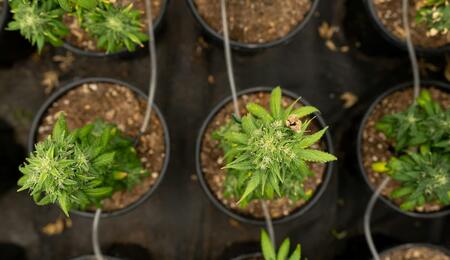
Overwatering is one of the most common mistakes beginner cannabis growers make.
For beginning growers, soil or soil-based substrate is one of the most forgiving media available. Soil naturally buffers nutrients and pH fluctuations, making it an accessible entry point compared to hydroponic or coco coir setups. However, improper watering is among the most common mistakes that limit plant development and reduce yields.
Investing in high-quality cannabis genetics while using low-quality potting soil with poor drainage or inadequate aeration can limit root development, increase the risk of nutrient imbalances, and ultimately reduce plant vigor. Starting with a balanced, purpose-formulated substrate can provide the baseline physical structure and nutrients needed for healthy growth.
Understanding Root Zone Dynamics: Air, Moisture, and Temperature
To irrigate effectively, it is important to understand the environment in which roots need to thrive. Healthy roots depend on several key factors:
- Soil Temperature: Keep substrate temperatures between 64°F and 73°F (18°C–23°C). Very cold irrigation water can temporarily slow root activity, while high temperatures reduce dissolved oxygen levels.
- pH and EC Levels: While soil buffers nutrients, maintaining an irrigation water pH between 6.0 and 6.5 ensures optimal nutrient availability. Monitoring Electrical Conductivity (EC) helps identify salt build-up over time.
- The Oxygen-Water Balance: Roots need oxygen just as much as they need water. Drenching the soil continuously will deprive roots of oxygen, potentially causing root rot and growth stagnation. Conversely, letting soil dry out completely can damage fine root hairs and also stun growth.
Don’t Overlook Water Quality
Even the best soil cannot fully compensate for poor-quality irrigation water. The mineral content and pH of your water source can influence nutrient availability and long-term soil health, making it worthwhile to understand what you’re giving to your cannabis plants.
If you’re using tap water, check whether it’s particularly hard or soft. Hard water contains higher levels of dissolved minerals, especially calcium and magnesium, which can gradually affect nutrient balance and soil pH. Some municipalities also disinfect drinking water with chlorine or chloramine. While small amounts are generally not harmful to established plants, high concentrations may impact beneficial microorganisms in living soil systems.
For growers using bottled nutrients, periodically measuring the pH and Electrical Conductivity (EC) of the irrigation water can help identify potential issues before they affect plant growth. If your tap water has consistently high mineral content or an unsuitable pH, using filtered or reverse osmosis (RO) water may provide greater control over your feeding program. However, RO water contains very few dissolved minerals, so calcium and magnesium often need to be supplemented.
Keep in mind that no two grows require the same watering schedule. Temperature, humidity, plant size, pot size, airflow, and growth stage all influence how quickly the substrate dries. Rather than watering every day or every few days, let the condition of the soil and the weight of the pot guide your decisions.
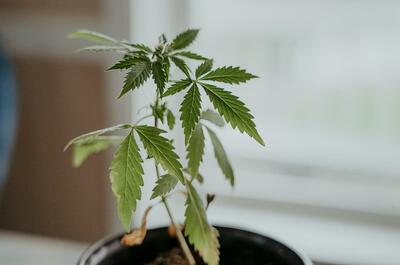
Healthy roots need both water and oxygen, therefore finding the right balance is key.
The Lift-the-Pot Method: How to Avoid Overwatering
Rather than following a rigid daily calendar, you can water your plants based on container weight and environmental demand:
- Gauge the Dry Weight: Feel the weight of a pot filled with dry soil before planting or immediately after transplanting.
- Water to Runoff: Water slowly until the entire root zone is evenly moistened. Many conventional soil growers aim for a small amount of runoff (around 10–15%) to ensure complete substrate saturation and prevent localized salt buildup.
- Lift Test: Lift the saturated pot to get a feel for its fully watered weight.
- Wait for the Dry-Back: Do not water again until the pot feels noticeably light when lifted.
Pro Tip: The top layer of soil can dry out quickly under intense LED or HID lighting while the core remains saturated. Always check pot weight or insert a finger 2 inches into the medium before adding water.
Substrate Aeration and Container Spacing
To improve drainage and root zone aeration, many growers consider adding perlite to the soil mix (typically 20–30% by volume). Perlite creates macropores that allow roots to breathe even shortly after a heavy watering cycle.
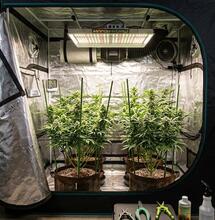
Another important practice is to avoid letting pots sit directly in stagnant runoff water inside your grow tent:
- Use plastic pot risers or drainage trays to elevate containers above runoff puddles.
- Avoid using materials like wood or untreated cardboard underneath pots, as they absorb moisture and harbor mold spores.
- Match plant size to container size: placing small seedlings directly into oversized containers increases the risk of soil remaining waterlogged for too long.
Final Thoughts
Successful cannabis irrigation isn’t necessarily about sticking to a rigid watering schedule; rather, it’s about understanding your plants and their environment. By paying attention to pot weight, root health, water quality, and the condition of your substrate, you’ll be able to make better watering decisions throughout every stage of growth. Over time, learning when not to water becomes just as important as knowing when to reach for the watering can.
Read more from Soft Secrets:
- Cannabis Terroir: Its Impact
- Overwatering is Common Enough. Here’s How to Avoid It.
- 5 Natural Nutrient Feeds to Stimulate Your Cultivation
Disclaimer: This article is intended strictly for educational and informational purposes. Growers must always comply with their local, state, and federal regulations regarding cannabis cultivation.
S
Soft Secrets