Cookies and Cream Auto: Strain Overview and Cultivation Guide

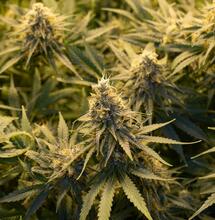
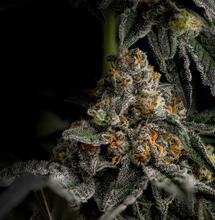
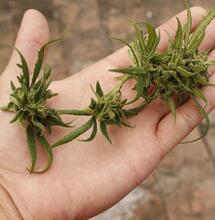
Cookies and Cream Auto inherits heavy resin production from its Starfighter parentage, coating buds in a dense layer of trichomes. Photo by Margo Amala on Unsplash
With the overwhelming popularity of Girl Scout Cookies crosses over the past many years, few autoflowering hybrids have captured the same balance of potency, flavor, and grower-friendly architecture as Cookies and Cream Auto. By pairing the iconic Cookie lineage with heavy-resin genetics and Ruderalis, this autoflowering strain delivers the signature sweet, doughy terpene profile of the original photo-period cut in a fast, low-maintenance variety.
Lineage, Terpene Profile, and Potency
Cookies and Cream’s original genetics stem from a cross between Girl Scout Cookies and Starfighter. The autoflowering version additionally contains Ruderalis genetics to enable a light-cycle-independent life cycle while preserving the core traits of its parentage:
- Starfighter Influence: Contributes heavy trichome density, creating thick, resin-drenched calyxes, while introducing subtle berry and earth undertones to the background.
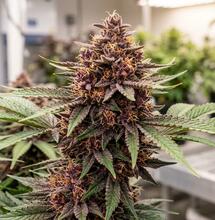
- Girl Scout Cookies Lineage: Delivers the primary terpene signature—sweet, creamy, and bakery-like—alongside distinctive late-stage purple and deep-green foliage transitions.
- Aroma & Flavor: Dominant notes of sweet cream, vanilla, and toasted nuts, backed by a pungent fuel and subtle fruit undertone on the exhale.
Cookies and Cream Auto yields a potent cannabinoid profile; well-cultivated samples frequently test in the 20% to 23% THC range.
Growth Characteristics and Morphology
One common challenge with photo-period Cookie strains is their tendency to stretch dramatically, resulting in long internodal spacing and tall, lanky plants. Cookies and Cream Auto generally exhibits a tighter, bushier structure that helps minimize excessive stretching.
Key Plant Features:
- Canopy & Structure: Produces strong lateral branching and a wider footprint. Its reduced internodal distance makes it ideal for indoor setups with vertical height constraints.
- Bud Structure: Heavy, chunky colas that crowd together as flowering progresses. Calyxes swell significantly in the final three weeks, typically producing dense, sticky flowers with minimal larf.
- Support: Tends to develop sturdy stems, though heavy colas may still benefit from a little support during late bloom. Minor canopy management (like light LST) should help optimize light distribution.
Cookies and Cream Auto: Life Cycle and Harvest Timeline
From seed to harvest, Cookies and Cream Auto progresses rapidly through distinct developmental phases over a 10 to 12-week lifecycle.
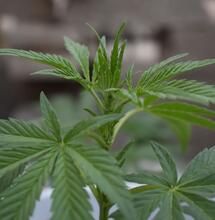
Vegetative Phase (Weeks 1–3): Rapid root expansion and lateral branching. The plant establishes narrow leaf blades early before widening into typical hybrid foliage.
Pre-Flowering (Weeks 4–5): Initial pistil development begins as the canopy fills out quickly and lateral shoots stretch into main cola sites.
Early Bloom (Weeks 6–8): Calyxes form rapidly and heavy trichome coverage begins spreading onto surrounding sugar leaves.
Late Bloom & Ripening (Weeks 9–10): Pistils turn deep orange to red, calyxes swell, and fan leaves display classic Cookie color shifts (deep greens and purples).
Harvest Window (Weeks 10–12): Cannabinoid synthesis typically reaches peak THC levels as terpenes ripen. The entire life cycle wraps up in roughly 70 to 85 days from germination.
Cultivation Tips for Indoors and Outdoors
- Indoor Gardens: Because of its wider footprint, simple Low-Stress Training (LST) early in vegetation should easily help create a uniform canopy, ensuring all top sites sit directly within optimal light intensity zones.
Multi-Season Outdoor Growing: Because autoflowers rely on age rather than daylight length to initiate bloom, Cookies and Cream Auto can be grown outdoors from late spring through early autumn in temperate climates—or year-round in frost-free, subtropical regions. For optimal yields and dense flower structure, schedule harvests during the sunniest months of mid-summer.
Pro Tip: Avoid heavy pruning or aggressive topped training. Autoflowers have a rigid biological clock and little time to recover from high-stress stunting. Stick to light Low-Stress Training (LST) and gentle leaf tucking during the first 3 to 4 weeks to maximize canopy exposure without slowing growth.
Read more from Soft Secrets:
- Girl Scout Cookies Cannabis Grow Guide
- Growing Purple Punch: How to Cultivate Massive, Clean Buds
- Tropicanna Banana Cannabis Strain Review
Disclaimer: This article is intended strictly for educational and informational purposes. Growers must always operate in compliance with their local, state, and federal regulations regarding cannabis production.
S
Soft Secrets