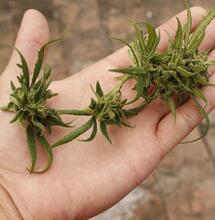
Why pH Matters in Cannabis Cultivation
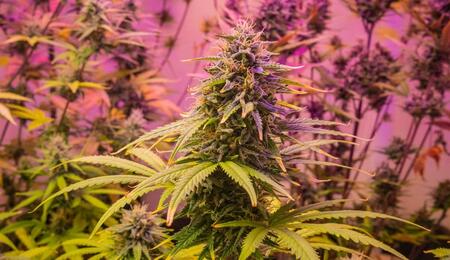
Investing in a digital pH meter is one of the simplest upgrades growers can make for fast, accurate readings and more consistent results.
A bit of science goes a long way in a cannabis garden. Understanding why monitoring and controlling pH levels is essential can make a major difference in plant health and nutrient uptake.
Considered one of the most widely discussed subjects among growers (and also one of the most frequently blamed factors when a grow starts to go wrong), pH plays a central role in plant health. But what does pH actually measure? Why is it important? And is it possible to grow without adjusting it at all? Read on to find the answers to these common gardening questions.
What is pH, and What Does Each Number on the Scale Mean?
Put simply, the pH scale measures how acidic or alkaline a solution is. More precisely, it reflects the activity of hydrogen ions in a solution compared to pure water. The term pH is commonly described as “potential hydrogen”.
The pH scale runs from 0 to 14, where:
- 7 is neutral (pure water is considered neutral)
- Below 7 is acidic
- Above 7 is alkaline (or “basic” in scientific terms)
Each step on the scale represents a tenfold change in acidity or alkalinity. This means:
- pH 6 is 10× more acidic than pH 7
- pH 5 is 100× more acidic than pH 7
- pH 4 is 1,000× more acidic than pH 7
This is known as a logarithmic scale, meaning even small changes in pH represent significant changes in acidity or alkalinity.
Why is pH Important When Growing Cannabis?
A simple way to put it: plants can only fully absorb nutrients when they are within an appropriate pH range.
When pH drifts outside the optimal window, nutrient availability changes. At lower pH levels, the uptake of elements such as phosphorus, calcium, and magnesium becomes restricted. At higher pH levels, micronutrients such as iron become less available.
However, nutrient availability is not strictly “on/off” — it shifts gradually across the scale depending on the element and growing medium.
Ideal pH ranges:
- Soil: ~6.0–7.0
- Coco / Hydroponics: ~5.5–6.5
Soil systems tend to be more stable due to buffering from organic matter, microbial activity, and cation exchange capacity. Hydroponic and coco systems fluctuate more quickly because they contain fewer natural buffering mechanisms.
How to Test pH
Testing pH is straightforward and essential for maintaining stable conditions.
The most reliable option is a digital pH meter, available at most grow shops. These provide fast numeric readings by inserting a probe directly into the nutrient solution. However, they require:
- Regular cleaning of the probe
- Periodic calibration (typically using pH 7.0 and pH 4.0 solutions)
More affordable alternatives include reagent test kits, which change color based on pH when a liquid sample is mixed with indicator drops. These are simple, inexpensive, and reasonably accurate for general use.
Litmus paper strips? These are generally imprecise for nutrient management and should be avoided for fine-tuning grow solutions.
How to Change the pH in Your Grow Room or Garden
If adjustments are needed, commercial pH control products are the most reliable method.
Lowering pH
Common “pH down” products typically use phosphoric acid. These not only reduce pH but also contribute a small amount of phosphorus, although their primary function is pH adjustment.
More advanced formulations may combine multiple acids to balance nutrient input and avoid excessive buildup of a single element.
Raising pH
“pH up” solutions are commonly based on potassium hydroxide, which increases alkalinity and adds potassium.
Another widely used option is potassium silicate, which raises pH while also contributing silicon — though it should be used carefully due to its strong alkalizing effect.
Natural Adjustments (Limited Reliability)
Some natural materials such as lime or crushed eggshells can raise pH over time, while substances like vinegar or lemon juice may temporarily lower it.
However, these methods are not stable or precise enough for controlled nutrient systems, especially in hydroponics or coco-based grows, where consistency is critical.
Do You Need to Keep pH Perfectly Stable?
Not necessarily.
In soil-based systems, slight pH fluctuations within the acceptable range are normal and often beneficial, as they allow different nutrients to become available at different times.
In hydroponic or coco systems, however, tighter control is important because the lack of strong buffering means pH can shift more quickly.
The key is consistency within range rather than attempting to lock pH to a single exact number. Constant over-adjustment can sometimes create more instability than minor natural drift.
Tips for Controlling pH
- Always check your tap water baseline pH before adding nutrients
- Mix nutrients fully before taking final pH readings, as most formulations will affect pH
- Be aware that different nutrient brands can shift pH up or down
- Temperature can influence readings slightly, but modern meters often include automatic temperature compensation
- Aim for consistency in testing conditions rather than chasing exact single-point values
Final thoughts
Maintaining pH is not about perfection — it’s about stability and range management. When kept within the correct window, plants can efficiently access the full spectrum of nutrients they need for healthy growth.
Understanding pH is one of the simplest scientific advantages a grower can use, and once it becomes routine, it removes much of the guesswork from plant nutrition management.
Read more from Soft Secrets:
Disclaimer: This information is for educational and gardening purposes only. Always follow your local and state regulations regarding cannabis cultivation.
S
Soft Secrets