The Woes of a Dusty Environment

In indoor cultivation, invisible problems often settle in plain sight—sometimes as simple as dust.
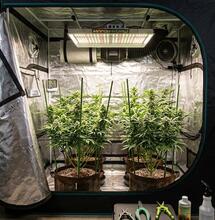
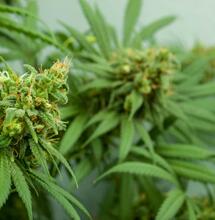
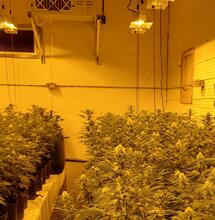
For indoor growers, the grow room is a carefully controlled sanctuary built around precision. Yet one often overlooked enemy can quietly compromise everything from light efficiency to the final taste of your harvest: dust. Understanding how a dusty environment affects cannabis plants—and how to maintain a clean, efficient grow space—is essential for consistent results.
One of the simplest ways to control dust is regular cleaning of the grow area (not the plants themselves). Using unperfumed soap, water, and a thick cloth, growers can wipe down surfaces, walls, and any gardening tools used throughout the grow. Small maintenance habits like these go a long way toward preventing larger problems later.
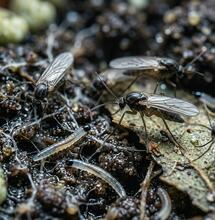
Keeping your growing area dust-free helps reduce the risk of mold and fungal development. It can also discourage insect infestations, as many insect eggs are light enough to travel through the air attached to dust particles.
Cleanliness also extends the lifespan of your equipment. Fans, pumps, and other grow-room machinery contain moving parts that gradually accumulate debris. Over time, dust buildup reduces efficiency and can eventually cause mechanical failure—something no grower wants in the middle of a cultivation cycle.
How Dust Impacts Light Intensity and Photosynthesis
The most immediate victim of a dusty environment is your lighting system. Dust particles settle on bulbs, reflectors, and LED diodes, creating a physical barrier that reduces the Photosynthetic Photon Flux Density (PPFD) reaching your canopy. Even a thin layer of grime can reduce light efficiency by 10% or more, potentially contributing to slower growth and reduced yields.
Furthermore, dust settling on the leaves themselves can clog the stomata (the tiny pores on the underside of leaves). This hinders the plant’s ability to “breathe” (transpiration) and absorb CO2, leading to slower growth and reduced vigor.
Contaminating the Resin: The “Sticky” Problem
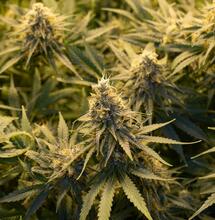
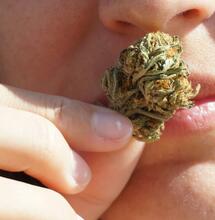
Cannabis produces trichomes—sticky resin glands—that act like a magnet for airborne particles. In a dusty grow room, these particles become permanently embedded in the flowers.
- Flavor Profile: Dust, fibers, and hair trapped in flowers may produce a harsh smoke and dull or musty flavors that mask the plant’s natural terpene expression.
- Health Risks: Dust frequently carries mold spores, bacteria, and allergens. For medical users especially, contaminated cannabis can present unnecessary health risks.
Strategies for a Dust-Free Grow Room
Maintaining a clean environment goes beyond occasional wiping and benefits from a layered prevention approach:
- High-Quality Intake Filtration: Avoid pulling air directly from dusty spaces such as basements or attics. Use HEPA filtration or a dedicated pre-filter on intake fans.
- Negative Pressure Management: Ensure exhaust airflow slightly exceeds intake airflow. This creates negative pressure, preventing unfiltered air from entering through gaps or door seals.
- The “Clean Room” Protocol: Change clothes before entering the grow space when possible. Pet hair and outdoor dust are often introduced by the grower themselves.
- Regular Equipment Maintenance: Power off equipment and wipe reflectors, fan blades, and surfaces between grow cycles to prevent buildup.
Conclusion
A clean grow room is a productive grow room. By treating dust as a genuine threat to plant health and harvest quality, growers protect lighting efficiency, reduce contamination risks, and ensure the final product reflects the full potential of its genetics.
Read more from Soft Secrets:
S
Soft Secrets