Germination: Start of the Outdoor Cycle
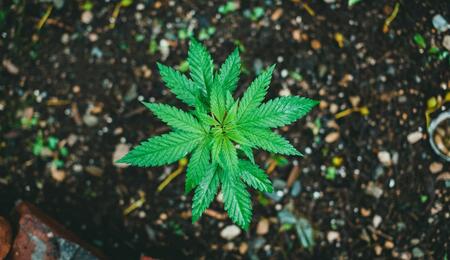
The spring of 2026 appears to be bringing a unique set of climatic conditions across the United States. With reports of shifting last frost dates following a mild winter in parts of the Atlantic Corridor and Southeast, alongside lingering cold in the Intermountain West, timing your germination is the most critical decision of the year.
Germination isn’t just about “popping” a seed; it is the strategic activation of genetics that will define your plant’s architecture, terpene potential, and final weight.
1. Timing the Spring Launch
Every year, the “Mother’s Day Rule” (mid-May) remains the safest bet for most of the Northern US, but growers in the south can see success as early as late March to early April.
The Golden Rule: Do not move plants outdoors until nighttime temperatures consistently stay above 55°F (13°C) and ideally closer to 60°F (15–16°C) for optimal early growth. If you germinate too early, you risk “premature flowering” as the young plants react to the long spring nights.
2. Professional Germination Methods
While nature plants directly in the soil, the high value of modern genetics (often $10–$20 per seed) justifies a more controlled approach.
The Paper Towel Method
This remains the most popular method for its high visibility and success rate.
- The Setup: Place seeds between two damp (not dripping) paper towels.
- The Environment: Sandwich the towels between two plates to maintain darkness and humidity.
- Temperature: Maintain a steady 72°–78°F (22°–26°C). A seedling heat mat is highly recommended if your house is cool.
- The Transition: Once the white taproot reaches roughly 0.5 inches (1 cm), it is ready for its first medium.
Direct Sowing (The “KISS” Method)
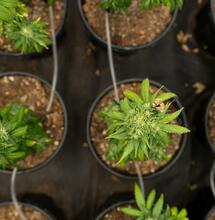
Experienced outdoor growers often prefer planting directly into a “starter pot” to avoid transplant shock.
- Use a light, unfertilized seed-starting mix.
- Plant the seed 0.5 inches (1 cm) deep.
- Keep the soil moist using a spray bottle to avoid washing the seed deeper into the pot.
3. The Critical “Hardening Off” Phase
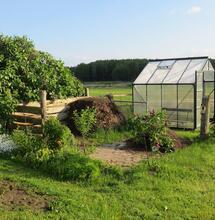
Outdoor germination usually happens indoors or in a greenhouse to protect the fragile sprouts from erratic spring weather. Before plants live outside permanently, they must be “hardened off.”
- Day 1-3: Move seedlings to a shaded outdoor spot for 2 hours, then bring them back inside.
- Day 4-7: Gradually increase sun exposure and time spent outdoors.
- Day 10: If the nighttime temperatures remain warm enough, they are ready for their permanent home in the ground or large fabric pots.
4. Troubleshooting Early Growth
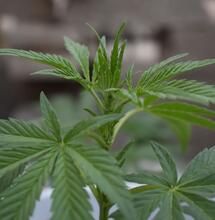
- Spindly/Leggy Stems: This is a sign of light deprivation. Move your seedlings closer to your indoor light or into a brighter greenhouse immediately.
- Damping Off: A fungal disease caused by cold, wet soil. Ensure your pots have drainage and the air isn’t stagnant.
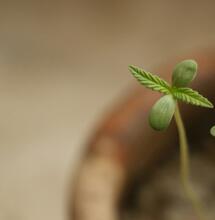
- Shell Stuck on Seedling: If the seed casing doesn’t fall off the first leaves (cotyledons), mist it lightly with water to soften it—but do not pull it off forcefully.
Read more from Soft Secrets:
S
Stephen Andrews