Outdoor Seedling Care: Navigating the Critical First 3 Weeks
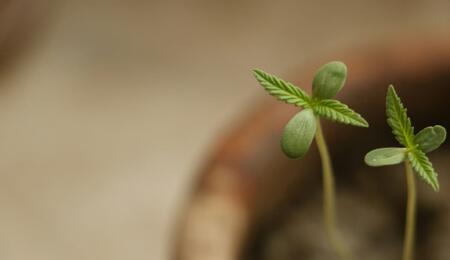
The success of your outdoor harvest is decided long before the first flower appears. The “Seedling Phase”—the period from the first set of true leaves until the plant has three to four nodes—is the most vulnerable time in the plant’s life cycle. Moving a plant from a stable indoor environment to the unpredictable “Wild West” of the outdoors requires more than just a sunny spot; it requires a critical Hardening Off process.
1. The Threat of “Damping Off”
Erratic rainfall patterns typical for early spring periods can increase the risk of Pythium and Fusarium, the soilborne pathogens responsible for Damping Off.
- The Symptom: The seedling’s stem becomes thin and constricted at the soil line, causing the plant to tip over and die overnight.
- The Fix: Use a highly aerated seedling mix (30% perlite). Avoid overwatering; only water when the top layer of soil (the first inch) begins to dry.
2. Hardening Off: The 7-Day Protocol
You cannot move a seedling from a windowsill directly into 10 hours of direct March/April sun. Sudden exposure to full sunlight can bleach or scorch leaves (photo-oxidative stress) and kill the plant.
- Days 1-2: Place the seedlings in a shaded, sheltered outdoor area for only 2 hours during the warmest part of the day. Bring them back inside.
- Days 3-4: Increase outdoor time to 4-6 hours, allowing for 1 hour of “dappled” or indirect sunlight.
- Days 5-6: Keep the plants outside all day in a sunny spot, but bring them in at night if temperatures drop below 55°F (13°C).
- Day 7: If the forecast is clear, the plants are ready to be permanently transplanted into their final outdoor containers or beds.
3. Managing Spring UV and Wind
Modern LED-grown seedlings often have “soft” stems. Outdoor wind acts as a natural “gym” for your plants, strengthening the cellular walls of the stalk.
- Wind Protection: If the wind exceeds 15 mph (24 kph), provide a temporary windbreak. A slight jiggle is good for strengthening; a sustained bend is dangerous.
- UV Protection: If leaves show white or silver “burn” spots, your plants are getting too much UV too fast. Move them back to a shaded area immediately.
4. Soil Prep: The “Biological Shield”
When transplanting your hardened seedlings, don’t just use standard potting soil.
- Microbial Inoculants: Apply Mycorrhizae directly to the root ball during transplant. This symbiotic fungus extends the plant’s root network through microscopic filaments, helping the plant improve water and nutrients uptake.
- pH Check: Ensure your outdoor soil pH is between 6.0 and 6.5. Higher pH levels can reduce the availability of several key nutrients, including iron and phosphorus, which are important for early vegetative growth.
Read more from Soft Secrets:
S
Stephen Andrews