Priming Cannabis Immunity With Living Soil

Spring nutrients like microbial inoculants and chitin aren’t just about feeding the plant—they can also help strengthen its immune response against pests.
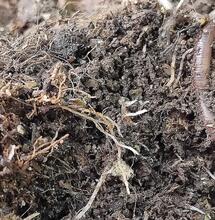
By leveraging living soil, cannabis growers can trigger natural immunity through metabolic signaling, reducing the need for external pest control while increasing the production of secondary metabolites. This article explores the transition from simply feeding a plant to priming its internal biological systems.
What is a Metabolic Boost in Living Soil?
In a traditional hydroponic or salt-based setup, the goal is often to provide the maximum amount of “available” nutrients to drive rapid growth. In a living soil system, the approach shifts toward plant health and metabolic efficiency.
A metabolic boost refers to the activation of the plant’s internal defense pathways, specifically Systemic Acquired Resistance (SAR) and Induced Systemic Resistance (ISR). When the soil environment is biologically active, the plant receives constant chemical signals from the root zone. These signals encourage cannabis to thicken its cell walls and potentially increase the production of terpenes and flavonoids, which act as a natural “immune system” before a pathogen even arrives.
The Chitin Connection: Turning Nutrition into Armor
One of the most effective ways to trigger a metabolic boost in cannabis plants is through the introduction of chitin. Chitin is a fibrous substance found in the exoskeletons of insects and the shells of crustaceans.
How Cannabis Plants Respond to Chitin
When chitin is present in the soil, the plant detects it through specialized receptors. Because chitin is a primary component of many pests and fungal cell walls, the plant “assumes” it is under attack.
In response, the plant produces an enzyme called chitinase. This enzyme circulates through the plant’s vascular system, ready to dissolve the cell walls of encroaching fungal pathogens like Fusarium or Botrytis. The defense signaling may also influence secondary metabolite production, including resin-associated compounds.
Recommended Amendments
To introduce this “pest signal” without an actual infestation, gardeners can use:
- Insect Frass: The waste products of insects, naturally high in chitin and beneficial microbes.
- Crab or Shrimp Meal: Slow-release sources of chitin that also provide calcium and nitrogen.

Plants recognize chitin fragments as MAMPs/PAMPs (microbe/pathogen-associated molecular patterns), which activate defense signaling.
Soil Microbes: The Communication Network
Living soil relies on a symbiotic relationship between roots and microbes. This isn’t just about nutrient uptake; it’s about information exchange.
Mycorrhizae and Trichoderma
Beneficial fungi like Mycorrhizae extend the reach of the root system, but they also act as a physical guard. Trichoderma, specifically, is a predatory fungus that “hunts” harmful soil pathogens. Its presence keeps the plant’s immune system in a state of “high alert” (ISR), making it much harder for root rot or wilt to take hold.
Rhizobacteria (PGPR)
Plant Growth-Promoting Rhizobacteria (PGPR) live on the surface of the roots. They produce hormones that help the plant manage stress—whether from heat, transplanting, or pests. Think of them as a biological “vaccine” that maintains the plant’s metabolic momentum.
Mineral Balancing for Pest Deterrence
Aphids, spider mites, and whiteflies often proliferate more readily on plants experiencing metabolic stress, where impaired nutrient assimilation can lead to an accumulation of free amino acids and simple sugars within the plant sap (phloem).
The Role of Silica
Silica is not often classified as an essential nutrient, but in living soil, it is a game-changer. Once absorbed, it is deposited in the cell walls, creating a literal “glass” barrier. This makes the leaf tissue physically difficult for insects to pierce and protects against fungal penetration.
Calcium and Boron
Proper calcium levels, supported by boron for mobility, ensure strong cell structure and efficient sap flow. A plant with high “sap pressure” and complexed sugars is much less attractive to sucking pests, which prefer the “weak” sap of stressed, nutrient-imbalanced plants.
Spring Protocol: Step-by-Step Implementation
To implement a metabolic boost for your next cycle, follow this simple timeline:
- Soil Prep (2-4 weeks before planting): Amend your base soil with insect frass and high-quality compost or worm castings. This allows the microbial population to stabilize.
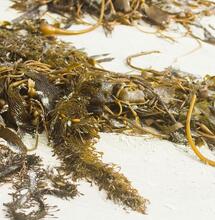
- Early Veg: Apply a diluted compost tea or a kelp-based foliar spray. Kelp contains cytokinins that encourage cell division and metabolic activity.
- Mid Veg: Re-top dress with a small amount of crustacean meal. This ensures the “chitin signal” remains active as the plant enters its most rapid growth phase.
A Final Word on Prevention
While biological priming significantly increases a plant’s resilience, it is not a “magic shield.” Maintaining a clean grow environment, proper airflow, and consistent humidity levels (IPM) remains essential. By focusing on soil health and metabolic signaling, you are simply giving the plant the tools it needs to defend itself, just as it would in a natural, high-functioning ecosystem.
Read more from Soft Secrets:
Disclaimer: This information is for educational and gardening purposes only. Always follow your local and state regulations regarding cannabis cultivation.
S
Stephen Andrews