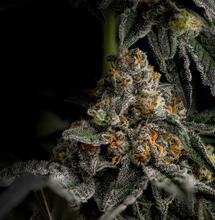
Final Steps Before the Flowering Flip

What looks like a calm transition is actually the fastest growth phase of the plant’s life.
The final two weeks of the vegetative cycle are the most underrated period in a plant’s life. This is the window where you move from growing a plant to building a foundation for heavy colas. Precision at this stage is the difference between a mediocre flip and an abundant harvest, especially if you are working with LED setups and organic living soil. So, what can you do in the last days of vegetation to maximize the potential of your cannabis plants?
The Stretch Factor
Flipping to flower changes more than output—it alters the plant’s growth pattern. How your canopy evolves from here depends heavily on the cultivar.
- Know Your Genetics: Different cultivars stretch at different rates once the light cycle flips. Indica-dominant plants may expand by 1.5x their height, while sativa-leaning varieties can double or even triple in size during the first 2–3 weeks of flower.
- Why It Matters: This stretch will define your final canopy height and structure. Flipping too late can lead to overcrowding, light burn, or airflow issues, especially in tent or indoor setups with limited vertical space.
Final Structural Training
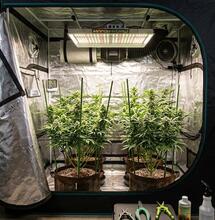
Aim for a flat, even canopy to maximize light distribution during flower. In the final weeks of veg, your LST (Low Stress Training) or SCROG (Screen of Green) should be nearly complete.
- The 75% Rule: If using a screen, ensure it is 75% full before flipping. The stretch in the first 2-3 weeks of flower will fill the rest.
- Super Cropping: If certain branches are dominating the canopy, perform a gentle super-crop (softening the inner tissue to bend the branch) now. Doing this in flower can be too stressful, and for cultivars with sensitive genetics it can increase the risk of hermaphroditic traits.
- Recovery Window: Allow 3–7 days of recovery after major training or defoliation before switching to flower.
Strategic Defoliation
Clear out the bottom third of the plant. This is often called lollipopping.
- Why: Lower growth receives minimal usable light and is typically inefficient compared to top canopy sites.
- Airflow: Removing it improves airflow, reducing the risk of Powdery Mildew (PM), which is a major concern in humid coastal states.
- Plant Health: Use sterilized shears to prevent the spread of pathogens.
Root Zone Health
What happens below the canopy is just as important as what happens above it, especially in living soil systems.
- Avoid Overwatering: At the end of veg, resist the urge to keep the medium constantly saturated. Slight dry-back cycles encourage root expansion and oxygen exchange, both of which are critical before the plant enters its most demanding growth phase.
- Microbial Activity: Healthy soil biology drives nutrient availability. Beneficial microbes break down organic matter into plant-available forms, supporting a smoother transition into flower without the need for sudden nutrient corrections.
- Pre-Flip Stability: A balanced root zone, moist but well-aerated, biologically active, and free from stress, sets the stage for vigorous stretch and consistent early bud development.
Nutritional Pivot
Vegetative phase is all about Nitrogen (N), the plant’s metabolism begins to shift before the first white hairs (pistils) appear.
- Reducing N: Taper off heavy Nitrogen 3-5 days before the flip to prevent “The Claw” (nutrient toxicity) during the transition.
- The Silicon Boost: While this is not an essential nutrient, it can be particularly useful during pre-flower. Silica supplementation can help strengthen cell walls, helping the stretch branches support the upcoming weight of the buds.
Environment and VPD
In the final weeks of veg, your Vapor Pressure Deficit (VPD) should be tightened.
- Target: Aim for a VPD of 0.8 to 1.1 kPa.
- Light Intensity: If using adjustable LEDs, gradually increase intensity to harden the leaves for the high-PAR environment of the flowering stage.
Conclusion
Finally, before making the flip, take a moment to lock in your environment. Ensure your flowering space is completely light-tight, as any interruptions to the 12/12 cycle can stress plants and disrupt development. At the same time, inspect your canopy thoroughly for pests and disease. Once flowering begins, your ability to intervene becomes limited, making this final check one of the most important steps before transition.
Read more from Soft Secrets:
Disclaimer: This article is for educational and journalistic purposes only. Laws surrounding cannabis cultivation vary widely, so be sure to follow all local regulations regarding home growing in your area.
S
Stephen Andrews