Spring Soil Preparation for Outdoor Cannabis
As winter loosens its grip and daylight hours begin to stretch, outdoor growers know the season starts long before the first cannabis seed touches the soil. The real work begins beneath the surface. Spring soil preparation is the foundation of any successful outdoor cannabis grow, shaping everything from root development to final yield.
Across the United States, climates vary dramatically—from the misty hills of Northern California’s Emerald Triangle to the humid summers of the East Coast—but one principle remains constant: healthy soil produces resilient plants. Whether you’re growing directly in the ground or working with raised beds, spring offers the perfect window to create a balanced, living soil ecosystem capable of supporting cannabis through the demanding months ahead.
Step 1: Start with a Spring Soil Test
Before adding compost or fertilizers, it’s worth understanding exactly what your soil already contains. A soil test—ideally taken once soil temperatures rise to around 40°F (4°C) and the ground is workable—provides essential baseline information.
A proper test typically reveals:
pH Levels: Cannabis generally prefers slightly acidic soil, typically in the 6.0–7.0 range, where most nutrients remain available to plant roots.
Nutrient Balance: Measuring levels of Nitrogen (N), Phosphorus (P), and Potassium (K) helps identify deficiencies or excesses that could lead to nutrient lockout later in the season.
Potential Contaminants: For growers pursuing organic standards, testing can also detect heavy metals or lingering pesticide residues that may compromise plant health or final product quality.
Knowing your starting point allows you to correct imbalances early instead of reacting mid-season.
Step 2: Improve Soil Texture and Drainage
One of cannabis’ least favorite conditions is waterlogged soil—often referred to by growers as giving plants “wet feet.” Roots require oxygen as much as water, making proper soil structure critical.
The ideal outdoor medium is loamy soil, a balanced mix of sand, silt, and clay that retains moisture while allowing excess water to drain away.
If your native soil needs adjustment:
Clay-heavy soils: Mixing in materials like perlite, coarse compost, or gypsum can help loosen compacted soil and improve aeration.
Sandy soils: Adding rich organic matter, compost, or well-aged manure helps increase moisture retention and nutrient availability.
Over time, these adjustments create a soil structure that supports vigorous root expansion.
Step 3: Strengthen Soil with Organic Amendments
Many experienced growers approach spring soil preparation with a simple philosophy: feed the soil so the soil can feed the plant.
Instead of relying entirely on fast-acting synthetic fertilizers, organic amendments gradually release nutrients while supporting microbial life.
Common additions include:
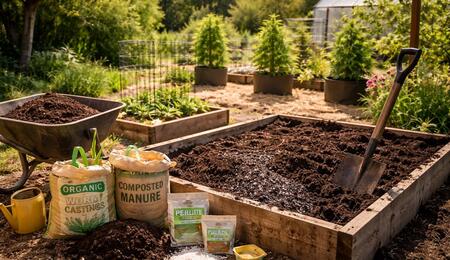
Worm Castings: Often considered a premium organic amendment, they supply gentle nitrogen along with beneficial microbes.
Composted Manure: Properly aged horse or sheep manure can provide a broad nutrient base when incorporated into garden beds before planting.
Bat Guano: Valued for its phosphorus content, guano can support root development and later flowering stages when used in moderation.
Mycorrhizal Fungi: These beneficial fungi form symbiotic relationships with plant roots, often improving nutrient access and helping plants tolerate environmental stress.
Together, these amendments contribute to a biologically active soil environment where cannabis can thrive naturally.
Step 4: Raised Beds vs. Planting in Native Soil
Not every grow site starts with ideal soil conditions. In areas where the native soil drains poorly or lacks fertility, raised beds can be a practical solution.
Raised beds offer several advantages:
- They warm more quickly in spring, encouraging earlier root activity
- Growers gain greater control over the soil mix
- Beds reduce soil compaction from foot traffic
For outdoor cannabis, a raised bed depth of 12 to 20 inches (30–50 cm) generally provides sufficient space for root development while still allowing plants to access underlying soil layers.
Step 5: Early Weed Control and Mulching
Spring preparation also means getting ahead of weeds before they compete with young cannabis plants.
One simple technique is the newspaper method: layering several sheets of non-glossy newspaper beneath compost or soil to block sunlight and suppress weed growth naturally.
Once plants are established, mulching becomes an essential finishing step. A thick layer of straw, leaves, or wood chips helps:
- stabilize soil temperature
- reduce moisture loss
- limit new weed growth
- support beneficial soil organisms
Mulch also slowly breaks down over time, adding additional organic matter to the soil.
Conclusion
Great outdoor cannabis harvests rarely happen by accident. They begin with thoughtful spring soil preparation that prioritizes drainage, balanced pH levels, and a thriving biological environment.
By testing soil early, improving texture, adding organic amendments, and protecting the surface with mulch, growers build a stable foundation that supports plants throughout the growing season. When autumn arrives, the results often speak for themselves: vigorous plants, aromatic flowers, and harvests that fully express the potential of their genetics.
Read more from Soft Secrets:
S
Soft Secrets