How to Grow Blueberry Cannabis and Get the Best Yield Outdoor?

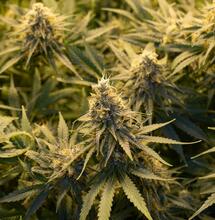
Blueberry’s trademark sweetness comes from a rare combo of terpenes, including myrcene, pinene, and humulene, which gives some phenos a dessert-like berry aroma that’s hard to fake.
The Blueberry cannabis strain is what happens when sweetness, calm, and pure relaxation collide in one legendary flower. Few strains deliver such a smooth, mellow high—and even fewer are this beginner-friendly in the garden. If you’re ready to grow one of the most iconic and easygoing cultivars out there, here’s everything you need to know to raise your own Blueberry cannabis plants.
What is Blueberry Cannabis and Why Cultivate This Legendary Strain?
Blueberry is more than just a famous name; it is one of the foundational classic cannabis strains, celebrated for its robust genetics, incredible resilience, and uniquely sweet, fruity aroma. It is a highly sought-after strain for both consumers and cultivators globally, offering a potent Indica-dominant experience that provides deep relaxation and euphoria.
Its lineage, traced back to the legendary breeder DJ Short in the late 1970s, is a complex masterpiece, blending Afghani Indica with Thai and Oaxacan Sativa landrace genetics. This blend results in a plant that carries the best of both worlds: the compact, heavy-yielding structure of an Indica, combined with the vibrant colors and distinctive aromas of its Sativa heritage.
Blueberry Cannabis Strain: Key Facts & Cultivation Metrics
- Genetic Lineage: The original indica-dominant hybrid created by DJ Short blends Afghani indica with Thai sativa landrace genetics.
- Hybrids: Blueberry’s classic genetics have served as the foundation for countless modern favorites—including Blue Dream, Blue Cheese, and Blue Cookies.
- Lifestyle & Effect: Offers a potent, relaxing high without the immediate “couch-lock,” allowing for a slightly trippy, functional effect.
- Potential Uses: Users often report its potential use for easing anxiety, neuropathic pain, lower back pain, migraines, appetite loss, and restlessness.
- Grow Difficulty: Considered relatively easy to grow. It is highly resilient, making it ideal for beginner outdoor cultivators.
- Flowering Time: An early finisher, typically requiring only 45 to 60 days of flowering.
- Yield Potential: Moderate to high. Outdoor cultivation can produce up to 25 ounces of finished buds per plant under optimal conditions.
- Average THC: Potent, ranging from 15% to 24%.
- Climate Resilience: Highly resilient to cold compared to many other strains. Thrives best with good hours of sunshine.
- Smell and Flavor: It’s a defining feature. Genuinely sweet, fruity, and dominated by the distinct taste and aroma of fresh blueberries.
Why Cultivate Blueberry Outdoors? Blueberry Cannabis is exceptionally well-suited for outdoor cultivation because of its Indica-dominant resilience. It can withstand cooler night temperatures later in the season better than many pure Sativa strains, making it a reliable choice for gardens in temperate climates. For the outdoor grower, it offers:
- High Yield Potential: When grown properly, the plant develops thick, dense main colas.
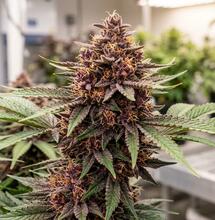
- Unique Bag Appeal: Its signature blue/purple hues, often triggered by cooler nighttime temperatures, make the final buds visually stunning.
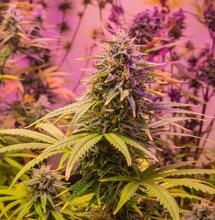
- Aromatic Quality: The unmistakable fresh blueberry and earthy pine scents are maximized when the plant is allowed to mature under natural sunlight.
Pay extra attention when the flowering time begins. Be mindful of the plant’s nutrient uptake, and consider training your plants if you want a more successful end result. Keep scrolling to get expert tips on how to grow buddalicious Blueberry cannabis plants.
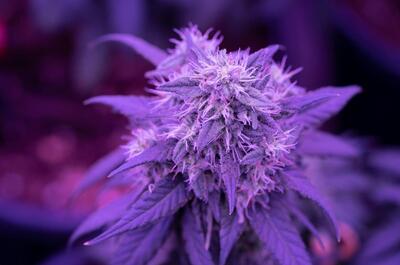
Some growers swear the strain’s colors shift more dramatically with cool nights, meaning a slight drop in temperature can bring out those deep purples and blue hues Blueberry is famous for.
The Basics of Blueberry Marijuana Cultivation
Mastering the cultivation of Blueberry Marijuana requires attention to a few key parameters that ensure the plant reaches its full potential. While hardy, this strain thrives when given the right foundational care.
Climate Requirements for the Outdoor Blueberry Plant
Blueberry generally prefers a Mediterranean or temperate climate. The strain tolerates a wider range of daytime temperatures between 65°F and 80°F (18.5°C to 26°C).
- Vulnerability: It is most vulnerable to mold and mildew during the final weeks of flowering due to the density of its buds. Good air circulation and protection from heavy, late-season rainfall are critical.
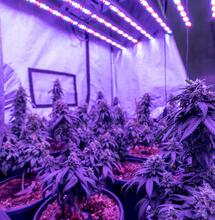
- Coloration: To see those beautiful purple and blue colors in the final buds, the plant needs a calculated temperature drop at night during the final four weeks of the flowering cycle, often around 55°F to 60°F (13°C and 16°C)
Selecting the Right Soil Medium for a Thriving Cannabis Plant
For outdoor cannabis cultivation, the quality of the soil is paramount. Blueberry flourishes in a rich, organic soil that is well-draining but capable of retaining some moisture.
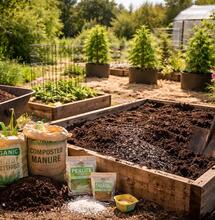
- Expert Tip: Amend your native soil early in the season with high-quality compost, worm castings, and perlite or coco coir to improve aeration and drainage. This prepares the ground to support a massive, high-yielding plant.
- pH Range: Aim for a slightly acidic to neutral pH range of 6.0 to 6.8 for optimal nutrient uptake. This is standard for robust Marijuana cultivation.
Outdoor Cultivation: Site Selection and Protecting Your Blueberry Cannabis Plants
Successful outdoor cultivation is fundamentally about maximizing light and minimizing risk.
Ideal Site Selection: Choose a location that receives a minimum of 6–8 hours of direct, unobstructed sunlight per day, ideally facing south (in the Northern Hemisphere). A protected corner that minimizes wind damage but still allows for passive air movement is ideal for protecting the developing buds.
Pest Management for Blueberry Cannabis Plants: While Blueberry is generally a strong plant, its compact structure can make it susceptible to spider mites and bud rot (botrytis) late in the season.
- Prevention: Maintain a clean garden. Use beneficial insects (like ladybugs) or preventative foliar sprays (such as neem oil, used only during the vegetative phase).
- Monitoring: Closely monitor the interior of the dense buds as they swell in late summer, especially after any rainfall. Immediate removal of any affected area is essential to save the rest of the Marijuana harvest.
Training Techniques for Maximum Blueberry Buds: Topping and SoG
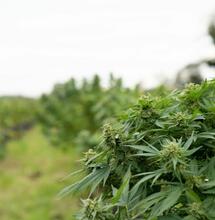
Due to its Indica dominance, the Blueberry Cannabis plant naturally wants to form one large main cola. For outdoor cultivation, where growers are looking for the absolute best yield, we must intervene to create multiple high-quality buds.
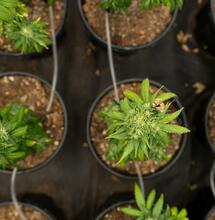
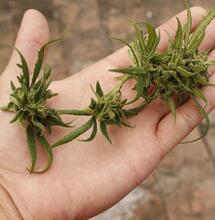
Topping for Lateral Growth: The most effective training method is topping. When the plant has developed 5–7 true nodes, cut the main stem just above the 5th node. This forces the plant to redirect growth hormones, resulting in two or more main stems rather than one. This creates a dense, bushy cannabis structure that can support dozens of heavy colas instead of one.
Low-Stress Training (LST): Complement topping by gently bending and tying down the new main branches away from the center of the plant. This exposes the lower bud sites to more direct sunlight, leading to more uniform, massive buds throughout the canopy. The goal is to maximize the surface area exposed to the sun—the engine for producing THC and heavy flowers.
Nutrients for Robust Blueberry Cannabis Plants: Vegetative & Flowering Cycles
Feeding your Blueberry plant correctly is the difference between an average harvest and maximizing your total yield of Marijuana buds.
Nitrogen, the Fuel for Vegetative Growth in the Young Cannabis Plant
During the vegetative phase (early spring to mid-summer), your young cannabis plant needs a high-Nitrogen (N) feed. Nitrogen is essential for producing the green foliage required for photosynthesis. Use a balanced N-P-K (Nitrogen-Phosphorus-Potassium) ratio that favors N (e.g., 3-1-2). This stage builds the plant’s structural strength needed to hold the massive buds later in the season.
The Importance of Phosphorous and Potassium for Dense Bud Production
As the plant transitions into the pre-flowering and flowering stages (late summer), the nutrient focus must shift appropriately.
- Phosphorus (P): Critical for energy transfer and metabolic functions directly related to flower development.
- Potassium (K): Essential for water regulation, plant health, and the overall density and weight of the final buds.
Switch to a “Bloom” formula that is low in Nitrogen and high in Phosphorus and Potassium (e.g., 1-3-4). This nutrient regimen tells the plant to stop focusing on green growth and pour all its energy into developing potent, large Marijuana buds.
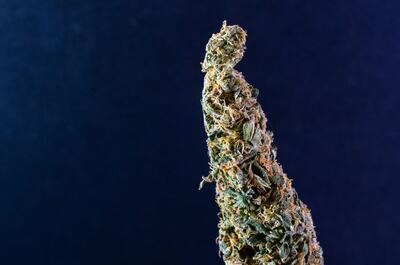
Blueberry’s genetic line is so stable that even modern breeders use it as a “flavor anchor” when creating fruit-forward hybrids, because its aroma tends to shine through even when crossed with more dominant strains.
Harvesting and Curing Your Blueberry Buds for Peak Quality
The final stages of cultivation—harvesting and curing—are where the distinctive flavor and potency of Blueberry cannabis are finalized. Rushing this stage sacrifices months of hard work.
When to Harvest (The Trichome Check): The only true way to know the correct harvest window is by examining the trichomes (the small, crystal-like glands on the buds) using a jeweler’s loupe or a digital microscope.
- Too Early (Clear): Low potency, underdeveloped flavor.
- Peak Harvest (Mostly Milky/Cloudy): Highest THC content and a more balanced high.
- Too Late (Amber): The THC has begun to degrade into CBN, resulting in a heavier, more narcotic effect.
The ideal harvest time for most outdoor growers of Blueberry cannabis is when 70% of the trichomes are cloudy and 30% are amber.
Curing & Unlocking the Blueberry Flavor: After the buds have been dried slowly for 7–10 days in a cool, dark environment (aiming for 60°F and 60% humidity), they must be cured.
- Place the dried buds into airtight glass jars, filling them about three-quarters full.
- “Burp” (open) the jars for 15–30 minutes twice a day for the first week, and once a day for the following two weeks.
- Curing for a minimum of 4–6 weeks is necessary to break down residual chlorophyll and bring out the famous, sweet blueberry terpene profile, resulting in the highest-quality finished Marijuana product.
Frequently Asked Questions about Blueberry Cannabis Cultivation
Q: Is Blueberry Cannabis hard to grow for a beginner? A: No, Blueberry is known for being relatively forgiving and resilient, making it an excellent choice for beginner outdoor cultivation. It can tolerate a wider temperature range than many other marijuana plants.
Q: What is the biggest mistake when growing Blueberry outdoors? A: The biggest mistake is failing to top or train the plant. Blueberry tends to grow tall and spindly, which reduces final yield. Cultivating a short, bushy shrub is key to maximizing the size and density of your final buds.
Q: How long does it take for Blueberry plants to flower outdoors? A: Once flowering is triggered by the shorter days of autumn, the flowering cycle typically lasts between 45 and 60 days (6–8 weeks). The final harvest is usually in late September to mid-October, depending on your local climate.
Q: What kind of yield can I expect from an outdoor Blueberry Marijuana plant? A: With optimized cultivation techniques, solid space for growing, and exposure to plenty of sunlight, an outdoor Blueberry plant can yield up to 25 ounces or more of finished cannabis buds.
Also read on Soft Secrets:
- Cannabis Terroir: Its Impact
- What’s the Best Time to Grow Cannabis?
- Different Types of Natural Fertilizers for Cannabis Plants
Last updated December 2, 2025
S
Soft Secrets