Why Water Quality Is So Important When Growing Cannabis
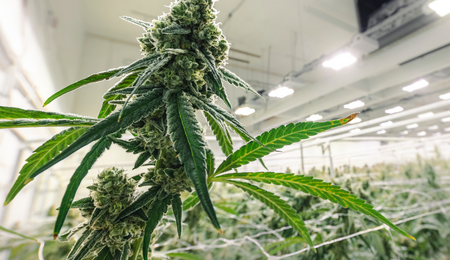
We know that when growing cannabis, we need light, nutrients, carbon dioxide and water. If you are new to growing weed at home, you may not be familiar with which water source is best for watering your crops.
In this article, I explain the different types of water, how plants use water, and cover electrical conductivity (EC) and potential hydrogen (pH), and the signs your water may not be ideal for feeding your plants. By the end of this article, you will know all there is to know about water quality and growing cannabis.
What does water quality mean?
All you have to do is turn on your tap, and you get as much water as you want. The water may seem perfectly fine, you make nutrient solutions, and the plants are healthy and thriving. There are actually different types of water, such as soft and hard water, both of which range in quality and are optimal for cannabis plants, as covered below.
Soft water
When water is classed as soft, it means the water source has a low EC level and a smooth taste. Bottled water is a perfect example of soft water with low mineral content, and water dispensers found in offices, doctors' offices, dentists' offices, or gyms are also soft. The home you live in may have access to soft water, depending on where you live.
- The EC level of soft water is below 0.4 mS/cm (or 400 µS/cm)
- The pH level will range between 6.0 and 7.0
- Only 15% of homes in the USA have soft water
- It has a low calcium and magnesium content
- This is the best type of water for cannabis plants
Hard water
It may sound strange to call water hard, but it actually refers to the mineral content. Hard water contains far greater minerals due to the fact that it percolates through rocks and picks up deposits of limestone, chalk, gypsum, calcium and magnesium. Drinking hard water can leave a slightly bitter, metallic taste. It will have a much higher EC than soft water, making it more challenging to determine the correct EC for the nutrient solution.
- The EC level of hardwater is above 0.8 mS/cm (or 800 µS/cm)
- The pH level will start at 8.0 and is alkaline-rich
- Hard water is mineral-rich
- Hard water easily creates limescale buildup
Reverse osmosis water
When the water source you are using is high in minerals or not the cleanest, you can filter it with a reverse osmosis pump. R/O filters work by applying pressure and a semi-permeable membrane to remove contaminants from water. These contaminants include salts, chemicals, bacteria, and viruses. During this process, calcium, magnesium, potassium and trace minerals are stripped away.
- Reverse osmosis water produces an EC level of 0.8 mS/cm
- Calcium and magnesium need to be added back into R/O water
- R/O water allows a grower to start with the lowest EC level possible
- Using a reverse osmosis filter removes heavy metals and contaminants
Rainwater
Rainwater is free; it can be easily collected and stored. Depending on where you live, you may experience more rainfall than others. You need to be careful when collecting rainwater for watering your plants. Rainwater is considered a soft, chlorine-free alternative to buying water or taking the time to filter it with a reverse osmosis pump. It draws nitrogen from the atmosphere, making it a nutrient-rich water source.
- Rainwater is free and can be stored away for long periods of time
- Some rainwater may contain heavy metals or pollutants
- Algae and bacteria can grow in the water if it is not stored properly
- Depending on where you live, rainwater may be acidic and bad for the soil
- Using an R/O filter on rainwater will produce the best water quality
How do cannabis plants use water?
It does not matter if you are growing indoor, outdoor, photoperiod or autoflowering cannabis plants, using seeds or clones. Cannabis plants are heavily dependant on water, as highlighted below.
- Cannabis plants are made up mostly of water
- Water transports nutrients into the soil and to the roots.
- Water is a key component of photosynthesis
- Plants use water to transpire and regulate their temperature
- When water passes through the pot, it creates an oxygen exchange
- Cannabis plants rely on water and vapour for stomata function
Why is the EC level of the water important
You may think that only hydroponic growers need to be fussed about the EC of their water, but electric conductivity plays a major role in creating a balanced cannabis nutrient solution. EC is expressed as milliSiemens per centimetre (mS/cm) and is an indicator of how much salt content resides in the water.
When making a nutrient solution, ideally, you want the starting EC level to be as low as possible. The reason is to give you more room to add a range of liquid nutrients or salts without exceeding the required EC level.
- Seedling stage using soil = 0.5 - 1.2 mS/cm
- Vegetative stage using soil = 1.2 - 1.8 mS/cm
- Flowering stage using soil = 1.8 - 2.5 mS/cm
How to check the EC level
You will need to use a pen specifically designed for reading the electrical conductivity of your water source. You can buy EC pens at the local grow shop or online, and they cost around $30 - $50. All you need to do is calibrate the pen first, and then simply insert the end of the pen into your water source or nutrient solution.
How pH plays a big role when growing cannabis
Potential hydrogen (pH) refers to how acidic, alkaline or neutral the water is. Cannabis plants are sensitive to a specific pH range in order to access and use the nutrients. If the pH level is out of the range shown below, then you will experience nutrient deficiency, and will fail to supply your plants with a balanced diet of NPK, calcium, magnesium and trace elements.
- The pH level for soil-grown cannabis will range between 6.0 and 7.0
- The pH level for hydroponics
- will range between 5.5 - 6.5
Checking the pH of the Water
In the same way, you can use a digital calibrated pen for checking the EC level of water; the same applies when checking pH. A digital pH pen will allow you to see if your pH is in or out of the optimal range for cannabis plant nutrient uptake and availability. You can use paper strip tests, but a digital pen is far more accurate and saves time.
If your pH levels are above or below the sweet spot, then you will need to adjust the pH using a pH Up or Down product. You will only need to add drops per time until the water shifts to the correct pH range.
Signs Your Water Source Is Not Good
Not everyone is lucky enough to have soft water at home, and many resort to using well water, hard water and in some cases, rainwater. Below is a list of signs that the water you are feeding your plants is of poor quality and will do more harm than good.
Aroma
The water has a foul smell, which could be described as rotting eggs or Sulphur. This is due to the fact that the water has been sitting stagnant, and now there are low oxygen levels, and harmful anaerobic bacteria are being produced.
Color
When inspecting the water through a plastic cup or glass, the water does not seem as clear and clean as it should be. There can be several reasons for this, ranging from debris, dirt or a biofilm of bacteria.
Algae
Algae may seem harmless; however, it can quickly grow on the sides and tops of water storage tanks. Sunlight is the number one cause of algae production.
High EC level
Well water typically has a high EC value and leaves a grower very little room to maneuver when needing to make a strong nutrient solution. The issue with water that has a high EC level is that a grower will quickly exceed the safe EC range and may risk over-fertilizing the plants and causing nutrient burn.
Acidic pH
Acidic water will mean there are low levels of oxygen present, and the perfect environmental conditions for anaerobic harmful bacteria to thrive. Feeding your plants with an acidic water source will have a negative effect on the soil and the soil food web.
More from Soft Secrets:
S
Stoney.Tark