Is Phosphorus Important for Cannabis Plants?
Phosphorus is one of the three primary nutrients cannabis plants need for healthy growth, alongside nitrogen and potassium. It plays an important role in how plants store and transfer energy, move nutrients, develop roots, and produce flowers. When you check your nutrient bottle you will see three important letters..N, P and K.
In this article, I will break down the role of phosphorus and cannabis plants, how phosphorus works, how plants absorb it, and what happens when levels are too low can help growers maintain healthier plants and avoid unnecessary nutrient problems.
How Much Phosphorus Do My Cannabis Plants Need?
Although phosphorus is often associated with the flowering stage, cannabis plants actually need it throughout their entire life cycle. From early root development through vegetative growth and into the final stages of flowering, phosphorus helps support the plant’s overall development.
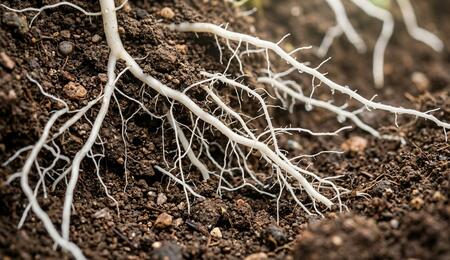
The roots of a cannabis plant absorb phosphorus from the surrounding soil or growing medium, where it can then be transported throughout the plant. Healthy soil biology can make a significant difference in this process. Beneficial microorganisms and mycorrhizal fungi can interact with plant roots and help make nutrients more accessible.
- Absorbed through root hairs and root cells.
- Used immediately for plant growth and energy production.
- Stored within the plant for later use.
- Made more available through the activity of beneficial bacteria and fungi.
- Delivered through either organic amendments or synthetic nutrient products.
Phosphorus and Beneficial Microorganisms
Mycorrhizal fungi and beneficial bacteria can support the relationship between cannabis roots and the surrounding soil. Some growers use microbial products, bacterial brews, or aerated compost teas to encourage biological activity in the growing medium.
The goal is to create a living root environment where microorganisms can help cycle nutrients and support healthy plant development. Phosphorus uptake doesn't happen in isolation. Root health, soil biology, nutrient availability, and environmental conditions all work together to determine how well a cannabis plant develops.
Instead of immediately adding more phosphorus whenever symptoms appear, consider the wider growing environment. Taking a broader approach can help prevent unnecessary nutrient additions and keep plants growing more consistently.
What Does Phosphorus Actually Do for Indoor Cannabis?
Phosphorus is involved in a wide range of processes that keep cannabis plants growing and developing properly. It helps plants manage energy and contributes to the movement and utilisation of cannabis nutrients.
- Supporting healthy root development.
- Encouraging flower and bud formation.
- Helping transport nutrients throughout the plant.
- Supporting energy transfer.
- Contributing to photosynthesis
Phosphorus Throughout the Cannabis Life Cycle
One common misconception is that cannabis plants only need significant amounts of phosphorus once flowering begins. In reality, phosphorus is useful from the earliest stages of development right through to harvest.
The plant’s requirements and priorities change as it grows, but phosphorus remains involved in important processes throughout both the veg and flowering stages. Below explains a cannabis plant’s requirements during the vegetative and flowering period and what to be aware of.
Vegetative Stage (18/6)
During the 18/6 light cycle commonly used for vegetative growth, phosphorus contributes to establishing a healthy root system and supporting vigorous development. A healthy root system gives the plant a stronger foundation as it moves into flowering, making adequate phosphorus availability important well before the first buds appear.
Flowering Stage (12/12)
Once plants transition into the 12/12 flowering cycle, phosphorus continues to support growth as the plant begins putting more energy into reproductive development. This is why phosphorus is often emphasized during bloom. However, that does not mean growers should automatically increase phosphorus dramatically once flowering begins.
What Does Phosphorus Nutrient Lockout Mean?
Because phosphorus is required throughout the cannabis life cycle, a cannabis phosphorus deficiency can affect plants during both vegetative growth and flowering. A nutrient lockout occurs when the pH level of your nutrient solution of growing medium is not within the optimal range.
pH plays an important role in nutrient availability. When growing cannabis in soil with organic liquid nutrients, the original guidance recommends maintaining a pH range of approximately 6.0- 7.0.
If the growing medium moves too far outside the appropriate range, nutrient availability can become restricted and plants may show signs of deficiency even when nutrients are technically present. Regular monitoring can help growers identify potential problems before they become more serious.
- Soil grown cannabis requires a pH between 6.0 - 7.0
- Hydroponic cannabis requires a pH between 5.5 - 6.5
New growers may mistake phosphorus deficiency for other nutrient or environmental problems, so it is important to consider the plant as a whole rather than relying on a single symptom. Below highlights the signs to look out for when experiencing a nutrient lockout.
- Slow or stunted growth.
- Weak or underdeveloped roots.
- Dark green or purple foliage.
- Poor flower development.
- Smaller flowers and reduced bud formation.
- Discoloration affecting lower leaves.
My Top Tips for Using Phosphorus
Giving your cannabis plants the right amounts of phosphorus when they are young develops strong roots, and during 12/12, encourages heavy on set of pre-flowers and buds. It can be easy to overdo it with phosphorus and burn plants, so below are my top tips to consider when using phosphorus on indoor cannabis plants.
Tip #1 - High PK Boosters
As tempting as it can be to hammer your plants during the flowering period, giving your plants high levels of phosphorus can cause nutrient imbalances and nutrient burn. Avoid using powerful PK flowering boosters, and instead try adding a top dressing of powdered bat guano every 7-10 days from week 4 onwards of the flowering stage.
Tip #2 - Low Amount for Seedlings
Roots depend on phosphorus of healthy growth and development, however seedings and clones do not need much nutrients. Provide young plants with a mild mix of nutrients and slowly increase the ratio to avoid overfertilisation.
My Final Thoughts on Phosphorus and Cannabis
Phosphorus is far more than a flowering nutrient. Cannabis plants rely on it throughout their life cycle for root development, energy transfer, nutrient movement, and flower production. While flowering plants can have increased demands, phosphorus should not be viewed as something that needs to be heavily increased simply because plants have entered bloom.
Healthy roots, suitable pH, active soil biology, and an appropriate feeding strategy all contribute to effective phosphorus uptake. For growers, the key is balance. Providing enough phosphorus while maintaining healthy soil and avoiding excessive feeding can help support vigorous growth from seedling through harvest.
S
Stoney.Tark