How Do Mycorrhizal Fungi Benefit Cannabis Plants?
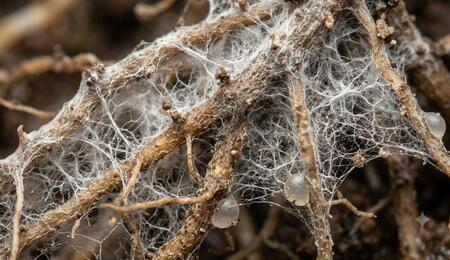
Healthy roots are the foundation of every successful cannabis grow. While lighting, nutrients, and genetics all play an important role, many growers overlook one of nature's most powerful allies: mycorrhizal fungi. These microscopic spores not only help cannabis plants grow bigger, better buds but also protect the root zone from harmful pathogens.
Growers can introduce beneficial fungi into the root zone, creating a symbiotic relationship that can improve nutrient uptake, strengthen root development, and support healthier plants from seedling to harvest. Whether you're growing indoors or outdoors, this article will explain the ins and outs of mycorrhizal fungi, the benefits associated and get the most from mycorrhizal fungi and grow the best crops possible!
What are Mycorrhizal Fungi?
Mycorrhizal fungi have been supporting plant life for hundreds of millions of years. As plants evolved from aquatic environments to life on land, these beneficial fungi formed partnerships with plant roots that continue to benefit ecosystems today.
Once established, the fungi extend beyond the root system, increasing the plant's ability to access water and nutrients while helping create a healthier and more resilient growing medium.
- Improve root development
- Increase nutrient and water uptake
- Support stronger, healthier plants
- Encourage faster root establishment
- Build healthier, more biologically active soil
- Apply fungi as early as possible for maximum root colonisation.
- Larger root systems improve nutrient and water uptake.
- Healthy roots often lead to stronger, faster-growing plants.
- Beneficial fungi support long-term soil health and biological diversity.
So how do Mycorrhizal Fungi Benefit Roots?
The most noticeable benefit of mycorrhizal fungi is often found beneath the soil surface. As the fungi establish themselves around the roots, they effectively extend the plant's underground network, allowing it to explore a much larger volume of growing media.
- Water absorption
- Nutrient availability
- Root density
- Overall plant vigour
Think of it like increasing the number of tiny drinking straws attached to your plant. The larger the network, the greater its ability to access essential resources. Many growers notice thicker root balls, improved transplant success, and more vigorous vegetative growth after introducing beneficial fungi.
One of the biggest advantages of introducing beneficial fungi is the creation of a healthier root environment. As mycorrhizal fungi colonise the root zone, they compete with harmful microorganisms for space and resources, helping to establish a balanced microbial ecosystem around the roots.
While mycorrhizal fungi are not a replacement for good cultivation practices, they can become an important part of an integrated approach to plant health. Different beneficial microorganisms also serve different purposes. For example:
- Mycorrhizal fungi primarily support the root zone.
- Beneficial foliar microbes may help manage leaf diseases.
- Beauveria bassiana are commonly used in biological pest management programmes.
Using the right biological tools for the right job can reduce reliance on chemical inputs while promoting healthier plants. One of the greatest advantages of mycorrhizal fungi is their contribution to healthy, living soil.
Rather than simply feeding the plant, these fungi help build an active underground ecosystem that benefits future crops as well. For growers interested in regenerative or organic cultivation, mycorrhizal fungi can contribute to:
- Improved soil structure
- Greater biological diversity
- Enhanced nutrient cycling
- Increased carbon storage
- Long-term soil fertility
Over time, healthy soil biology creates a self-sustaining environment that requires fewer external inputs while supporting vigorous plant growth season after season. Healthy roots are especially important during propagation. Whether you're cloning a single favourite plant or producing hundreds of cuttings, rapid root development gives young plants a stronger start.
Many growers apply mycorrhizal fungi by soaking rooting plugs before inserting cuttings. Once roots begin to emerge, the fungi quickly colonise the developing root system. A vigorous root system established early in the plant's life often leads to faster growth throughout the vegetative stage.
Why a Healthy Root System Is Essential
Every successful cannabis plant starts below the surface. While growers often focus on lighting, nutrients, and genetics, the health of the root system ultimately determines how well a plant grows throughout its life.
Roots are responsible for anchoring the plant, absorbing water and nutrients, and supporting beneficial microorganisms that help create a thriving growing environment. A healthy root system is the foundation for vigorous growth, improved resilience, and productive harvests.
How Roots Work with Beneficial Microorganisms
One of the most fascinating aspects of cannabis cultivation happens beneath the soil surface. During photosynthesis, cannabis plants produce sugars known as carbohydrates. A portion of these sugars is transported down into the root zone, where they are released into the surrounding soil. These natural sugars act as food for beneficial organisms.
- Mycorrhizal fungi
- Beneficial bacteria
- Rhizobia
- Actinomycetes
- Diazotrophic bacteria
The Different Cannabis Roots
A healthy root system is the foundation of a healthy cannabis plant. Strong roots influence everything from plant vigour and structural stability to nutrient uptake, growth rate, and ultimately, harvest potential. Cannabis plants develop three primary types of cannabis roots, each performing a specific role.
#1 - Tap Root
The tap root is the first major root to develop after germination. Its primary job is to grow deep into the growing medium, securely anchoring the plant while accessing water stored deeper below the surface. A strong tap root provides the stability needed to support vigorous above-ground growth.
#2 - Fibrous Roots
Fibrous roots branch out from the tap root to create a dense network of fine roots covered in microscopic root hairs. These roots are responsible for absorbing most of the plant's water, nutrients, and minerals, thereby greatly increasing the surface area available for uptake.
#3 - Adventitious Roots
Adventitious roots develop from stem tissue rather than the primary root system. They commonly appear around the base of the stem, on buried sections of the stalk, or on cuttings during propagation. These roots are essential when cloning cannabis, allowing new plants to establish healthy root systems of their own.
My Final Thoughts on Mycorrhizal Fungi
Beneficial microorganisms help improve nutrient availability, support root development, and contribute to a healthier soil ecosystem. Cannabis plants that have been inoculated with beneficial microorganisms will have a better chance of producing better yields and superior bud quality. Mycorrhizal fungi enhances nutrient uptake and availability, as well as offers protection against plant disease, heat stress and resilience to drought stress.
S
Stoney.Tark