How to Calculate Cannabis Yield
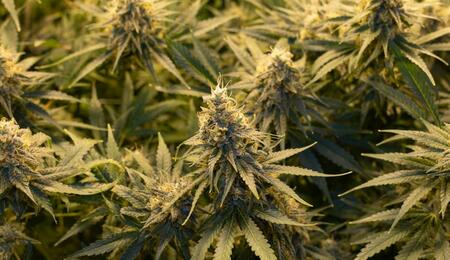
Cannabis yield estimates can vary widely because of genetics, light, growing conditions, plant development and harvest timing, which all influence the final result.
Knowing how much cannabis a plant can produce is useful for anyone who grows their own at home. It can help you plan your next crop, decide how many plants you need, and find out which growing methods are actually making a difference.
The tricky part is that cannabis yield is not something you can predict with complete accuracy. Two plants grown from the same seeds can finish at different sizes and produce different amounts of flower. Light, genetics, growing space, nutrition, training, environmental conditions, and harvest timing can all have an impact on the final result.
Fortunately, you do not need complicated calculations to get a useful estimate.
Start With Wet or Dry Weight?
Freshly harvested cannabis weighs considerably more than dried cannabis because the flowers still contain a high amount of moisture.
This is why growers usually talk about dry yield when comparing harvests.
Freshly harvested flowers may weigh roughly three to four times as much as the same flowers after drying, although the exact difference varies. A harvest that weighs 400 grams when freshly cut might end up somewhere around 100 to 130 grams once properly dried.
For this reason, do not compare your wet harvest directly with another grower’s dry yield. You are not comparing the same thing.
The Simple Way to Calculate Your Actual Yield
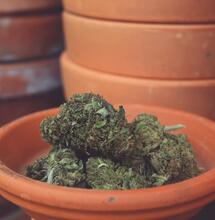
The most reliable method is also the easiest: weigh the finished, dried flowers.
After harvesting, remove the larger unwanted plant material and dry the flowers properly. Once they have reached a stable moisture level, place them in a container or bag and weigh them using a reasonably accurate digital scale.
The final figure should be the net weight of the dried flower, rather than the combined weight of the cannabis and whatever you use to hold it.
If you grew several plants, you can weigh them individually and then add the results together.
Keeping these numbers from each harvest gives you something much more useful than a generic yield estimate. You start building a record of what your particular growing space can actually produce.
How to Estimate Yield Before Harvest
Estimating yield while your cannabis plants are still growing is much less precise, but it can still be useful.
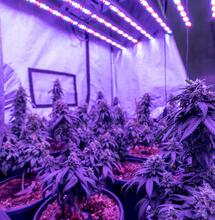
One common approach is to look at the amount of light reaching the plants. Growers sometimes use expected grams per watt as a rough benchmark for indoor cultivation. However, this number should be treated as a broad reference only.
The same light can produce very different results depending on the grower’s experience, genetics, canopy development and environmental conditions.
A better approach for a home grower is to use previous harvests as a reference.
If a particular setup produced 100 grams from one plant under similar conditions, that gives you a much more meaningful starting point than a claim somewhere online that a particular cultivar can produce 500 grams.
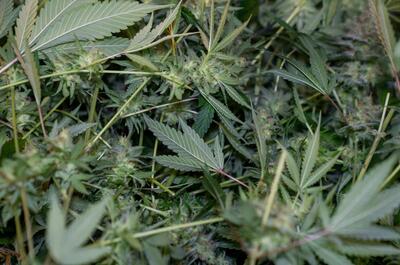
Cannabis yield is the net weight of properly dried, usable flower, recorded after harvest and drying are complete.
Plant Size Is Not the Same as Yield
A large cannabis plant does not automatically mean a large harvest.
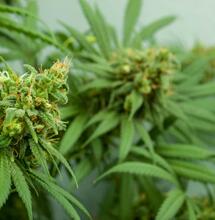
A plant can grow tall and leafy without producing a lot of dense flowers. Another plant may remain relatively compact while developing a productive canopy covered with prominent buds.
What matters is how efficiently the plant develops flowering sites and uses the available light.
This is also why simply counting branches or estimating the weight of individual buds while they are growing can be misleading. Flowers change considerably during the final stages of flowering and lose a substantial amount of water during drying.
Genetics Make a Big Difference
Genetics are one of the factors you cannot completely control during a single grow.
Some cannabis varieties naturally produce larger flowers or develop a wider canopy, while others tend to remain smaller. Even within the same variety, individual plants can behave differently.
Seed descriptions and breeder estimates are great for getting a general idea of potential yield, but they should not be treated as guaranteed results.
Your own growing records are usually more valuable over time.
Indoor and Outdoor Yields Are Different
Indoor growers have more control over the various environmental factors. This makes it easier to create similar conditions from one crop to the next.
Outdoor cultivation is much harder to predict. Sunlight, weather, pests, rainfall, temperature and the length of the growing season can all influence the final harvest.
For outdoor plants, the size of the plant can provide some indication of potential yield, but it is still only an estimate.
A large plant can have a disappointing harvest, while a smaller, well-developed plant can perform surprisingly well.
How Much Does Cannabis Lose During Drying?
This is one of the biggest reasons new growers are surprised by their final numbers.
Fresh cannabis flowers contain a significant amount of moisture. As that moisture leaves the plant during drying, the weight drops substantially.
It means that a big-looking pile of freshly harvested produce can become a notably modest amount of dried buds.
However, do not judge your harvest too early. The final number only becomes meaningful once the flowers have been properly dried.
At the same time, drying too aggressively can affect the quality of the finished flower. The aim is not to remove moisture as quickly as possible, but to dry the flowers gradually while preserving their quality.
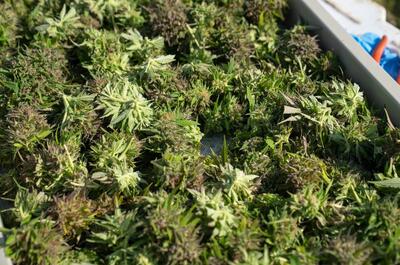
Keeping yield records from each harvest gives growers a practical benchmark for planning future crops and evaluating changes to their growing setup.
Keep a Harvest Record
If you want to become better at estimating yield, start keeping simple notes.
You do not need a complicated spreadsheet. A notebook or phone note can include:
- Number of plants
- Growing method
- Approximate plant size
- Container size
- Light used for indoor grows
- Training methods
- Flowering time
- Harvest date
- Wet weight, if you choose to record it
- Final dry weight
After several harvests, patterns will start to appear.
You may discover, for example, that plants trained in a particular way consistently produce more usable flower in your space. Or you may find that increasing plant size does not necessarily increase your final output.
That information is far more useful than someone else’s advertised maximum yield.
Yield Per Plant vs. Yield Per Growing Area
Growers often talk about grams per plant, but this can sometimes be a misleading comparison.
One grower might have a single large plant occupying an entire tent, while another might grow several smaller plants in a similar size area. Comparing their yield per plant would not tell you much.
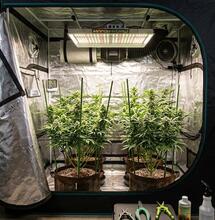
For indoor growing, it can be more useful to think about the total harvest from a particular growing area and lighting setup.
This gives you a better way to compare different approaches within your own garden.
What Counts as Your Final Cannabis Yield?
For a meaningful final number, count the dried, usable flower you actually intend to keep.
Do not include large stems, leaves or other material that you would normally remove before storing or consuming the flower.
If you make concentrates, edibles or other products from parts of the harvest, you can record those separately. That gives you a clearer picture of what your cannabis plants produced rather than simply relying on the weight of everything that came off them.
The Best Yield Estimate Is Your Own
There is no universal number that tells every grower how much cannabis a plant will produce.
Yield calculators, breeder estimates and grams-per-watt figures can all provide helpful points of reference, but they cannot account for every variable in your cannabis garden.
The most reliable method is to grow, harvest, dry, weigh and record the results.
After a few cycles, your own records become a much better predictor of future harvests. You will know what your space, equipment, genetics and growing approach can realistically produce.
And that is ultimately what calculating cannabis yield is about. Not chasing the biggest number, but knowing your own garden well enough to make better decisions with every other grow.
Read more from Soft Secrets:
Disclaimer: Cannabis cultivation laws vary by region. Readers are advised to check and comply with the regulations applicable in their local jurisdiction before cultivating cannabis.
S
Stephen Andrews