Why Is My Cannabis Plant Yield So Low?
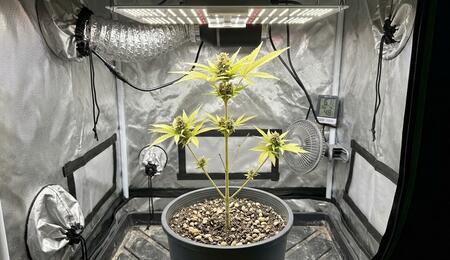
As an indoor grower, you will spend all your money on genetics, nutrients, growing medium and other grow room gadgets, with the intention of producing an epic yield. However, there may be times when you harvest and dry your buds and are left wondering, why is my yield so low?
There is a wide array of factors that contribute towards achieving the perfect yield, so in this article, I am going to cover 10 important fundamentals to take into consideration. By the end of this article, you should have a much better chance of perfecting your growing environment and ensuring your plants are the best they can be at harvest time!
Nutrient Uptake and Availability
One of the most common mistakes that I see growers making is not checking the pH of their water source or nutrient solution mix. It does not matter how many nutrients you use when mixing; if the pH range is too low or high, then your plants will not be able to access the nutrients.
It is as simple as that! Now, whilst your plants may look great, if they cannot access those much-needed nutrients when they need them the most, then the yield will be significantly affected.
Hollow and Weak Stems
A well-grown cannabis plant should be tough, sturdy, resilient and have a hardwood characteristic. Have you ever harvested a plant and noticed that the stems and side branches are actually hollow inside, to the point of being weak?
I have seen plants in the past that appeared to have a thick and dense appearance, but were actually like celery on the outside and completely hollow. A boron and calcium deficiency can be the cause of weak and hollow stems.
Low Light Penetration
When a cannabis plant receives low amounts of PAR from intense light, it will only be able to develop at a slow rate, using a small amount of food. This is commonly seen on the lower third of a cannabis plant, where growers often find what they refer to as popcorn buds.
The small and undeveloped nugs are a nightmare to trim and, in my case, get thrown into a trim bag and into the freezer until the big end-of-year hash run. Overcrowding your grow room or not anticipating the final plant size is usually the main culprit behind low light penetration and a low cannabis plant yield.
Heat Stress and Wind Burn
Plants inside grow rooms that are running above 26 degrees Celsius, with poor airflow and ventilation, can experience heat stress and wind burn symptoms. Wind burn happens when the air is too dry or too harsh for a cannabis plant. The leaves begin to curl inwards, affecting photosynthesis, and growth is temporarily stunted.
A heat-stressed cannabis plant can quickly lose its healthy shine and vigorous appearance. The buds will also be affected, resulting in less-than-superior quality. I would recommend running your grow room at around 22 degrees during the last 6 weeks of 12/12 and avoiding temperatures above 24 degrees Celsius. Small oscillating fans set at different heights in the room can produce a gentle and cool breeze that prevents wind burn symptoms.
No LST
I am a big fan of the low-stress technique, due to the fact that a simple bit of tying down and pruning can make a world of difference! I have done plenty of experiments in the past, and one of those was to compare an untrained clone next to an LST-trained clone. I strongly recommend LST to indoor growers, but only start tying and bending once the plants are 4-5 weeks old.
If you are new to cannabis plant training, then have a look at LST training and you will be amazed at how beneficial and simple this old-school plant training technique truly is. Trained cannabis plants produce a larger number of primary top colas whilst throwing out consistently large-sized secondary lower colas.
Grow Light Intensity
Cannabis grow lights are so powerful these days that you do not need to use their full PPF output. In fact, giving your cannabis plants too much light intensity will cause light burn. This causes the top set of leaves to turn yellow, and growth becomes stunted. This is a common issue for growers during the flowering period who think cranking their high-powered LED lights to full intensity and capacity is beneficial.
The truth is, too much light is a bad thing and will set you back when it comes to harvesting your plants. 800 to 1000 µmol/m²/s is the optimal amount for indoor growers of flowering plants who are not supplementing the room with carbon dioxide. The next time you flower your plants, calculate how many watts of power you need for your lights to stay within the ideal µmol/m²/s range.
Pest Problems
Cannabis grow room pests are one of those things that, if you do not deal with them in time, can cause severe damage to the foliage and affect bud development. Pests such as thrips, aphids, spider mites and fungus gnats can be dealt with by introducing predatory pests into the grow room to fight off the pest population and eliminate them.
You can also use insecticidal soaps, but never use these once your plants are flowering. Spider mites are the most tricky cannabis pests to eradicate due to the fact that they reproduce so rapidly. A cannabis plant that is 100% pest-free will grow to the best of its ability, without compromising yield and quality.
Small Lower Buds
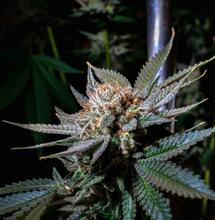
Cannabis plants will grow two types of colas, which are primary and secondary. The top colas are the primary colas, whilst the side branches produce secondary colas. When the lower half of the plants focuses its energy on producing small, undeveloped buds, the primary top colas will only grow so big.
The best way to avoid growing those annoying lower buds is to simply prune away all of the foliage beneath the top two internodes. This should be done carefully using a scalpel, 3–5 days before switching to a 12/12 regime. Pruning the lower foliage is also an excellent opportunity to source healthy clones.
Root Issues
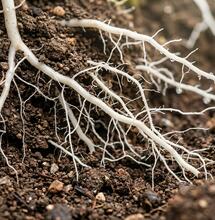
If the roots of your plants are not in good health, then the rest of the plant will also suffer. Root issues such as root rot, discolouration, darkening, and mushy, soft roots will have a significant effect on how much bud the plants can produce.
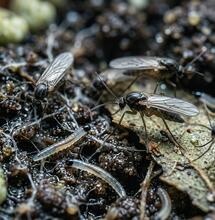
Checking your roots every 3 days is a good way to keep a close eye on root health and to act fast if you do notice an issue. Fungus gnats are tiny mosquitoes that live in wet soil. They may seem harmless, but they can cause root damage, inviting pathogens to infect the plant.
Fresh Air and Carbon Dioxide
Your grow room should have top-quality ventilation, allowing fresh, carbon-dioxide-rich air from outside to be drawn in using intake fans. Cannabis plants that have access to clean, CO2-rich air will always produce a better yield than those grown without it. Poor ventilation or old equipment can be one of the main causes of low yields. When a grow room has poor ventilation, the plants inside can respond with reduced yields.
Indoor cannabis plants that are grown with carbon dioxide have the capacity to yield a much larger amount than plants that only receive 400-450 ppm (outdoor CO2 levels). Cannabis plants can take anywhere up to 1500 ppm; however, you should not run your rooms with high temperatures and humidity levels, so be extra careful during the final weeks of flower production.
S
Soft Secrets