Ready to Harvest?
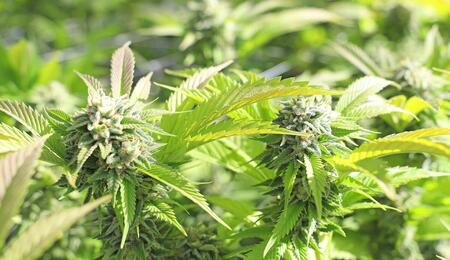
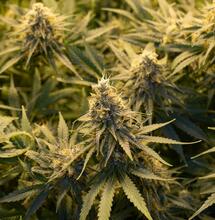
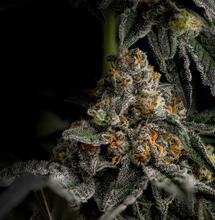
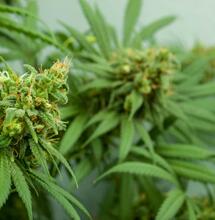
Examining trichomes under magnification reveals clear visual indicators when flowers are ready for harvest.
Croptober is here. It’s the season when a lot of growers impatiently wait to harvest their Cannabis plants. How do you know it’s about time, and where to start with? How to treat the plant material after that? Keep reading to get some fresh tips on harvesting your Cannabis plants, and properly doing the drying and curing afterward.
How to Determine When Cannabis Is Ready for Harvest
Harvesting cannabis at the exact window of peak ripeness ensures maximum cannabinoid potency, rich terpene preservation, and optimal yield. While many growers chop the entire plant at once, implementing a staggered harvest allows every flower site to reach its full potential.
Staggered Harvesting for Uniform Flower Ripeness
Instead of waiting for every branch to mature simultaneously, growers may want to perform a progressive harvest by collecting the upper canopy first. Top colas receive maximum light intensity and ripen several days ahead of lower branches.
- Upper Canopy First: Harvesting mature top buds first removes shade from the canopy without harming remaining plant growth.
- Lower Site Ripening: Exposing lower flowers to direct light allows underdeveloped buds to swell, gain density, and mature over an additional week or two.
- Sanitation and Handling: Always use sterilized trimming shears when making cuts to prevent late-stage infections. Handle harvested branches gently by the main stems to avoid dislodging delicate resinous trichomes.
3 Visual Signals to Check Flower Maturity
Determining whether cannabis flowers are ready for harvest requires careful observation of biological maturity markers under bright light or magnification.
- Trichome Color Transitions: Inspect the glandular resin heads on the calyxes using a 60x jeweler loupe or digital microscope. Immature trichomes appear completely clear. Peak cannabinoid potency occurs when roughly 70 to 80 percent of the heads turn milky white or cloudy, with 10 to 20 percent transitioning to a deep amber color.
- Pistil Color and Curling: Observe the hair-like pistils protruding from the floral calyxes. Young, actively growing flowers feature straight white pistils. As the flower reaches full maturity, 70 to 90 percent of these hairs darken to orange, brown, or red while curling inward toward the bud structure.
- Calyx Swelling: Examine the base structure of the flowers. Fully mature calyxes swell significantly, taking on a firm, dense appearance as resin production peaks prior to harvest.
How to Cut Plants?
Small cultivars can be cut down at the main stem. With big ones, make a cut for every branch separately. Again, work gently with the branches to protect the flowers and their trichomes. Separate branch by branch to ensure there is sufficient airflow before you hang them to dry. Lay them on a plastic tray as you wait time for drying and curing.
- When all branches are removed from the plant, take pieces of twine and bind them near the points where you made the cuts.
- Use a washing line or anything like rope, cord or string to hang the branches.
- Prune off the big fan leaves from the stems using scissors, as always ensuring the tool is clean.
- Removing the leaves is easier done when the plants are freshly chopped, plus it will improve airflow around the buds. While there are various ways to reuse the fan leaves once removed, your buds definitely won’t need them.
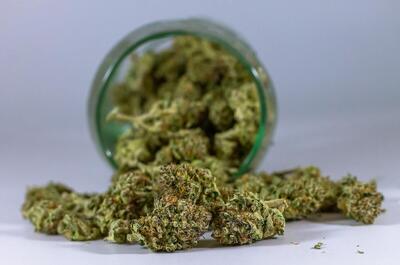
Proper drying and curing preserves volatile terpenes, stabilizes moisture content, and ensures a smooth, flavorful final product.
How to Dry Cannabis?
Drying is perhaps one of the most underestimated steps in growing and harvesting Cannabis. Yet, it determines the final outcome, or in other words, whether you will have good or bad buds for smoking.
Keeping the drying room closer to 60°F (15.5°C) preserves the delicate flavor profile and essential floral aromas. Pushing temperatures toward 75°F may accelerate terpene loss and cause flowers to dry out too quickly, leading to a harsh final product. Also important is maintaining relative humidity at 60% to ensure a steady, gradual release of moisture over a 10-to-14-day window.
When room temperatures drop too low, drying slows to a crawl. On the other hand, hot or dry air forces the exterior of the flower to dry out before inner stem moisture evaporates, leading to harsh smoke. High humidity levels invite mold and bud rot.
Maintaining total darkness throughout the drying room preserves active cannabinoids. Light exposure degrades THC into CBN, reducing potency and altering the intended effects of the strain.
Provide adequate distance between hanging branches to encourage gentle airflow and prevent damp spots. You can place a small fan on a low setting to keep air moving smoothly around the space without pointing it directly at the buds. The drying process generally takes between 7 and 14 days depending on ambient conditions and bud size. Once stems snap cleanly rather than bend, flowers are ready for trimming and jar curing.
How to Cure Buds?
Curing is the final step in your cannabis growing journey. Don’t falter now at the end. Curing is what ensures the dried buds retain their full spectrum of smell and taste.
After the drying stage, only an initial amount of moisture is removed from the buds. Now it is time to store the finished buds in sealed containers to optimize moisture levels and preserve flavors and aromas.
Most growers cure their buds in airtight glass jars. Humidity inside the containers needs to stay in the range of 55 to 65 percent, and the curing period should last at least two weeks. Pay close attention to the room temperature where you store the jars. Most terpenes are sensitive to heat and can quickly degrade and evaporate. Aim for a slow cure at temperatures around 65 to 70 degrees Fahrenheit.
Proper curing also extends the shelf life of cannabis. Well-cured buds can remain stored in an airtight glass jar in a cool, dark place for up to two years without noticeable loss in potency, aroma, or flavor.
It is easy to make errors when you are a new grower, but making mistakes is okay – it is how everyone learns. Take notes of how you handle the harvest and the succeeding weeks of drying and curing. If you grow several different strains, note how each reacts to prolonged or shortened drying periods, curing duration, and environmental conditions.
Happy harvesting!
Read more from Soft Secrets:
- Bud Flattening and Maturation in Late Flowering
- How to Ensure a Successful Cannabis Harvest Season
- What to Do with Cannabis Harvest “Waste” Material?
Disclaimer: Cannabis cultivation laws vary by region. Readers are advised to check and comply with the regulations applicable in their local jurisdiction before cultivating cannabis.
Last updated September 19, 2026
S
Stephen Andrews