Bud Flattening and Maturation in Late Flowering
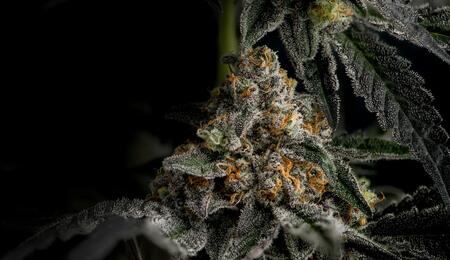
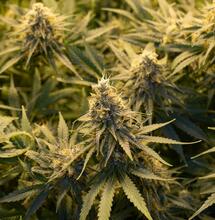
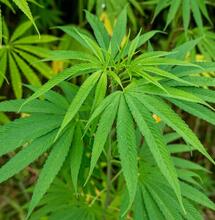
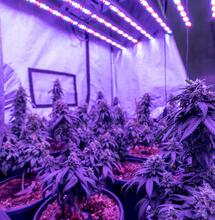
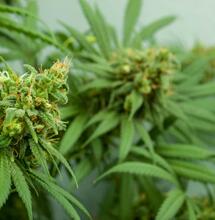
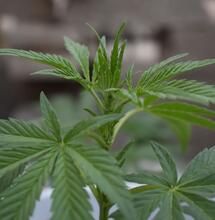
Monitoring trichome clarity and pistil color reveals peak chemical maturation after physical cola growth flattens. Photo by Spencer Gray on Unsplash
As the harvest season approaches, the shift from vertical growth to flower density becomes the primary focus in the garden. Understanding the distinction between bud flattening, which marks a plateau in physical volumetric expansion, and internal biochemical maturation is essential for timing your cannabis harvest perfectly.
The Plateau: Bud Flattening vs. Mass Density
During weeks four through six of the flowering stage, cannabis plants undergo a rapid expansion phase commonly known as bud fattening. Calyxes swell, pistils multiply rapidly, and colas gain substantial length and width.
Toward the final weeks of the cycle, physical volumetric growth reaches a distinct plateau or flattening phase.
- Volumetric Growth Stops: The plant stops extending its physical framework or stretching outwards, directing its metabolic energy into resin synthesis and calyx swelling.
- Calyx Density: Although the outer silhouette of the cola stops expanding in size, individual calyxes continue to swell tightly around the seed bracts, hardening the overall structure.
- The Pitfall of Waiting for Size: A common grower’s mistake is deeming this physical size plateau to be stalled growth and delaying harvest in search of larger flowers. Once volumetric flattening occurs, flowers will not grow wider, though density continues to build.
Key Indicators of Cannabis Peak Maturation
Once volume expansion flattens, chemical maturation accelerates. Determining peak harvest readiness for cannabis requires monitoring two main visual indicators:
Pistil Color and Shape
- Under Ripe: Pistils are bright white, straight, and standing outward from the cola.
- Peak Maturity: 70 to 90 percent of pistils have darkened to an amber or reddish hue and curled inward toward the calyxes.
- Over Ripe: 95 percent or more of pistils are shriveled, dark brown, and fully receded into the calyx structure.
Trichome Gland Color
- Under Ripe: Trichome heads appear completely clear and glassy, indicating low overall cannabinoid accumulation.
- Peak Maturity: The majority of trichome heads turn a milky, cloudy white, with roughly 10 to 20 percent shifting to a rich amber color, signaling peak Delta-9-THC concentration.
- Over Ripe: A heavy majority of trichomes turn amber to dark brown as active THC oxidizes into CBN.
Managing Environmental Factors Near Cannabis Harvest
The final two weeks require tight environmental controls to preserve terpene profiles and prevent late stage crop loss:
- Lower Humidity Levels: Reduce relative humidity to 40 or 45 percent during late maturation. Dense, flattened colas trap moisture easily, creating ideal conditions for bud rot.
- Cooler Dark Periods: Dropping nighttime temperatures by a few degrees mimics late autumn conditions. This encourages natural anthocyanin pigment expression and slows down the evaporation of delicate terpenes.
- Avoid High Stress Factors: Excessive heat or light intensity late in the cycle can cause foxtailing or light bleaching, forcing mature cannabis colas to shoot out fresh white pistils and restart unwanted vegetative growth.
By relying on trichome cloudiness and calyx density rather than sheer flower size, growers can time their weed harvest with confidence. Paying close attention to these late-stage signals guarantees you chop at peak quality every single season.
Read more from Soft Secrets:
Disclaimer: Cannabis cultivation laws vary by region. Readers are advised to check and comply with the regulations applicable in their local jurisdiction before cultivating cannabis.
S
Soft Secrets