What Are the Boundaries of Home Cultivation in the US
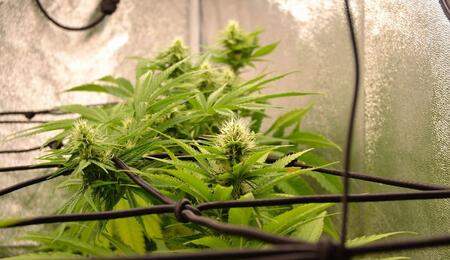
Law enforcement agencies enforce state-mandated plant limits and public visibility rules to regulate residential cannabis cultivation.
For residents of states where recreational or medical cannabis is legal, growing a few plants at home can be one of the most appealing benefits of legalization. Many states allow adults to cultivate cannabis for personal use, often setting limits of six plants per person or twelve per household. However, these allowances come with conditions.
The right to grow cannabis at home is not unlimited. State laws regulate how many plants a person can maintain, where they can be grown, how they must be secured, and what can be done with the harvested cannabis. Local ordinances may introduce additional restrictions. Crossing these boundaries can turn an otherwise legal home garden into a legal problem, sometimes with serious consequences.
The Plant Count: How Many Pot Plants Are Too Many?
The number of cannabis plants a person can legally grow depends on the state. Six plants per adult and twelve per household are relatively common limits, but some jurisdictions allow fewer, impose different rules for medical patients, or distinguish between mature and immature plants.
Exceeding the permitted number can result in different penalties depending on the state and the circumstances. Relevant factors may include how many extra plants were found, whether the person has previous offenses, and whether there is evidence of commercial activity.
- Civil Violations and Fines: In some jurisdictions, relatively minor violations of home cultivation rules can result in financial penalties or other civil consequences.
- Misdemeanor Offenses: More substantial violations, including growing beyond the permitted limit, may constitute a misdemeanor. Depending on the circumstances, penalties can include fines and possible jail time.
- Felony Cultivation: Large-scale unauthorized cultivation can result in felony charges. The number of plants that triggers a felony varies considerably between states, while evidence of intent to distribute or other aggravating circumstances can further affect the charges.
In other words, being caught growing one or two extra plants does not necessarily carry the same weight as maintaining an extensive unlicensed grow operation. A lot of it depends on the applicable state law.
Out of Sight, Out of Reach: Visibility and Security Rules
The plant count is not the only thing growers need to consider. Legal home cultivation often comes with requirements concerning where cannabis plants can be kept and who can access them.
Many states require plants to be grown in an enclosed or secured area, particularly where children or other people could easily access them. Some also require outdoor plants to be kept away from public view.
These rules can affect how people organize their cannabis home grows:
- Visibility Restrictions: Certain states prohibit growing cannabis where plants can be seen from a public place. Others impose additional restrictions on outdoor cultivation or require screening and fencing.
- Secure Growing Areas: Cultivation may need to take place in a locked or otherwise secured space. An accessible backyard or an unlocked greenhouse could violate applicable requirements.
- Protection of Minors: Preventing children from accessing cannabis plants and harvested products is an important part of home cultivation regulations. Failure to do so can result in additional legal consequences.
Even someone growing the permitted number of plants for personal use can run into trouble by overlooking these requirements. It is therefore important to check not only the state plant limit for cannabis but also the rules governing the growing environment.
Can Cities, Landlords, and HOAs Restrict Home Growing?
State legalization does not necessarily mean home cultivation is permitted everywhere. Cities and counties may impose additional restrictions through zoning rules, building codes, and local ordinances. Depending on state law, these can affect outdoor growing, security arrangements, and other aspects of cultivation.
Renters may face additional limitations. Landlords can sometimes prohibit cannabis cultivation through lease agreements, even in states where home growing is perfectly legal. Homeowners’ associations (HOAs) may also enforce rules concerning outdoor structures, property modifications, and odors affecting neighbors, although their authority again varies by state.
Before setting up a home grow, it is therefore worth checking local regulations, rental agreements, and HOA rules. A cultivation allowance under state law does not automatically override restrictions that apply to a particular property.
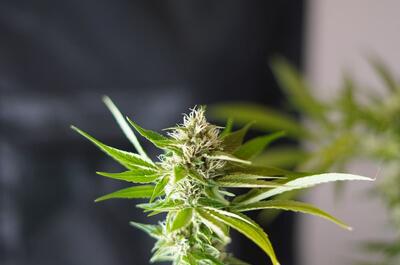
Authorities often rely on neighbor complaints regarding persistent odors or property visibility to investigate potential violations of residential cultivation laws. Photo by Juan Miguel Restrepo Barrera on Pexels
When Can Police Investigate a Cannabis Home Grow?
Cannabis legalization does not give law enforcement unrestricted access to private property. The Fourth Amendment protects people against unreasonable searches and seizures, meaning police generally need a warrant, valid consent, or another recognized legal exception to search a private residence.
Nevertheless, home cultivation can attract attention in several ways.
- Neighbor Complaints: Strong cannabis odors, visible plants, unusual lighting, or frequent visitors can prompt neighbors to contact local authorities. A complaint alone does not automatically authorize a search, but it may lead to further investigation.
- Visible Garden: If an officer can observe cannabis plants from a place where they are legally permitted to be, that observation may become relevant to an investigation. Whether it provides grounds for further action depends on the circumstances and the applicable law.
- Evidence of Unauthorized Activity: Police may investigate reports of suspected illegal sales, excessive cultivation, or other violations. Utility records and other information can sometimes form part of an investigation, although unusual consumption by itself does not establish illegal activity.
The distinction between observing something suspicious and having sufficient legal grounds to search a home is important. Even when growing cannabis is legal in a particular state, violations of rules can still be investigated.
Personal Cultivation Does Not Mean Commercial Distribution
Perhaps the most important boundary is the distinction between growing cannabis for personal use and operating an unauthorized business.
Home cultivation laws generally allow people to supply their own consumption, not establish an unlicensed commercial growing or distribution operation. Some states allow adults to share or gift cannabis to friends, provided they stay within specified possession limits.
However, selling home-grown cannabis without the appropriate license is a different matter and can lead to serious criminal charges. Packaging products for commercial sale, advertising them, maintaining a customer base, or distributing substantial quantities can all provide evidence of activity beyond personal cultivation.
Even in states where recreational cannabis is fully legal, commercial production and sales remain subject to licensing and regulatory requirements. A home grower’s right to cultivate a limited number of plants does not automatically extend to selling the harvest.
Ultimately, legal home cultivation is about personal access, not unrestricted production. Staying within the plant limit, following local security and visibility rules, and understanding the restrictions on sharing or selling cannabis are essential to keeping a home grow on the right side of the law.
Read more from Soft Secrets:
Disclaimer: Content published on this page is for informational and/or educational purposes only, and it should not replace professional medical or legal advice.
S
Stephen Andrews