New Bills Aim to Legalize Weed in Texas, But Do They Stand a Chance?

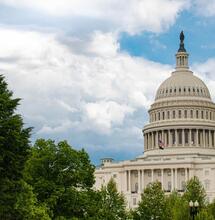
Following more than 29,000 marijuana-related arrests in 2025, new legislative proposals in Austin aim to legalize adult possession, home cultivation, and retail cannabis sales. Photo by Megan Bucknall on Unsplash
For years, Texas has stood out as one of the strictest states in the country when it comes to cannabis enforcement, and one of the most reluctant to modernize its laws. Now, with a wave of newly pre-filed legislation and a dramatic shift in state leadership, reform advocates are asking whether 2027 could finally mark a turning point for the Lone Star State.
Ahead of the 90th Texas legislative session, which convenes on January 12, Democratic lawmakers in both chambers have introduced a slate of bills aimed at dismantling prohibition and expanding patient protections.
What Are the New Adult-Use Legalization Bills in Texas?
At the center of the push are two House measures, HB 362 and HB 369, collectively titled the Texas Regulation of Cannabis Act, alongside a Senate companion bill, SB 237.
If enacted, the legislation would establish a regulated adult-use cannabis market across Texas for residents aged 21 and older. Key provisions in the proposals include:
- Personal possession: Adults 21 and older would be permitted to possess up to 10 ounces of cannabis.
- Home cultivation: Individuals could grow up to 12 cannabis plants for personal use.
- Licensed retail sales: Commercial cultivation, distribution, and retail sales would be licensed, regulated, and taxed by the state.
Alongside full adult-use legalization, House lawmakers also pre-filed two targeted reform measures:
- HB 330, which would broaden patient access to medical cannabis products under the existing Texas Compassionate Use Program.
- HB 507, which would bar employers from discriminating against workers enrolled in the state’s medical marijuana program or penalizing employees solely for testing positive for cannabis metabolites.
Why Texas Faces Mounting Pressure to Overhaul Its Cannabis Laws?
The urgency behind these proposals comes down to enforcement numbers. According to data highlighted by NORML, Texas police made more than 29,000 marijuana-related arrests in 2025, which accounts for roughly 14 percent of all cannabis arrests nationwide.
Even more striking, 98 percent of those Texas arrests involved simple possession rather than trafficking or distribution. Under current state law, low-level cannabis possession remains a criminal misdemeanor carrying up to 180 days in jail and a $2,000 fine.
“There is arguably no other state in the nation in greater immediate need of marijuana law reform than the Lone Star State,” NORML Deputy Director Paul Armentano said. “Year after year, Texas leads the nation in low-level marijuana-related arrests.”
Could New Leadership in Austin Tip the Scales in 2027?
In past legislative sessions, cannabis reform bills regularly cleared early hurdles in the Texas House only to stall in the Senate under former Lt. Gov. Dan Patrick. That dynamic looks markedly different heading into the New Year.
Texas’ incoming governor, lieutenant governor, and attorney general have all expressed openness to changing the state’s cannabis policies. Gov.-elect Gina Hinojosa has criticized the state’s harsh felony penalties on hemp-derived products and pledged to let Texas voters have a direct say on legalization. Meanwhile, Lt. Gov.-elect Vikki Goodwin, who will preside over the Senate, has questioned the legitimacy of regulator-enacted felony penalties targeting hemp-derived goods.
While passing comprehensive legalization through a divided legislature is never guaranteed, the combination of pre-filed adult-use bills, staggering arrest statistics, and reform-minded incoming executives gives Texas advocates their strongest opening in years.
Read more from Soft Secrets:
Does a Democratic Congress Bring Federal Marijuana Legalization Closer?
Massachusetts Overwhelmingly Rejects Cannabis Repeal Measure
Disclaimer: Content published here is strictly for journalistic and/or educational purposes and should not replace professional medical or legal advice.
S
Stephen Andrews