Cannabis Allergy: Symptoms and Food Cross-Reactions
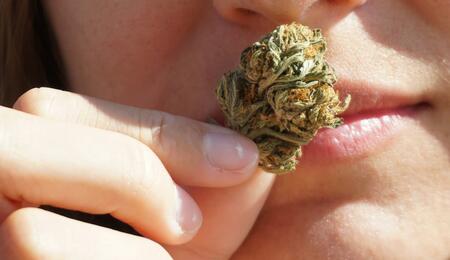
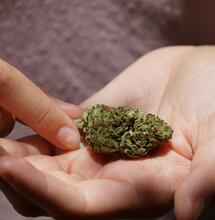
Understanding how the body reacts to cannabis pollen, plant proteins, and raw buds is essential for recognizing and managing weed allergies safely. Photo by Elsa Olofsson on Unsplash
Cannabis can trigger more than the familiar effects of THC. Some people develop allergic reactions after touching the plant, inhaling airborne material, or consuming cannabis or hemp products. Symptoms range from sneezing and itchy eyes to hives and, in rare reported cases, severe systemic reactions.
The true prevalence of cannabis allergy remains unknown, and diagnosing it can be challenging. For people who use cannabis, handle raw plants, or work in cultivation and processing, recognizing the possible symptoms is a useful first step. Research reviews have also documented cross-reactions between cannabis and certain plant foods, adding another layer to the subject.
What Triggers a Cannabis Allergy?
A true allergy occurs when the immune system reacts to a substance it mistakenly identifies as harmful. In cannabis allergy, certain plant proteins can trigger this response. Researchers have identified several potential allergens, including proteins known as nonspecific lipid transfer proteins and profilins. Their importance can vary between individuals and populations.
Exposure can happen through direct contact with plant material, inhalation of airborne particles, or ingestion of cannabis and hemp products. Cannabis pollen may also cause symptoms in sensitized individuals. Repeated exposure is a particular concern in occupational settings, although the extent to which workplace exposure increases the risk of developing an allergy remains unclear.
How Cannabis Allergy Can Show Up
Symptoms depend partly on how exposure occurs. They can affect the respiratory system, skin, or digestive tract, and may resemble other allergies or forms of irritation.
Inhalation
Breathing in airborne cannabis particles or pollen may cause:
- Sneezing, a runny or blocked nose
- Itchy, red, or watery eyes
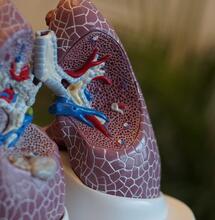
- Coughing or wheezing
These symptoms can resemble seasonal allergies or asthma, making the underlying cause difficult to identify.
Skin Contact
Handling cannabis leaves, flowers, or other plant material can trigger:
- Itching or redness
- Hives or localized swelling
- Skin inflammation or contact dermatitis
Not every skin reaction is an allergy. Plant material, dust, and other substances encountered during handling can irritate the skin without involving an allergic immune response.
Ingestion
Consuming cannabis or hemp products may cause:
- Itching or tingling in the mouth
- Swelling of the lips or tongue
- Abdominal discomfort or other gastrointestinal symptoms
More serious reactions have also been reported, although their frequency is unknown. Difficulty breathing, throat or tongue swelling, faintness, or a rapidly developing reaction affecting several parts of the body may indicate anaphylaxis and require immediate emergency medical attention.
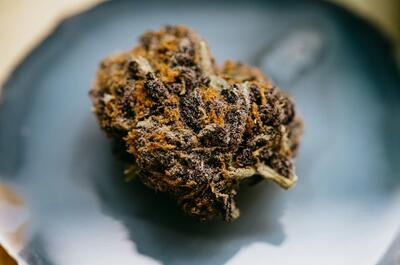
Commercial trimmers and growers face increased exposure to airborne plant particles, making protective gear and proper ventilation vital in cultivation spaces. Photo by Sinitta Leunen on Unsplash
Cannabis-Plant Food Syndrome: Why Some Foods Trigger Reactions
Cannabis allergy can be associated with cross-reactivity to certain plant foods. This happens when the immune system recognizes similar proteins in different plants. The condition is sometimes described as cannabis-fruit/vegetable syndrome or cannabis-associated food allergy syndrome, although terminology varies across the medical literature.
Reported cross-reactive foods include peaches, tomatoes, apples, bananas, hazelnuts, chestnuts, and other fruits, vegetables, and nuts. Reactions involving natural latex, tobacco, and some plant-derived alcoholic beverages have also been described. The specific foods involved depend on the allergens to which a person is sensitized.
These associations do not mean that everyone with a cannabis allergy will react to the foods listed, or that every food reaction points to cannabis sensitization. Some people may already be allergic to particular foods or pollen, and similar symptoms can have different causes. Cross-reactivity should therefore be assessed in the context of an individual’s symptoms and medical history rather than assumed from a list of potentially related plants.
Allergy, Mold, or Irritation?
Symptoms after cannabis exposure do not always indicate an allergy to the plant itself. Mold, dust, and other airborne particles can irritate the respiratory tract or provoke symptoms in people with existing allergies or asthma. Cannabis samples can contain fungal contaminants, including Aspergillus, which may pose additional concerns for people with weakened immune systems. Finding mold in cannabis, however, does not establish that it caused a particular person’s symptoms.
Chemical exposures may also play a role. Some substances encountered during cultivation, processing, or handling can irritate the skin, eyes, and airways. Terpenes and their oxidation products may cause irritation or sensitization in some circumstances, but the evidence does not support treating every reaction to cannabis aroma as an allergy. Pesticide residues may also cause adverse effects depending on the substance and level of exposure.
The timing of symptoms, the type of exposure, and the environment in which the reaction occurs can help distinguish among these possibilities. An allergist or other qualified healthcare professional can help investigate persistent or recurring symptoms.
Cannabis Allergy at Work: Reducing Exposure
People who cultivate, harvest, trim, process, or package cannabis may encounter repeated exposure to plant material, pollen, and airborne dust. Occupational studies have documented allergic symptoms among some workers, but the overall prevalence and individual risk factors remain uncertain.
Workplace controls should aim to reduce exposure at its source. Appropriate ventilation, dust-control measures, and suitable respiratory protection can help limit inhalation of airborne particles. Gloves, protective clothing, and eye protection may reduce direct contact, depending on the task and the hazards involved. Respiratory protection should be selected for the specific workplace risks and used in accordance with applicable safety requirements.
Employers should also provide training, assess exposure risks, and establish procedures for cleaning and handling plant material. Workers who develop recurring respiratory or skin symptoms should seek medical evaluation rather than relying on protective equipment alone.
Diagnosing and Managing Cannabis Allergy
Diagnosis relies on a medical history and, where appropriate, allergy testing. Skin and blood tests for cannabis allergy have limitations, so results need to be interpreted by a qualified healthcare professional.
Avoiding the exposure responsible for a confirmed allergy is central to management. Treatment depends on the symptoms, and switching to another cannabis product or consumption method cannot be assumed to be safe. People at risk of severe reactions should discuss an emergency action plan with their healthcare professional. Suspected anaphylaxis requires immediate emergency treatment.
Read more from Soft Secrets:
Disclaimer: Content published here is strictly for informational purposes and should not replace professional medical or legal advice.
S
Soft Secrets