Hemp Seeds vs. Chia Seeds: Which Is Right for Your Diet?
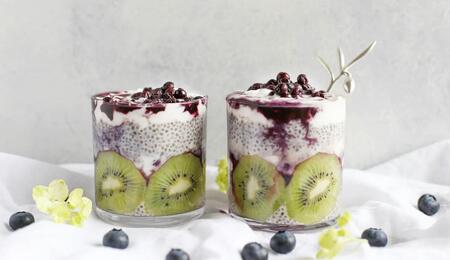
Highly absorbent and packed with dietary fiber, chia seeds form a gelatinous texture when soaked in liquids. Photo by Brenda Godinez on Unsplash
Chia seeds and hemp seeds are frequently used in healthy diets to increase nutrient density. Both are common additions to oatmeal, smoothies, and salads, but they differ significantly in their nutrient profiles, how they are used in food, and their overall health benefits.
Nutritional Breakdown: Protein and Fiber Differences
While both hemp and chia seeds contain healthy fats, essential minerals, and plant-based protein, their primary nutritional strengths vary:
- Protein Content: Hulled hemp seeds (hemp hearts) are a complete protein source containing all nine essential amino acids. A standard three-tablespoon serving (30 grams) provides approximately 9 to 10 grams of protein. In comparison, an equivalent serving of chia seeds provides roughly 5 grams of protein.
- Dietary Fiber: Chia seeds are notably higher in dietary fiber. A 30-gram serving delivers nearly 10 grams of fiber, a large portion of which is soluble fiber that forms a gel when mixed with liquid. Hulled hemp seeds contain considerably less fiber (1 to 2 grams per serving) because the fibrous outer shell has been removed.
- Fatty Acid Profile: Both seeds contain omega-3 and omega-6 fatty acids. Hemp seeds feature an omega-6 to omega-3 ratio of roughly 3:1 and contain gamma-linolenic acid (GLA). Chia seeds contain higher absolute amounts of alpha-linolenic acid (ALA), a plant-based omega-3 fatty acid.
- Mineral Content: Hemp seeds are notable sources of magnesium, iron, zinc, and phosphorus. Chia seeds provide significant amounts of calcium, phosphorus, manganese, and selenium.
Health Benefits from Hemp and Chia Seeds
Incorporating either seed into a diet provides targeted health benefits. From digestive support to cardiovascular function, each seed acts on distinct physiological pathways.
- Cardiovascular Support: The plant-based omega-3s (ALA) in chia seeds and the healthy fatty acids (GLA) and amino acids (arginine) in hemp seeds contribute to cardiovascular health by supporting healthy lipid levels and blood vessel function.
- Digestive Function: The high soluble fiber content in chia seeds aids bowel regularity and supports gut microbiota.
- Glycemic Control: Soluble fiber in chia seeds slows gastric emptying, which can help moderate post-meal blood sugar levels.
- Musculoskeletal Support: The protein density in hemp hearts supports muscle tissue maintenance and repair.
Kitchen Uses and Daily Preparation
Due to structural differences, hemp and chia seeds behave differently when combined with other ingredients:
- Using Hemp Seeds:
- Raw hemp hearts have a mild, nutty flavor and a soft texture. They can be sprinkled directly onto salads, yogurt, toast, or cereal.
- They blend smoothly into dressings and liquids without altering viscosity.
- Using Chia Seeds:
- Chia seeds absorb up to 10–12 times their weight in liquid, creating a thick, gelatinous texture used to make chia pudding.
- Mixed with water (typically 1 tablespoon of chia seeds to 3 tablespoons of water), they form a binding gel often used as an egg substitute in plant-based baking.
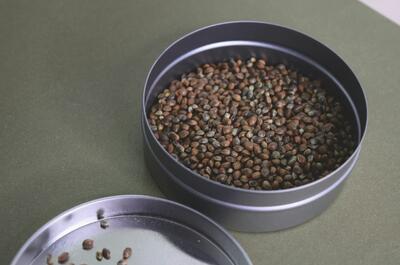
Rich in essential fatty acids and minerals, whole hemp seeds feature a crunchy outer shell that protects their inner nutrients.
Potential Adverse Effects and What Happens If You Overconsume
Excessive intake of either seed can cause gastrointestinal or metabolic discomfort:
- Gastrointestinal Issues from Chia Seeds: Consuming large quantities of chia seeds without sufficient fluid intake can lead to gas, bloating, stomach cramps, or bowel discomfort due to their rapid water absorption and high fiber density.
- Caloric Density of Hemp Seeds: Hemp hearts are energy-dense due to their high fat content (approx. 14 grams per serving). Consuming large amounts regularly can significantly increase daily calorie and fat intake, and may cause soft stools in sensitive individuals.
Contraindications and Safety Precautions
In specific health scenarios, consumption of chia or hemp seeds should be limited or avoided:
- Swallowing Difficulties (Dysphagia): Dry chia seeds present a serious choking and esophageal blockage hazard. If swallowed dry and followed by water, they can expand in the esophagus. Individuals with dysphagia or esophageal narrowing should only consume chia seeds that have been fully pre-soaked in liquid.
- Blood Thinners and Anticoagulants: Hemp seeds contain compounds that may slow blood clotting. Individuals taking anticoagulant medications (such as warfarin) should consult a healthcare provider before regularly consuming large amounts of hemp seeds.
- Gastrointestinal Conditions: Individuals experiencing acute flare-ups of inflammatory bowel conditions (e.g., Crohn’s disease, diverticulitis, or IBS) may need to temporarily limit high-fiber foods like chia seeds to prevent intestinal irritation.
In short, neither seed is inherently superior; both bring valuable health benefits to the table. Choosing the right one comes down to your personal wellness goals, whether you are looking to boost daily fiber intake or add clean plant protein to your meals.
Read more from Soft Secrets:
Disclaimer: This article is intended solely for general educational and informational purposes and does not constitute medical or nutritional advice. Consult a healthcare professional before making significant changes to your diet or if you are managing a medical condition.
S
Stephen Andrews