2,800-Year-Old Siberian Cannabis Seeds May Unlock Domestication Secrets
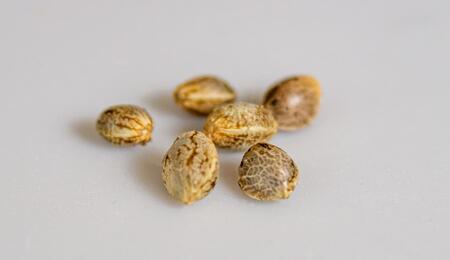
Radiocarbon-dated to 2,800 years ago, a cache of ancient seeds discovered in a Siberian burial mound may provide a rare chance into how cannabis was domesticated. Photo by Derrick Brown on Pexels
Cannabis has been part of human history for thousands of years, but how people first domesticated the plant remains a mystery. Now, an extraordinary archaeological discovery in Siberia could help researchers piece together some of the missing details.
More than 1,000 cannabis seeds recovered from an ancient burial mound have survived for nearly 2,800 years, and scientists believe their unusually well-preserved DNA may offer valuable insights into the plant’s evolution and spread.
The discovery is remarkable not only for its age but also for the opportunity it presents. By studying the genetic material preserved in these tiny seeds, researchers may eventually learn more about how wild cannabis populations developed into the varieties cultivated by humans today.
A Cannabis Discovery Hidden in an Ancient Siberian Tomb
The seeds were discovered at Tunnug 1, an archaeological site in the Republic of Tuva, southern Siberia. The location is part of a region sometimes called the Valley of the Kings, known for its monumental burial mounds associated with ancient Scythian cultures.
The excavation uncovered a princely tomb dating to the early eighth century BCE. Alongside human remains, weapons, ornaments, horse equipment, and evidence of elaborate burial rituals, archaeologists recovered an impressive quantity of cannabis seeds.
Researchers identified more than 1,000 seeds, many of which were remarkably intact. Radiocarbon dating placed the samples in the early eighth century BCE, making them approximately 2,800 years old.
The sheer abundance of cannabis seeds suggests that the plant held some significance for the people responsible for the burial. However, seeds alone cannot reveal whether cannabis was included for its practical uses, such as producing oil, or for its psychoactive properties.
“We have dozens of horse sacrifices and perhaps human sacrifices as well,” Gino Caspari, the archeologist behind the discovery, told Newsweed. “Perhaps the sacrificial victims buried with the burial mound were pacified with cannabis before misfortune befell them.”
A study published in Science on November 5, 2026, added another intriguing dimension to the discovery. Researchers also detected chemical traces associated with cannabis intoxication in preserved human hair from the tomb. The findings provide what the team describes as the oldest directly dated evidence of cannabis use for its intoxicating effects.
“The moment of the discovery was truly extraordinary,” Caspari said. “When you realize that you’re holding absolutely unique evidence in your hands, it’s something that doesn’t happen very often in an archeologist’s career.”
What Ancient Cannabis Seeds Can Tell Us
The Siberian seeds appear to resemble wild cannabis more closely than modern domesticated varieties. This distinction is important because domestication involves generations of human selection, gradually influencing a plant’s characteristics.
Over time, cannabis cultivation has produced varieties selected for different purposes, including fiber, seed production, and cannabinoid content. Yet the precise pathways through which these changes occurred remain difficult to reconstruct.
Ancient plant remains can provide a snapshot of cannabis before some of these transformations took place. Genetic analysis may help researchers identify how the plants were related to other populations and whether they belonged to lineages that contributed to later domesticated varieties.
The seeds from Tunnug 1 are particularly promising because their DNA has been exceptionally well preserved. According to the University of Bern research team, genetic sequencing of some samples has already begun.
Cannabis domestication likely unfolded over thousands of years, with East Asia considered an important region in the plant’s early cultivation for seeds and fiber. As humans moved and exchanged crops across Eurasia, different cannabis populations developed, eventually giving rise to varieties selected for distinct purposes.
Nearly 2,800 years after they were buried in the Siberian steppe, these tiny seeds may finally get the chance to tell their story.
Read more from Soft Secrets:
S
Stephen Andrews