Scorching Skies: Heat Stress and Watering Tips for Cannabis
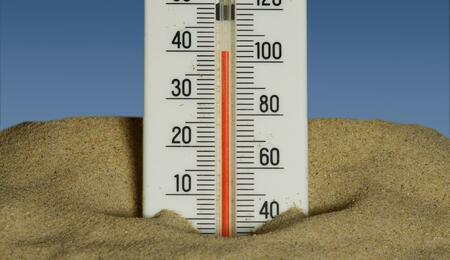
As temperatures climb, cannabis plants must work harder to regulate water loss, making timely irrigation and heat management essential for healthy growth
Heatwaves are becoming longer, more frequent, and more intense across many cannabis-growing regions. While cannabis is generally considered a warm-season crop, prolonged exposure to high temperatures can dramatically reduce yields, terpene production, and overall plant health. Understanding how heat and water stress affect cannabis—and how to respond before visible damage appears—can make the difference between a successful harvest and a disappointing one.
The Double Threat of Summer: Thermal and Hydrological Stress
Rising global temperatures have made extreme summer heatwaves a critical challenge for cannabis growers around the world. Whether operating a commercial greenhouse in California, an outdoor plot in southern Europe, or a boutique indoor facility, extreme atmospheric conditions present a dual threat: extreme heat and water stress.
When ambient temperatures climb past the optimal threshold, a plant’s metabolic efficiency begins to decline. When coupled with inadequate or improper moisture management, the crop becomes more susceptible to irreversible cellular damage. Understanding the physiological mechanics of these two stressors is the first step toward saving your harvest.
1. Extreme Heat: The Mechanics of Thermal Stress
Cannabis thrives in warm environments, but temperatures consistently exceeding 85°F (29°C) outdoors or 80°F (26°C) indoors may trigger a state of survival rather than growth. Even heat-tolerant genetics have their limits, so don’t rely on good genes alone to protect your crop.
Photosynthetic Stagnation
Elevated temperatures reduce photosynthetic efficiency by increasing photorespiration and decreasing the effectiveness of enzymes such as Rubisco, while stomatal closure limits carbon dioxide availability. Instead of converting light into chemical energy, the plant expends its resources simply trying to stay cool. Ultimately, prolonged heat slows down growth; it can reduce terpene retention and alter cannabinoid development, affecting aroma, flavor, and overall flower quality.
Stomatal Closure and Visual Cues
To prevent rapid moisture loss, cannabis plants close their stomata (the microscopic pores on the leaves). While this preserves water, it halts the uptake of carbon dioxide (CO2), which can starve the plant.
- Early signs: Margins of the leaves will begin to curl upward, taking on a canoe-like appearance.
- Late-stage signs: Chlorophyll breaks down, causing bleaching, necrotic brown spots, and fan leaves dropping prematurely.
Extreme Heat Mitigation Strategies
- Shade Cloths (Outdoor/Greenhouse): Deploying a 30% to 40% shade cloth during peak sunlight hours (11:00 AM to 3:00 PM) reduces ambient leaf temperature without completely blocking essential light spectrums.
- Micro-Climate Cooling: For outdoor growers, misting systems can lower ambient temperatures, provided the humidity levels do not invite fungal pathogens like powdery mildew. Indoors, increasing airflow and utilizing air conditioning may be necessary to keep canopy temperatures within the optimal range.
- Silica Supplementation: Potassium silicate can improve cell wall strength and help plants withstand thermal stress, although responses vary depending on the cultivar and growing conditions.
Extreme heat doesn't just make plants wilt—it changes how they photosynthesize, use water, and grow. Source: Global News on YouTube
2. Water Stress: Challenges with Transpiration and Substrate Drying
Heat and water are intrinsically linked. As temperatures rise, the Vapor Pressure Deficit (VPD) widens, causing the air to pull moisture out of both the soil and the leaves at an accelerated rate.
The Transpiration Trap
Plants cool themselves through transpiration, which is essentially sweating. Water is pulled from the roots up through the xylem and evaporated out of the leaves. During a heatwave, a plant can transpire faster than its root system can absorb water, leading to acute water stress.
Root Zone Desiccation
In outdoor or container setups, intense solar radiation bakes the substrate. When the root zone dries out completely, the delicate root hairs may become severely dehydrated and damaged, reducing the plant’s ability to absorb water and nutrients. This can lead to several problems, such as severe wilting or nutrient lockout. Damaged roots are also more vulnerable to opportunistic pathogens and root rot (Pythium) if overly wet conditions follow.
Water Stress Mitigation Strategies
- Deep Mulching: Apply a 2- to 3-inch layer of organic mulch (straw, wood chips, or rice hulls) over the topsoil. This insulates the root zone, lowers soil temperature, and may reduce evaporation by 50% and more.
- Strategic Watering Windows: Avoid watering during the hottest part of the day, because much of the water will evaporate before being able to reach the roots. In addition, wet foliage may contribute to disease development. Water deeply in the early morning before sunrise, allowing the plant to fully hydrate ahead of the daily heat spike.
- Aqueous Root Insulation: For container grows, switch from black plastic pots (which absorb heat) to fabric smart pots or white containers. Elevate them off hot concrete or ground surfaces to allow airflow underneath the root zone.
Cultivating Resilience in a Changing Climate
Managing a cannabis canopy through a severe summer requires a proactive approach. By treating heat and water stress as distinct yet overlapping operational hazards, growers can implement defensive protocols before damage occurs. Monitor your local weather forecasts, maintain a strict watering schedule, protect your soil microbiology from solar baking, and give your plants the environmental support they need to survive the peak of summer.
Read more from Soft Secrets:
Disclaimer: This article is intended strictly for educational and informational purposes. Cultivators must always operate in compliance with their local, state, and federal regulations regarding cannabis production.
S
Soft Secrets