Maximum Indoor Flower Development & Terpene Optimization
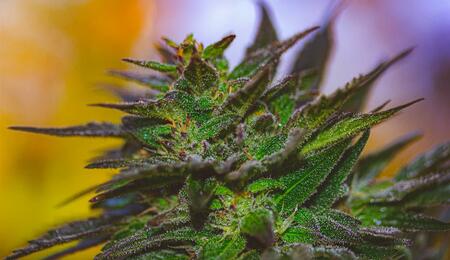
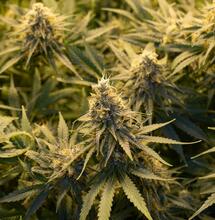
Optimizing light spectrums, root-zone EC, and late-bloom temperatures ensures maximum flower density and terpene retention. Photo by Chris Lillie on Unsplash
Maximizing both yield density and fragrance in an indoor cannabis grow environment requires balancing high-intensity light and nutrient delivery with precise environmental stress management. High terpene concentration depends heavily on protecting volatile compounds from heat degradation while driving maximum resin production. In this guide, we take a look at five key points that can help you boost cannabis flower and terpene production.
1.Light Spectrum & Photoperiod Manipulation
One of the first priorities is ensuring the lights are set correctly. Light intensity drives flower bulk, while light quality governs trichome and terpene synthesis.
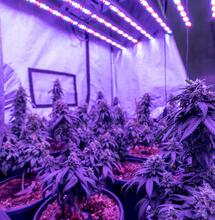
- PPFD and DLI Targets: Aim for a Photosynthetic Photon Flux Density (PPFD) of 800–1,000 µmol/m²/s during peak bloom without CO2, or up to 1,200–1,500 µmol/m²/s if supplementing CO2 at 1,200–1,500 ppm.
- UVA/UVB Exposure: Introducing UVA (315–400 nm) and low-dose UVB (280–315 nm) during the last 3–4 weeks of flowering can stimulate cannabis trichome production. The plant will increase resin and protective secondary metabolites as a natural defense against UV stress.
- Far-Red Suppression at Finish: While far-red (730 nm) aids stretch and canopy structure early in bloom, turning off or reducing far-red spectrum during late flower should prevent unwanted foliage growth or shade-avoidance responses.
2. Temperature & Vapor Pressure Deficit (VPD) Control
Terpenes—primarily monoterpenes and sesquiterpenes—are highly volatile compounds that evaporate rapidly at elevated temperatures. Therefore, controlling the canopy temperature of the cannabis plant during its final ripening stage is critical for retaining fragrance.
- Late-Bloom Temperature Drop: Lower day temperatures to 68–72°F (20–22°C) during the final 14–21 days before harvest. Lowering night temperatures down to 60–65°F (15–18°C) further preserves volatile terpenes and can trigger late-stage anthocyanin (purple) expression, but this also depends on the strain.
- Canopy vs. Ambient Temp: You can measure leaf temperature using an infrared thermometer. Under high-intensity LEDs, leaf temperatures run cooler than ambient air, whereas under HPS, canopy temperatures run warmer due to radiant heat.
3. Cannabis Nutrition Regimen: P/K Ratios & Sulfur
What nutrients are fed to the plant also adds to the equation for solid flower and terpene development. Bulking the flower requires phosphorus (P) and potassium (K), but fragrance synthesis also depends on secondary elements like sulfur (S).
- Phosphorus & Potassium Timing: Increase K levels during mid-to-late bloom to facilitate carbohydrate transport and swell flower sites. Keep nitrogen (N) low to prevent a harsh, leafy finish and chlorophyll retention.
- Sulfur for Terpenes & Volatile Sulfur Compounds (VSCs): Sulfur is essential for sulfur-containing volatile compounds and key metabolic enzymes/amino acids, including those compounds responsible for skunky, gas, and pungent aromas. Supplementing magnesium sulfate (MgSO4 / Epsom salt) or sulfur-rich organic inputs in mid-to-late bloom should meaningfully support terpene production and overall plant health.
- Micro-Tapering (Flush / Ripening Phase): Rather than a harsh 14-day plain water flush, a gradual reduction of electrical conductivity (EC) over the final 7–10 days of flower will encourage the plant to consume internal nutrient reserves and prevent excess salt build-up in the substrate.
4. Controlled Dry-Back & Mild Root Stress
Managing irrigation frequency during late bloom will signal the cannabis plant to accelerate secondary metabolite production.
- Generative Steering: Transition from high-frequency, low-volume irrigations (vegetative steering) to larger, less frequent watering events with greater dry-backs (generative steering).
- Late-Stage Dry-Back: Allow the root zone to dry down slightly further during the final 10 days to induce mild osmotic stress. This triggers stress-response mechanisms that increase trichome head size and terpene output without causing physical foliage damage.
5. Environmental Preservations at Harvest
Weeks of terpene accumulation in the grow room can quickly evaporate during the final 48 hours and drying process if ambient conditions are poorly managed. However, it shouldn’t come to that if you handle the situation well.
- Dark Period Before Cut: Many cannabis growers utilize a 24- to 48-hour dark period prior to harvest to minimize light-induced terpene degradation and allow plant tissue to cool before cutting.
- Cool Harvest Window: Harvest early in the light cycle (or immediately following the dark period) when plant tissue and ambient room temperatures are at their lowest point.
Final Thought
Maxing out flower bulk means very little if volatile terpenes are lost before harvest. By tailoring spectrum, dialing in late-stage temperatures, and balancing nutrient inputs through the final weeks, cannabis growers can successfully optimize both flower weight and maximum fragrance expression.
Happy growing!
Read more from Soft Secrets:
Disclaimer: This article is intended strictly for educational and informational purposes. Growers must always comply with their local, state, and federal regulations regarding cannabis cultivation.
S
Soft Secrets