Can CBD Help with Heart Arrhythmia?
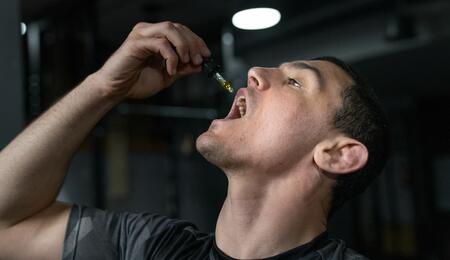
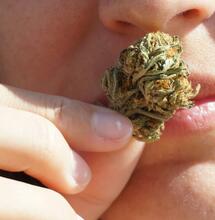
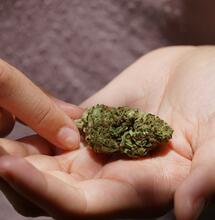
While lab models suggest CBD possesses anti-inflammatory properties, human clinical trial data on its efficacy for heart arrhythmia remains missing. Photo by CrystalWeed Cannabis on Unsplash
Heart arrhythmia, an irregular, abnormally fast, or unusually slow heartbeat, affects millions worldwide. While traditional anti-arrhythmic medications are widely prescribed, their potential side effects have led many patients to explore natural alternatives, including cannabidiol (CBD).
While early lab models sparked interest in CBD’s potential cardiac benefits, modern cardiology research presents a nuanced picture of promise, caution, and drug interaction risks worth-your-attention.
What Early Preclinical Research Revealed
Interest in CBD for cardiac health originally grew from preclinical rodent studies examining heart damage caused by ischemia-reperfusion injuries (when blood supply returns after a period of lack of oxygen). In animal models, acute administration of CBD demonstrated notable cardioprotective effects:
- Reducing Tissue Inflammation: CBD reduced oxidative stress and localized tissue damage following simulated heart events.
- Calming Unstable Heart Rhythms: In controlled animal studies, pre-treatment with CBD helped diminish the incidence of ischemia-induced ventricular arrhythmias.
- Vascular Relaxation: Preclinical trials showed CBD induced vasorelaxation in isolated blood vessel preparations, reducing arterial tension.
However, researchers caution that animal studies cannot fully replicate the complex system of the human heart, leaving a gap between lab findings and clinical care.
Can CBD Treat Arrhythmia? What Human Studies Show
Extensive systematic reviews and presentations before organizations like the American College of Cardiology highlight that there are currently no published, high-quality human randomized controlled trials (RCTs) demonstrating that CBD can safely treat or prevent cardiac arrhythmias in humans.
While CBD exhibits favorable anti-inflammatory properties, cardiologists caution against using non-prescription cannabinoids for heart rhythm disorders due to two major factors:
- Possible Impact on Heart Rhythm Channels: Lab tests show that high doses of CBD can block specific electrical channels in heart cells. When these channels are blocked, the heart takes longer to reset between beats, a condition known as QT prolongation. For certain vulnerable individuals, this delay could actually trigger irregular heartbeats rather than prevent them.
- Lack of Standardized Dosing & Purity: Commercially available CBD oils and tinctures vary significantly in actual potency, and unverified products may contain trace amounts of THC or chemical contaminants that can exacerbate heart rate fluctuations.
How CBD Interacts with Heart Medications
For individuals already managing heart conditions or taking prescribed anti-arrhythmic drugs, CBD poses a certain risk of metabolic interaction.
The liver uses a specific group of enzymes to break down both CBD and prescription heart drugs, including blood thinners, beta-blockers, and calcium channel blockers. When CBD competes for these same pathways, it can prevent your body from processing your medication properly. This can lead to higher levels of the drug in your system than your doctor intended.
The Bottom Line
While preclinical research suggests CBD possesses anti-inflammatory and cardioprotective mechanisms, it is not an established or recommended treatment for heart arrhythmia. Anyone experiencing irregular heartbeats should avoid self-treating with cannabinoids and consult a cardiologist before introducing CBD into their routine.
Read more from Soft Secrets:
Disclaimer: This article is for informational and educational purposes only and does not constitute medical advice. Always consult a qualified healthcare provider or cardiologist before starting any new supplement or altering your current prescription treatment.
S
Stephen Andrews