5 Misconceptions About CBD
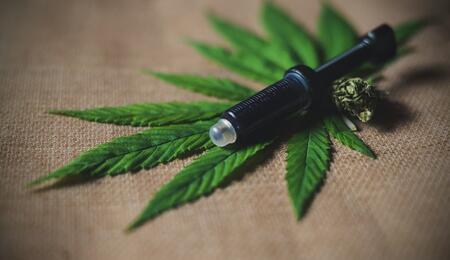
Despite its popularity today, CBD wasn’t isolated by scientists until 1940, and researchers are still uncovering how exactly it interacts with our body.
CBD has gone from a niche cannabinoid to a household name over the past decade. It’s found in everything from oils and gummies to skincare products and beverages. Despite its popularity, plenty of myths still surround cannabidiol.
Here are five of the most common misconceptions about CBD, and what current research actually says.
1. Only CBD Gives Cannabis Medical Value
CBD receives most of the attention when people discuss the therapeutic potential of cannabis, but it isn’t the only cannabinoid researchers are interested in.
THC is best known for producing the cannabis “high,” yet it has also been studied and used for a number of medical applications, including pain relief, nausea associated with chemotherapy, muscle spasticity, and appetite stimulation in certain patients. Beyond CBD and THC, cannabis contains more than a hundred cannabinoids, along with terpenes and other compounds that researchers continue to investigate for their full medicinal potential.
2. CBD Always Works Best Without THC
Because CBD is non-intoxicating, many people assume it works best on its own. In reality, the answer isn’t that simple.
Some studies as well as anecdotal evidence show that CBD and THC complement each other when used together, which is also known as the entourage effect. However, research is still ongoing, and the optimal combination depends on the condition that is being treated and the individual using it. For people who wish to avoid intoxication, CBD-only products remain a popular go-to choice.
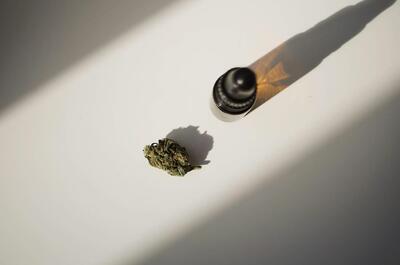
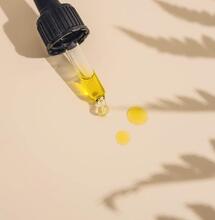
CBD oil has earned a place on millions of shelves, but the best bottle isn’t always the one with the loudest label. Photo by Cosmin Ursea on Unsplash
3. CBD Can Cure Almost Anything
CBD has been investigated for a wide range of potential health applications, but it is not a miracle cure.
While research has produced encouraging results in some areas, evidence remains limited or inconclusive for many of the claims found online. It’s important to separate promising early research from proven medical treatments and to approach products that promise to “cure everything” with healthy skepticism.
4. More CBD Is Always Better
When it comes to CBD, more isn’t necessarily better.
The ideal dose varies from person to person and depends on factors such as body weight, the product being used, and the reason for taking it. Some people respond well to relatively low doses, while others may require more. Starting with a low dose and increasing gradually is generally considered the most sensible approach.
5. All CBD Products Are the Same
Not all CBD products are created equal.
CBD can be extracted from both hemp and cannabis plants, and product quality varies considerably between manufacturers. Factors such as cultivation methods, extraction techniques, third-party laboratory testing, and accurate cannabinoid labelling all influence the final product. Choosing products that provide independent certificates of analysis (COAs) is one of the best ways to verify what’s actually inside the bottle.
One thing isn’t a misconception, though: home-grown CBD-rich cannabis still beats clever marketing—provided it’s legal where you live.
Read more from Soft Secrets:
S
Soft Secrets