High Temps, High THC: Is Your Heart Working Too Hard?
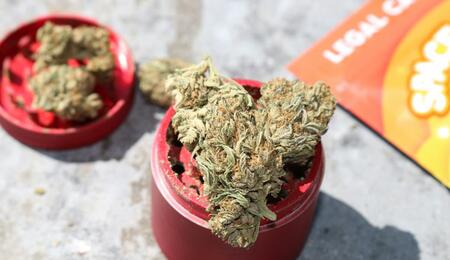
Extreme heat and high-THC cannabis both widen blood vessels, forcing your heart to work harder to maintain blood pressure. Photo by Elsa Olofsson on Unsplash
With summer temperatures regularly breaking records, heatwaves are no longer just an inconvenience—they are a genuine threat to your health. While most people know to stay hydrated and seek shade, few consider how high ambient heat interacts with their cannabis routine.
If you’ve ever felt unusually lightheaded, dizzy, or flushed after a session on a hot summer day, you aren’t imagining it. Both extreme heat and tetrahydrocannabinol (THC) put distinct demands on your cardiovascular system. When combined, they put extra strain on your heart—requiring a smart, harm-reduction approach.
Here is what is happening under the hood when heat and cannabinoids mix, and how to adjust your sessions safely.
Heat and THC: How Your Body Reacts
To understand why summer sessions hit differently, it helps to look at how your body responds to both environmental heat and THC individually.
1. How Heat Affects Your Heart
When the ambient temperature spikes, your body fights to keep its core temperature at a stable 37°C (98.6°F). To dump excess heat, your brain signals your blood vessels near the skin to expand (vasodilation). This redirects blood flow outward, which may cause your heart to beat faster and pump harder to maintain blood pressure.
2. How THC Affects Your Heart
THC interacts directly with CB1 receptors in your nervous system and vascular walls. Within minutes of consuming, THC can cause your resting heart rate to jump by 20 to 50 beats per minute. At the same time, it can cause a sudden drop in blood pressure, especially when moving from sitting to standing (orthostatic hypotension).
The Compound Effect
When you consume high-THC cannabis in 35°C+ (95°F+) heat, these two processes stack:
- Accelerated Heart Rate: Your heart faces a dual workload—once to cool your body, and once in response to THC.
- Blood Pressure Dips: Simultaneous vasodilation from heat and THC can make sudden blood pressure drops much more serious.
- Dehydration Strain: Heat causes fluid loss through sweat, reducing overall blood volume. Thinner blood volume forces an already racing heart to work even harder.
This combination may also help explain why “greening out” or feeling faint happens far more easily under a blazing sun than in an air-conditioned room.
Heat Exhaustion vs. “Greening Out”: Spotting the Difference
Because heat illness and a bad cannabis reaction share very similar warning signs, it helps to know what your body is telling you—and how to respond accordingly:
- Early Heat Exhaustion
- What it looks like: Heavy sweating, pale or clammy skin, and nausea.
- What to do: Move to an air-conditioned room quickly, elevate your feet, and sip cool water.
- Sudden Blood Pressure Dips (THC + Heat)
- What it looks like: Dizziness, lightheadedness, or feeling like the room is spinning when you stand up.
- What to do: Stay seated until you feel stable, drink fluids, and take deep, slow breaths.
- High-THC Overconsumption (“Greening Out”)
- What it looks like: A racing heartbeat, sudden anxiety, cold chills, or paranoia.
- What to do: Head to a cool, dark space, stay seated, splash cool water on your face and neck, and stick with friends who can help you stay calm until it passes.
When it’s a medical emergency: In case someone has hot, red, or dry skin (no sweating), seems confused, or loses consciousness, this is Heat Stroke. Skip the home remedies and seek emergency medical care immediately.

Staying in the shade, hydrating with electrolytes, and taking a seat can help keep your summer sessions safe and comfortable. Photo by Buddy AN on Unsplash
Harm Reduction: 5 Rules for Safe Summer Sessions
You don’t need to abandon cannabis during the hot months, but adjusting your habits during a heatwave goes a long way toward protecting your cardiovascular health.
1. Avoid Peak Sun Hours
The hottest window of the day is generally between 12:00 PM and 4:00 PM. If you plan to consume, save your main session for the early morning or cool evening hours. If you do consume during the day, do so indoors with air conditioning or fan circulation.
2. Pre-Hydrate with Electrolytes, Not Just Water
Gulping plain water while sweating heavily can dilute your body’s sodium levels. Pair your water intake with electrolytes (magnesium, potassium, sodium) to help your cardiovascular system maintain blood pressure and fluid balance.
Pro Tip: Avoid combining cannabis with cold beer or alcohol during extreme heat. Alcohol is a diuretic that accelerates dehydration and exacerbates blood pressure drops.
3. Switch to Lower-THC or Ratios with CBD
High-THC concentrates and heavy dabs trigger the sharpest spikes in heart rate. During a heatwave, opt for balanced strains containing equal parts CBD and THC, or switch temporarily to high-CBD flower. CBD does not cause the same cardiovascular acceleration and can help moderate THC’s intense effects.
4. Be Mindful with Edibles
Edibles are a great way to avoid hot smoke or vapor in your lungs, but they come with a caveat. Dehydration and heat alter your metabolic rate and digestion. An edible can take longer to kick in, or hit harder if you are dehydrated. Start with half your usual dose and wait at least two full hours before considering more.
5. Sit Down While Consuming
Because both heat and THC cause blood vessels to widen, standing up quickly after a hit can pull blood away from your brain in a fraction of a second. Always consume sitting down, and give yourself a moment before standing up.
The Bottom Line
Heatwaves demand a certain level of caution, and so does your cardiovascular system. By understanding how elevated temperatures and cannabinoids interact, you can make simple adjustments to keep your summer sessions safe, comfortable, and enjoyable.
Read more from Soft Secrets:
- Recreational Marijuana and Heart Health
- CBD Might Work as a Natural Remedy for Heart Arrhythmia
- How To Smoke Weed and Keep Your Lungs Healthy
Disclaimer: This article is for informational, educational, and harm-reduction purposes only. It is not a substitute for professional medical advice. If you have pre-existing cardiovascular conditions or take blood pressure medications, consult a healthcare provider before consuming cannabis in extreme heat.
S
Stephen Andrews