What Is Bhang? India’s Ancient Cannabis Preparation
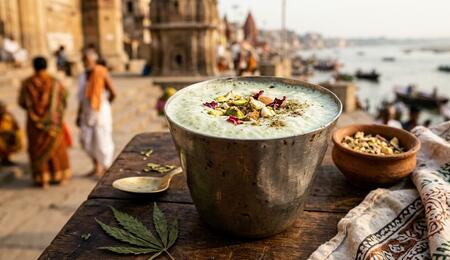
Cannabis is an illegal substance in India, however, bhang is successfully sold on the market for one reason: religion.
While contemporary legal markets prioritize high-potency concentrates, branded flower, and packaged edibles, one of the world’s oldest continuous cannabis traditions remains largely unchanged.
For thousands of years, Bhang has played a central role in Indian culture, spiritual ceremonies, and traditional Ayurvedic medicine. This traditional cannabis preparation is made from crushed leaves and flowers, and today it remains one of the few legally protected, socially recognized forms of cannabis in the region.
Let’s take a look at bhang’s history, its health applications and legality, and step-by-step instructions how to prepare this ancient cannabis potion on your own.
What Is Bhang?
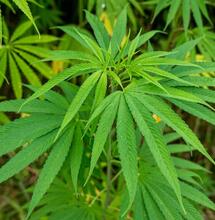
Unlike today’s cannabis beverages made with isolated THC emulsions, Bhang is a full-spectrum paste produced by grinding dried leaves, seeds, and flower buds of the Cannabis sativa plant. This aromatic paste serves as the base for a variety of traditional food and drink preparations across the Indian subcontinent.
The most common variation is Bhang Lassi, a cold, refreshing drink made by blending the cannabis paste with yogurt or curd, milk, water, nuts, and aromatic spices like cardamom, ginger, and rosewater. Other popular forms include:
- Bhang Goli: A simple, concentrated ball of fresh cannabis paste chewed or swallowed with water.
- Bhang Thandai: A spiced, chilled milk drink frequently prepared during religious festivals.
- Bhang Halwa or Sweets: Cannabis paste combined with ghee (clarified butter) and sugar to create traditional confectionery.
Sacred Origins: Mythology and Cultural Significance
Bhang’s history dates back thousands of years, with its earliest written mentions appearing in sacred Hindu texts such as the Atharvaveda (circa 1200–1000 BCE), where cannabis is named one of the five sacred plants that liberate us from anxiety.
According to Hindu mythology, Bhang is intimately connected to Lord Shiva, one of the principal deities of Hinduism, often referred to as Neelkanth or Mahadeva. Legend recounts the Samudra Manthan (the churning of the Ocean of Milk), during which a deadly poison emerged that threatened to destroy the universe. To save creation, Lord Shiva consumed the poison, storing it in his throat. To cool his burning throat and calm his body, the gods offered him Bhang.
Because of this connection, Bhang remains a central feature of spiritual observances. During major celebrations such as Maha Shivaratri (a festival dedicated to Lord Shiva) and Holi (the festival of colors, love, and spring), Bhang is distributed freely at temples, family gatherings, and authorized street stalls as a sacred offering (prasada).
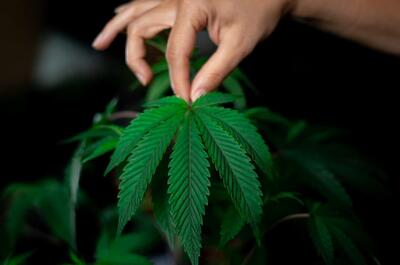
Traditional Bhang paste is prepared by grinding cannabis leaves and flowers with aromatic spices, nuts, and fat sources like ghee or milk.
Why Is Bhang Legal in India?
While commercial cultivation and the sale of cannabis resin (charas) and flowering tops (ganja) were restricted under India’s Narcotic Drugs and Psychotropic Substances (NDPS) Act of 1985, Bhang occupies a unique legal exception.
The NDPS Act specifically excludes cannabis leaves and seeds from the legal definition of cannabis contraband. Because traditional Bhang is prepared using the leaves of wild or cultivated plants rather than isolated flower resin, state governments are allowed to regulate, license, and tax its sale. In many Indian states, particularly in Uttar Pradesh, Rajasthan, and West Bengal, government-authorized Bhang shops operate openly alongside traditional vendors.
Visitors, of course, can come across Bhang and other cannabis preparations through other street vendors, especially at major spiritual destinations. While widely accessible due to deep cultural acceptance, travelers should still exercise caution regarding where they source their paste.
Bhang in Ayurvedic Medicine and Wellness
In Ayurveda (traditional Indian holistic medicine), Bhang is classified as a potent herb (Aushadhi) capable of balancing physical energies when purified and administered in precise doses. Historically, Ayurvedic practitioners prescribed Bhang to treat a variety of ailments:
- Digestive Health & Nausea: Bhang has long been used to stimulate appetite, soothe gastrointestinal distress, and ease chronic nausea.
- Pain Management & Inflammation: Since this is a full-spectrum preparation, it can offer relief from severe joint discomfort, muscle stiffness, and chronic pain.
- Stress and Sleep Support: In small doses, the calming properties of Bhang can help ease nervous tension, promote relaxation, and combat insomnia.
However, while traditional applications are extensive, consumers should still treat Bhang with the same care as any potent oral edible.
Today bhang is enjoyed as a staple cultural beverage and a widely recognized form of traditional Indian edibles. Video source: jaystreazy via YouTube
How to Make Traditional Spiced Bhang Lassi at Home
If you want to experience an authentic-style cannabis beverage at home, key adjustments must be made to traditional street recipes to ensure proper decarboxylation (activating the non-psychoactive THCA into active THC using heat) and efficient fat-binding.
Equipment Needed:
- Medium saucepan
- Fine mesh strainer or cheesecloth
- Mortar and pestle (or high-powered blender)
- Glass storage container
Ingredients:
- 1/2 oz (approx. 14g) dried cannabis leaves or mild flower
- 2 cups water
- 2 cups whole milk (or full-fat coconut milk)
- 1/2 cup plain yogurt or curd
- 2 tbsp ghee (clarified butter) or unsalted butter
- 2 tbsp chopped almonds or cashews
- 1/4 tsp ground cardamom
- 1/4 tsp ground ginger
- 1 pinch cinnamon or garam masala
- 1 tbsp rosewater
- 2-3 tbsp honey or sugar (adjust to taste)
1. Decarboxylate Your Cannabis: Essential step for psychoactive potency.
Preheat your oven to 240°F (115°C). Break down your plant material evenly onto a baking sheet lined with parchment paper. Bake for 30–40 minutes to fully activate the cannabinoids.
2. Boil and Simmer with Fat: Extracting cannabinoids into butter and water.
In a saucepan, bring 2 cups of water to a gentle boil. Add the 2 tablespoons of ghee (or butter) and your decarboxylated cannabis. Reduce heat to low, cover, and let it simmer gently for 15 to 20 minutes. The fat in the ghee binds directly with the activated cannabinoids.
3. Grind the Paste: Creating the traditional texture.
Strain the plant matter from the liquid, reserving the warm water/butter mixture in a bowl. Place the warm plant material into a mortar and pestle (or small food processor) along with 2 tablespoons of warm milk and your chopped nuts. Grind continuously until a smooth, fine paste forms.
4. Combine Liquid and Spices: Infusing aromatics and milk.
Pour the reserved warm liquid, the cannabis-nut paste, remaining warm milk, ground cardamom, ginger, cinnamon, rosewater, and honey back into your saucepan. Whisk thoroughly on low heat for 5 minutes to combine all ingredients without bringing it to a boil.
5. Strain, Chill, and Serve: Final presentation.
Pour the mixture through a fine mesh strainer or cheesecloth into a glass pitcher, pressing the remaining plant paste to squeeze out all liquid. Add 1/2 cup of plain yogurt or curd and whisk vigorously (or blend with ice) until frothy. Serve cold, garnished with crushed nuts or edible rose petals.
Dosing and Responsible Consumption
Because Bhang is an edible liquid containing fat-bound cannabinoids, its effects take longer to register than smoking or vaporizing.
- Onset Time: Effects typically begin between 45 minutes to 2 hours after consumption and can last anywhere from 4 to 8 hours depending on individual metabolism and dosage.
- Start Low, Go Slow: Traditional street Bhang can vary wildly in potency. When preparing it at home, start with a small half-cup serving to gauge your tolerance before consuming more.
- Side Effects of Overconsumption: Consuming too much Bhang can cause temporary anxiety, dizziness, dry mouth, impaired coordination, or heavy lethargy. Always consume responsibly in a safe, comfortable setting.
Whether enjoyed during cultural celebrations in India or crafted at home as a homage to ancient botanical traditions, Bhang stands as a timeless testament to humanity’s millennia-long relationship with the cannabis plant.
Read more from Soft Secrets:
Disclaimer: This content is for educational and informational purposes only for adults aged 21 and older. Soft Secrets does not encourage the illegal use, sale, or distribution of cannabis. Always follow local laws, consume responsibly, and keep infused products out of reach of children or pets.
S
Stephen Andrews