Thailand Chooses Regulatory Attrition Over a Cannabis Ban

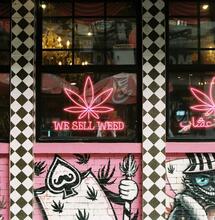
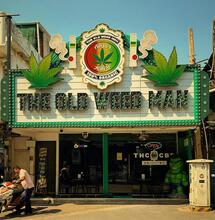
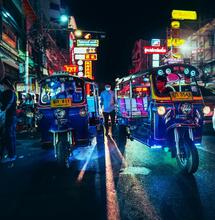
Dispensary storefronts across Bangkok face tighter operational rules as Thai health authorities shift toward strict compliance and administrative tracking. Photo by Tom Lorber on Unsplash
If the narrative over the past three years was defined by dramatic political U-turns, ranging from full decriminalization in 2022 to promises of a total prohibition, and back to regulated use, the latest update from Thailand shifts the storyline from political drama to regulatory attrition.
After three attempts to pass a cannabis regulation bill, Thai lawmakers have finally moved the latest proposal forward. The Cabinet approved the draft on September 22, sending it to Parliament for consideration. Judging by the law’s contents, the Kingdom isn’t outlawing its multibillion-baht retail market, but it’s definitely trying to tame it through administrative fatigue.
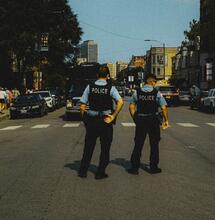
Instead of sweeping executive bans or sensational raids, the Ministry of Public Health is deploying a quieter, more systematic tool: compliance pressure. By tightening licensing requirements, restricting sales locations and buyers, banning advertising and promotion, and increasing oversight of cultivation and retail operations, regulators are creating an environment where casual dispensary operators will have a much harder time surviving.
From Dispensaries to Medical Facilities
Under the proposed bill, cannabis and cannabis extracts can only be used for medical treatment by medical professionals or for research, according to Public Health Minister Pattana Promphat.
The proposed licensing system would require cultivation, production, import, export and sales operations to obtain three-year licenses. Existing dispensaries would also face a major transition if they want to continue operating. According to the Bangkok Post, current licenses are expected to expire between 2026 and 2028, with businesses seeking to remain open needing to meet the requirements for medical facilities. Pattana has estimated that the number of qualifying outlets could fall from around 11,000 to roughly 2,000.
“This is to protect the health of people, especially children and youth, and prevent cannabis abuse,” he said, Bangkok Post reported.
The proposed rules would also prohibit sales to anyone under 20, as well as pregnant and breastfeeding women. Sales would be restricted in sensitive locations including schools, temples, dormitories, public parks, zoos and amusement parks. Advertising and promotion of cannabis buds, resin and paraphernalia would also be prohibited.
A Different Kind of Cannabis Market
The shift is already being reinforced by increased enforcement. Thai authorities reported more than 1,247 cannabis establishments inspected nationwide between May and mid-June 2026, with enforcement actions including arrests, license suspensions and seizures.
For operators and investors in the Thai market, the signal is clear: the era of effortless dispensary setups is officially coming to an end. The emerging market will be smaller, more medicalized and considerably more dependent on licensing and professional oversight.
The bill still needs to pass through Parliament before it becomes law, so some details could change. But if the current draft survives the legislative process, Thailand’s cannabis industry is heading toward a model where access to the market depends less on opening a shop and more on meeting the requirements of a regulated medical business.
Read more from Soft Secrets:
Disclaimer: The content provided in this article is for informational and news purposes only and does not constitute legal, medical, or professional business advice.
S
Stephen Andrews