Paraphernalia Redefined: Craft, Design & Ritual
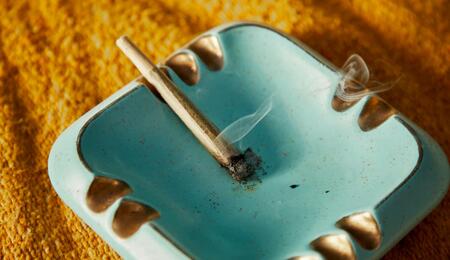
Design-forward paraphernalia shifts the session from a quick habit into a grounding, sensory ritual.
The sacred session has deep roots. Long before modern paraphernalia found its way onto living room tables, the tools of cannabis plant consumption were deeply bound to human ritual. Ancient Scythians gathered inside felt tents around heated stone braziers to inhale aromatic vapors, while sadhus across the Indian subcontinent refined the use of the ceramic chillum as a vessel for communal, spiritual reflection.
Across centuries and continents, cannabis smoking instruments were rarely viewed as disposable delivery items; they were functional craft objects carved from stone, molded from clay, or cast in bronze.
During the twentieth century, counterculture secrecy pushed paraphernalia into the shadows, prioritizing concealment over craftsmanship. But as consumption has moved firmly into the cultural mainstream, a quiet renaissance has taken place.
While quick and convenient options aren’t going anywhere, a growing market of design-conscious enthusiasts is seeking out forward-thinking craftsmanship, reclaiming the historic reverence for plant sessions through tools that honor both material and ritual.
From Hidden Bongs to Coffee-Table Art
The defining shift in modern paraphernalia is architectural, so to speak. The days of hiding garish, neon-swirled acrylic pipes in basement drawers have given more space for minimalist ceramics, matte-finished metals, or unique hand-blown pieces of glass. Plenty of the modern, fancy accessories are engineered with interior design in mind, built to sit openly beside art books, sculptural candles, and luxury stoneware.
This material evolution leans a lot into texture and intention. Slip-cast porcelain and stoneware offer clean geometries, soft earth tones, and a tactile warmth that feels more akin to studio pottery than traditional smoking gear. Alongside ceramics, laboratory-grade borosilicate glass strips away unnecessary embellishments to return to pure functionalism, showcasing clean lines and smooth airflow.
Precision-machined metals like anodized aluminum and brushed brass bring industrial durability, tight tolerances, and a satisfying weight to essential tools like grinders and storage canisters. Meanwhile, sustainably sourced hardwoods, such as walnut, teak, and maple, introduce natural grain textures, adding an organic warmth every time a piece is handled.
Where Craft Meets Function
Modern cannabis accessories aren’t simply designed to be admired; they’re built to improve the experience of using them. Many contemporary makers obviously draw from industrial design, combining thoughtful ergonomics with durable materials that age gracefully over time.
Laboratory-grade borosilicate glass, hand-finished ceramics, precision-machined metals, and sustainably sourced hardwoods each offer distinct functional advantages, from preserving flavor and improving airflow to providing tactile comfort and long-term durability. Many pieces are also designed with maintenance in mind, featuring modular components or surfaces that are easier to clean, encouraging years of regular use rather than frequent replacement.
As legal markets have matured, these objects have also found a place beyond the traditional headshop. Independent ceramicists, glass artists, and product designers are producing accessories that balance utility with aesthetics, creating pieces that integrate naturally into contemporary interiors. Rather than hiding them away, many consumers now choose objects that reflect the same appreciation for craftsmanship found in handmade tableware, furniture, or lighting.
This evolution marks a broader shift in how paraphernalia is perceived. No longer viewed solely as functional equipment, many accessories have become enduring design objects, valued as much for the quality of their making as for the role they play in the ritual itself.
The High Cost of the New Aesthetic
The transformation of paraphernalia into high-design homeware is far more than a trend in room styling, but it inevitably brings a sticky question to the surface: Who is this new aesthetic actually for?
There is no getting around the price tag. When a hand-carved stone pipe costs as much as a designer handbag, or a precision-machined aluminum grinder rivals the cost of a high-end kitchen appliance, “intentional consumption” can quickly feel like an exclusive club. Moving accessories out of the headshop and into luxury boutiques has undeniably elevated the culture, but it has also slapped a premium price on what used to be a democratic, egalitarian ritual.
Ultimately, this cost shift forces a choice between disposable convenience and long-term craftsmanship. While dropping serious cash on high-end gear isn’t feasible—or even necessary—for everyone, advocates argue that the ethos behind it shifts consumers away from throwaway plastics and fragile glass toward durable objects built to last a lifetime.
Whether designer paraphernalia strikes you as true art or clever branding, elevating the experience usually comes down to intent rather than price, and perhaps showing that how we care for our tools mirrors how we value our downtime.
Read more from Soft Secrets:
S
Stephen Andrews