5 Ways to Spot High-Quality CBD (and Avoid Bad Products)
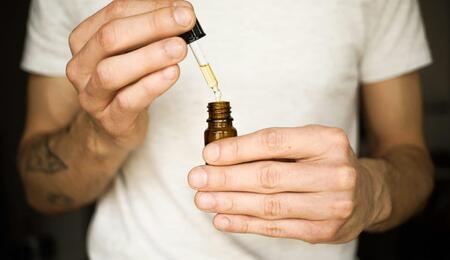
Before you buy, flip the bottle: genuine quality always comes down to clean soil, clean extraction, and honest lab testing.
With thousands of CBD products flooding the market, from oils and gummies to topicals and capsules, finding a reliable, high-grade product might feel overwhelming. Because the cannabinoid industry operates with varying degrees of regulatory oversight, product quality can vary dramatically from one brand to the next.
If you want to ensure you are getting a safe, potent, and effective product, here are five essential things to watch for when shopping for CBD.
1. Check the Source: Where Was the Hemp Grown?
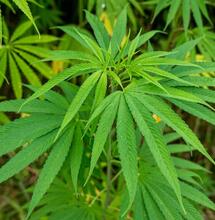
Think of hemp like a giant green sponge. It drinks up almost everything in the dirt around it: the good, the bad, and the ugly. If it’s planted in soil packed with pesticides, heavy metals, or chemical runoff, those exact impurities can wind up concentrated right inside your bottle of CBD.
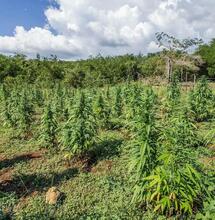
That’s why quality always starts in the dirt. Look for brands that partner with farms using organic methods and strict agricultural standards. When farmers care about crop rotation, clean soil, and pesticide-free growing, it shows in the final drop. If a brand is coy or vague about where their hemp actually comes from, it’s usually a sign they’re buying cheap, mystery-sourced biomass, and that just might be a gamble you don’t want to take.
2. Look for Clean Extraction Methods
Care doesn’t stop at the farm; how the cannabinoids are extracted from the plant material is also crucial. High-concentration extracts are generally obtained through supercritical CO2 Extraction.
This chemical-free method uses pressurized carbon dioxide to pull beneficial cannabinoids and terpenes from the plant while keeping temperatures low. It is eco-friendly, non-toxic, and yields a pure, potent extract free of dangerous solvent residues.
- What to avoid: Cheaper, outdated methods that rely on harsh petroleum-based solvents (like standard hexane or propane) can leave toxic chemical residues behind in the final product. Always check that the brand specifies clean, solvent-free processing.
3. Check Independent 3rd-Party Lab Results
In the supplement industry, a brand’s word isn’t enough. The single most reliable indicator of a trustworthy CBD product is a Certificate of Analysis (COA) issued by an independent, ISO-accredited third-party laboratory.
A legitimate COA verifies two critical things:
- Potency: It proves that the amount of CBD (and THC) matches what is printed on the label.
- Purity: It screens the batch for heavy metals, residual solvents, pesticides, and microbial contaminants.
If a company does not readily provide easily accessible batch testing results via a QR code on the packaging or a database on their website, consider it a major red flag.
4. Understand the Spectrum: Full-Spectrum, Broad-Spectrum, or Isolate?
Not all CBD extracts are created equal. Knowing the difference between extract types will help you choose the right product for your needs:
- Full-Spectrum CBD: Contains all phytochemicals naturally occurring in the plant, including trace amounts of THC (under the legal federal limit of 0.3% in the U.S.). This is supposed to trigger the entourage effect, where cannabinoids and terpenes work together to boost therapeutic benefits.
- Broad-Spectrum CBD: Contains multiple cannabinoids and terpenes, but with all THC completely filtered out. It is ideal for users who want the therapeutic effect without any exposure to THC.
- CBD Isolate: Pure, isolated CBD in crystalline or powder form with all other plant compounds removed. It is flavorless, THC-free, but lacks the synergistic benefits of whole-plant extracts.
5. Read the Label: Ingredients and Transparency
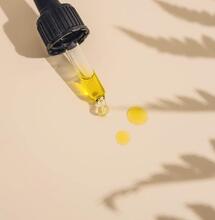
Last but not least, take a close look at the product label and ingredient list. A high-grade CBD oil or tincture should have a minimal, transparent ingredient list, typically just the hemp extract and a clean carrier oil like organic MCT oil, hemp seed oil, or olive oil. Avoid products packed with artificial flavorings, synthetic sweeteners, or unnecessary chemical additives.
Crucially, check the Supplement Facts panel for the exact amount of active Cannabidiol (CBD) per serving, rather than relying solely on large milligram numbers on the front packaging. For example, the packaging may prominently advertise “1,000 mg” on the front label, but a close look at the Supplement Facts panel may reveal that figure refers to raw hemp seed oil – which contains zero CBD – or a generic hemp extract containing only a fraction of active cannabinoids. Reputable brands will clearly state both the active CBD strength per bottle and the precise dose per serving.
The Takeaway
Finding an effective CBD product doesn't have to be complicated. By taking an extra minute to take a look at the ingredient list or check about the hemp origin information, you can quite easily filter out substandard options and find a CBD product that matches your need and wellness goals.
Read more from Soft Secrets:
Disclaimer: Content published here is strictly for informational purposes and should not replace professional medical or legal advice.
S
Stephen Andrews