What Makes Synthetic Cannabinoids Different From Cannabis?
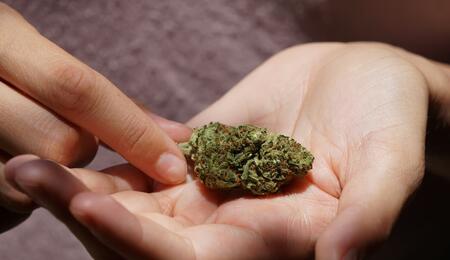
What began as academic research into cannabinoid receptors evolved over decades into an ever-changing market of synthetic herbal smoking mixtures and vaping liquids. Photo by Elsa Olofsson on Unsplash
Synthetic cannabinoids were initially synthesized for medical research, but some eventually entered the consumer market as commercial herbal mixtures known as Spice or K2. Today, as manufacturers continue to alter lab-made molecules to evade legal bans, understanding the distinct risks of synthetic compounds compared with natural cannabis is useful knowledge to possess.
The Origins of Lab-Created Cannabinoids
Synthetic cannabinoids first emerged in academic and pharmaceutical laboratories during the late 20th century. Researchers created these chemical compounds primarily to study the human endocannabinoid system and analyze how cannabinoid receptors function throughout the body. Early scientific developments, such as the JWH compounds developed by organic chemist John W. Huffman, provided valuable tools for biological research without being intended for recreational human consumption.
At the turn of the century, these lab-created compounds began transitioning into the retail market. Manufacturers started dissolving synthetic chemicals in solvents and spraying them onto dried plant material. Marketed under brand names like Spice, K2, and various herbal incense products, these mixtures were sold in convenience stores and head shops as alternatives to natural cannabis. Because early formulations bypassed existing drug laws, they gained popularity among users seeking psychoactive effects while avoiding legal restrictions or routine drug screenings.
How the Synthetic Market Operates Today
As health concerns associated with early herbal smoking blends became apparent, lawmakers began banning specific compounds and chemical structures. In response, some grey-market producers altered the molecular structures of synthetic cannabinoids, creating new analogues to circumvent existing restrictions. This ongoing cycle has made the market a moving target for regulatory authorities and healthcare professionals.
Synthetic cannabinoids are no longer limited to dried herbal mixtures. They may also appear in liquids for electronic vaping devices and in plant material adulterated with synthetic chemicals. Meanwhile, a related but distinct market has emerged for semi-synthetic cannabinoids derived from hemp, including HHC, THC-O, and THCP. These compounds have appeared in vape cartridges, disposable devices, and infused gummies over the past few years.
In addition, e-liquids marketed under street names like “C-Liquid” or sold illegally as ordinary “THC vape juice” may contain synthetic cannabinoid receptor agonists. Such products can be sold through unregulated online storefronts, making it difficult for consumers to establish their exact composition or potency.
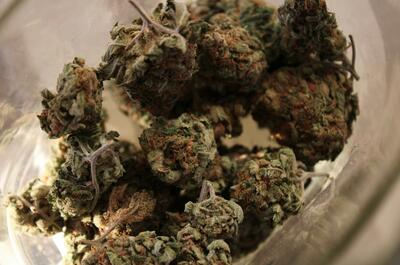
Laboratory-made synthetic cannabinoids can activate brain receptors more intensely than natural THC, potentially leading to unpredictable effects and greater health risks. Photo by Gaetano Sferrazza on Unsplash
Economic Drivers and Legal Access in Strictly Regulated States
Despite safety concerns, the rise of lab-processed and hemp-derived cannabinoids has created significant economic activity, particularly in regions where adult-use cannabis remains prohibited. In Texas, where recreational marijuana remains illegal, state restrictions introduced in 2026 have also sharply curtailed smokable hemp products. The commercial exploitation of the federal hemp definition nevertheless helped create a substantial retail market for intoxicating hemp-derived products.
Entrepreneurs and smoke shop operators filled the regulatory gap by offering adults psychoactive alternatives without requiring medical registration or access to licensed cannabis dispensaries. Proponents argue that this sector creates local jobs, generates tax revenue, and provides consumer access in areas where prohibition persists, reflecting demand for cannabinoid products in conservative political environments.
Yet, the days of this regulatory workaround may be numbered. A federal law scheduled to take effect on November 12, 2026, will narrow the definition of hemp and exclude many intoxicating hemp-derived products. Operators in prohibition states face an uncertain future as the rules governing these alternatives tighten.
How Synthetic Cannabinoids Compare to Natural Cannabis
While natural cannabis and synthetic cannabinoids can both interact with the body’s cannabinoid receptors, their biological effects can differ significantly. Natural cannabis contains a range of compounds, including Delta-9 THC, CBD, minor cannabinoids, and aromatic terpenes. However, their combined effects vary, and claims that other plant compounds reliably moderate THC’s effects remain insufficiently established.
Many synthetic cannabinoid receptor agonists are potent full agonists. This means they can activate cannabinoid receptors more strongly than THC, which acts as a partial agonist. However, synthetic cannabinoids vary in their potency and effects, and not all lab-made or chemically modified cannabinoids belong to this category. Their effects can be unpredictable, particularly when products contain unknown substances or inconsistent concentrations.
The lack of standardized quality control in unregulated manufacturing creates additional risks. Inconsistent spraying methods can leave concentrated patches on herbal material, exposing users to unexpectedly high doses. Ultimately, understanding the differences between botanical cannabis, synthetic cannabinoids, and semi-synthetic products is essential for consumer safety, especially in an increasingly crowded market where the sheer variety of options can make informed choices difficult.
Unlike regular THC, many lab-made compounds strongly activate cannabinoid receptors and have been linked to more serious reactions. Video Source: Hippo Education via YouTube
Frequently Asked Questions About Synthetic Cannabinoids
Q: What are synthetic cannabinoids?
A: Synthetic cannabinoids are laboratory-made chemicals designed to interact with cannabinoid receptors in the body. The term commonly refers to synthetic cannabinoid receptor agonists (SCRAs), some of which are sold under names such as Spice and K2.
Q: Are synthetic cannabinoids the same as natural marijuana?
A: No. Synthetic cannabinoids are not the same as cannabis or its naturally occurring cannabinoids. Many synthetic compounds can produce much stronger and less predictable effects than THC, the main intoxicating cannabinoid in cannabis, and are associated with a higher risk of severe poisoning.
Q: How are synthetic cannabinoids typically consumed?
A: They are often sprayed or mixed onto dried plant material for smoking. They may also be sold in liquid form for use in vaping devices. Other forms of consumption, including oral products, have also been reported.
Q: What are the primary health risks associated with synthetic cannabinoids?
A: Effects can include more pronounced anxiety, agitation, rapid heart rate, high blood pressure, confusion, paranoia, even hallucinations and seizures. Serious complications can include cardiovascular problems and kidney injury, particularly when products are heavily contaminated. As always, the risks vary depending on the compound, dose, and presence of other substances.
Q: Why do manufacturers keep changing synthetic cannabinoid formulas?
A: Some manufacturers introduce new chemical variations to circumvent existing drug controls. However, the market also evolves as new compounds emerge, and the reasons for developing or selling particular substances can differ.
Q: Do routine drug tests detect synthetic cannabinoids?
A: Most standard drug screens, including routine THC tests, do not detect the majority of synthetic cannabinoids. Specialized laboratory tests are available, but their coverage varies and they may not identify newer compounds.
Q: Are hemp-derived cannabinoids like Delta-8 THC or HHC considered synthetic?
A: Delta-8 THC occurs naturally in cannabis in small amounts, but commercial products are typically made by chemically converting hemp-derived CBD into Delta-8 THC. HHC is also commonly produced through chemical processing. These products are often described as semi-synthetic cannabinoids, a category distinct from the synthetic cannabinoids commonly sold as Spice or K2. Their legal status varies by jurisdiction.
Read more from Soft Secrets:
Hexahydrocannabinol (HHC): Effects, Legal Status, and Safety Guide
Cannabis and Antibiotics: Is It Safe to Mix and Where is CBD in This Story?
Disclaimer: Content published here is strictly for informational purposes and should not replace professional medical or legal advice.
S
Stephen Andrews