What Is THCP and Is It Stronger Than THC?
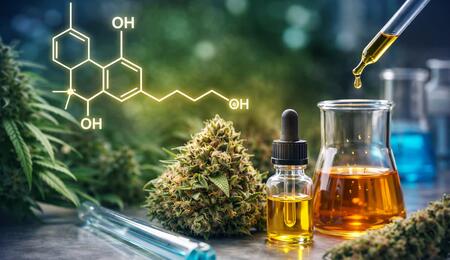
THCP has a longer 7-carbon side chain than traditional THC—a small structural change that helps it bind more strongly to CB1 receptors.
Few discoveries have excited the cannabis space like THCP (Tetrahydrocannabiphorol). First isolated in 2019 by a team of Italian researchers, this rare cannabinoid has quickly moved from a laboratory curiosity to one of the more talked-about compounds in the US market right now. What makes it so special? It isn’t just another “alt-cannabinoid” like Delta-8; it is a structural powerhouse that might explain why some strains feel so much stronger than others.
Is THCP Trending Right Now?
THCP has moved from a laboratory discovery into a small but growing niche within the “intoxicating hemp” market across the US.
- Market Growth: As policymakers debate stricter definitions of “total THC,” interest in alternative cannabinoids such as THCP has increased in certain markets.
- The “Potency” Craze: THCP has gained attention among experienced or high-tolerance consumers seeking more intense effects.
- The Search for Natural: Unlike Delta-8, which is almost always synthesized, THCP exists naturally in the plant (though in trace amounts), giving it more “botanical credibility” in the eyes of enthusiasts.
- Availability and Legality: Many commercial THCP products are actually semi-synthetically derived, and their legal status may depend on the interpretation of federal and state regulations.
How Does THCP Differ From THC?
The difference between regular Delta-9 THC and THCP is a matter of length.
- The Alkyl Chain: Standard THC has a 5-link carbon side chain. THCP has a 7-link carbon chain.
- Binding Affinity: This longer “tail” allows THCP to fit much more snugly into your body’s CB1 receptors. In laboratory studies, THCP has demonstrated up to 33 times greater binding affinity at CB1 receptors compared to regular THC.
- The “High” Factor: While it binds 33x stronger, it doesn’t necessarily make you 33x “higher.” Reports from users suggest THCP may produce noticeably stronger effects at lower doses than Delta-9-THC, with a much longer duration (sometimes lasting over 12 hours).
Specific Medical Values and Research
Because THCP was only discovered recently, controlled human clinical trials have not yet been conducted. However, early pharmacological studies and anecdotal evidence from the medical cannabis community suggest several potential benefits:
- Enhanced Pain Relief: In early preclinical animal studies, THCP showed significant analgesic activity (pain-killing properties) at lower doses than THC.
- Anti-Inflammatory Action: Like its cousin THC, it interacts with CB2 receptors, suggesting potential anti-inflammatory activity.
- Sedation and Sleep: Some anecdotal reports describe strong sedative or body-heavy effects at higher doses, which might assist those with severe insomnia who have developed a tolerance to other cannabinoids.
- Hypnopsychotic Potential: Some researchers have hypothesized that THCP may contribute to the unexpectedly strong effects of certain low-THC chemovars, though this remains under investigation.
More from Soft Secrets:
- How Do Cannabinoids Change After Drying?
- Uncovering the World of 99% THC Extracts
- THCV and Weight Loss: Is ‘Diet Weed’ the Answer to Cannabis Cravings?
Disclaimer: Information regarding the potential medical benefits associated with THCP are based on preliminary research and should not replace professional health advice. Always consult a physician before using high-potency cannabinoids.
S
Stephen Andrews