Hexahydrocannabinol (HHC): Effects, Legal Status, and Safety Guide
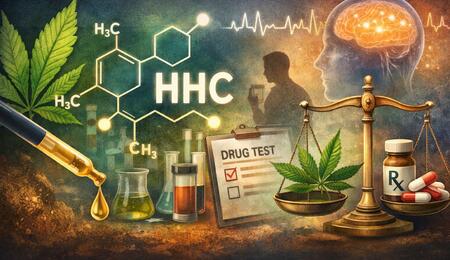
More than 100 cannabinoids have been identified in cannabis—each interacting with the body’s endocannabinoid system in slightly different ways.
In the fast-evolving world of alternative cannabinoids, HHC (Hexahydrocannabinol) has moved from fringe novelty to mainstream product almost overnight. But as 2026 unfolds, the era of regulatory gray zones is tightening. Once promoted as a “drug-test-safe” legal high, HHC is now under growing federal scrutiny—and facing a wave of clearer scientific assessment about its effects and risks.
HHC is a stable, mildly psychoactive cannabinoid. In 2026, its legal status is changing rapidly—ensure you check local laws before purchasing.
What is HHC and How is it Made?
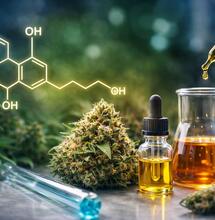
HHC is a semi-synthetic cannabinoid. While it exists in trace amounts in the seeds and pollen of the Cannabis sativa plant, the products found on shelves are created through a process called hydrogenation. This is the same chemical process used to turn vegetable oil into margarine.
By adding hydrogen atoms to hemp-derived CBD or THC, chemists saturate the carbon bonds, resulting in a more stable molecule. This structural change makes HHC more resistant to heat and UV light than standard THC, giving it a significantly longer shelf life.
The Potency Myth vs. Reality
HHC consists of two distinct molecules: 9R HHC (which binds effectively to your CB1 receptors) and 9S HHC (which is largely inactive).
- The High: Users generally describe HHC as “Delta-9 Lite.” It is more potent than Delta-8 but less intense than conventional THC.
- The Experience: Many users report a clear-headed, cerebral relaxation with less risk of the paranoia often associated with high doses of Delta-9 THC.
The Drug Test Warning
One of the most dangerous myths in early HHC marketing was that it could evade drug tests. This is false. HHC produces its own metabolites that can cross-react with standard drug test assays, meaning tests aimed to track down THC use may return positive results after HHC use.
- Detection Window: Frequent users can test positive for up to 30 days.
- Recommendation: If you are subject to workplace drug testing, treat HHC exactly like conventional THC.
Federal Legal Shift: The 2026 Redefinition of Hemp
On November 12, 2025, the U.S. government signed the Agriculture Appropriations Act of 2026, which includes provisions aimed at tightening federal oversight of intoxicating hemp-derived cannabinoids. Under the updated framework, chemically converted cannabinoids like HHC may no longer qualify for protection under the federal hemp definition.
- The Shift: Starting November 12, 2026, many intoxicating hemp-derived cannabinoids, including HHC, are expected to lose federal hemp status, increasing the likelihood of Controlled Substances Act enforcement, and significantly restricting their legal sale nationwide.
- Total THC Standard: The updated framework signals a shift toward applying the 0.3% THC threshold more broadly to additional isomers and synthetic derivatives, rather than limiting it strictly to Delta-9 THC.
- State Law: Many states (including New York, Colorado, and Oregon) have already moved to ban or strictly regulate HHC ahead of the federal deadline.
Safety and Side Effects
Because HHC is semi-synthetic and largely unregulated, quality control varies significantly between brands.
- Health Risks: Recent poison control data and toxicology reports have linked high-potency HHC use to adverse reactions, including anxiety, dizziness, and in rare cases, HHC-induced psychosis following high-dose use.
- The “Clear Choice”: Only purchase HHC from brands that provide a Full Panel Certificate of Analysis (COA), testing not just for potency, but for residual solvents (like hexane or palladium) used during the hydrogenation process.
More from Soft Secrets:
S
Stephen Andrews