Essential Guide to Recreational Cannabis: First-Timer FAQ
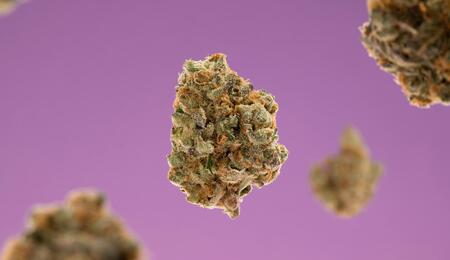
If you’re new to recreational weed, a few questions are probably already living rent-free in your head. You’ve watched friends light up, and sooner or later someone’s going to pass you the joint. Or maybe you’ve already tried it and you’re ready to build a low-key stash of your own. Either way, you’re in the right place. This article breaks down the most common questions about recreational marijuana—no judgment, no fluff.
Smoking weed should be fun, relaxed, and enjoyable, and knowing a few basics can seriously level up your high. Below you can find the answers to some of the most common questions asked by new users.
1. What Does Being High Actually Feel Like?
Experiencing cannabis can be highly subjective and it really depends on the “Set and Setting” (your mindset + your physical environment).
- The Cerebral High: Often associated with Sativa-dominant strains, this can involve creative thoughts, giggles, and a sense of euphoria.
- The Body High: Often associated with Indica-dominant strains, leading to physical relaxation and potentially “couch-lock.”
- Sensory Changes: You may notice music sounds clearer, colors look more vibrant, and food tastes significantly better (the “munchies”).
2. I’m a First-Timer—How Much Should I Use?
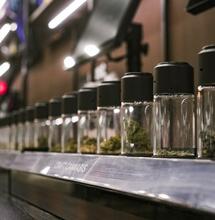
Today’s flower potency often exceeds 25% THC, although you can always look for lower-potency strains (just ask your local budtender for an easy-start recommendation. The golden rule in any case is: Start low, and go slow.
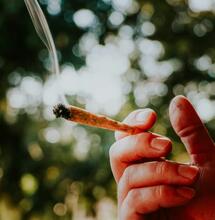
- Inhaling (Joints/Bowls): Take one small puff and wait 15 minutes. The peak usually occurs within 30 minutes.
- Edibles (Gummies/Beverages): For a beginner, a dose of 2.5mg to 5mg of THC is recommended. Do not start with 10mg.
And one more thing—if it’s your very first time, don’t be surprised if… nothing happens. Yep, nothing is a surprisingly common first-time experience. For some newbies, it can take a second or even third session before the high really kicks in.
3. Why Are Edibles Treated Differently Than Smoking?
When you smoke, THC enters the bloodstream through the lungs almost instantly. When you ingest (as in edibles), it is processed via the stomach. The liver converts Delta-9 THC into another compound known as 11-Hydroxy-THC, which is significantly more potent and has a longer duration.
- The Delay: It can take 60 to 120 minutes to feel the effects.
- The Warning: Never re-dose because you “don’t feel anything” yet. Wait at least 3 hours before consuming more.
4. Can You ‘Overdose’ on Marijuana?
While a fatal overdose from cannabis is not documented in healthy adults, you can definitely have a “bad trip” or “green out.”
- Symptoms: Nausea, dizziness, rapid heart rate, and paranoia.
- The Fix: If this happens, remember: it will pass. Drink water, find a quiet place to lie down, and try chewing on a black peppercorn—it contains the terpene Beta-Caryophyllene, which helps mitigate THC-induced anxiety.
5. Is It Safe to Mix Weed with Alcohol?
Mixing the two (crossfading) is generally discouraged for beginners. Alcohol can significantly increase the absorption of THC in your blood, which raises the risk of “the spins” and intense nausea. If you do choose to combine them, the golden rule is Smoke before you drink, and stick to light options like beer or white wine. Still, for your first few experiences, it’s strongly recommended to try cannabis on its own and learn how it affects you first.
6. How Long Will the Effects Last?
The effects will last depending on the strength of the product, your personal tolerance, and how much you consumed—stronger weed, lower tolerance, or higher doses usually mean a longer ride.
- Inhaled: 2 to 4 hours.
- Edibles: 6 to 12 hours, with some users feeling “foggy” the next morning (often called a “weed hangover”). Hydration is key to clearing this feeling.

7. What Is the Legal Status in the USA?
Cannabis law is a “patchwork” system:
- State Law: Over 24 states have legalized recreational adult use.
- Federal Law: Cannabis remains a Schedule I (currently under review for Schedule III) substance.
- Hemp Loophole: Products containing Delta-8 THC or “THCA Flower” are widely available due to the 2018 Farm Bill, but they still produce psychoactive effects and will show up on drug tests.
8. Smoking vs. Vaping vs. Dabbing: Which Is For Me?
- Flower: Best for beginners. Easier to dose and provides the “Full Spectrum” of terpenes.
- Vape Pens: Discreet but highly concentrated. Be careful with “blinkers” (long hits).
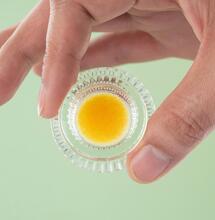
- Dabs/Concentrates: These are the “Everclear” of cannabis. Not recommended for new users.
9. How Long It Takes for Weed to Wear Off From My Body?
THC—the main psychoactive compound in cannabis—can linger in your body long after the high fades. How long it sticks around depends on how often you use, how much you consume, and your individual metabolism. The more you smoke, the more THC builds up.
- Testing: Cannabis remains detectable in the body anywhere from 1 to 30 days. Hair tests can pick it up for months (though that’s rarely a concern), while urine tests are the most common.
- Rough Guide: Occasional users may clear THC in about 3 days, moderate users in a week, daily users in up to 15 days, and heavy users in a month or longer.
10. Is Smoking Weed Every Day Okay?
There’s no one-size-fits-all answer. Daily use can be fine for some people, especially in small or moderate amounts later in the day—but tolerance will build over time. When you notice you need more to feel the same effects, that’s your cue to take a short break and reset. Deep dive here to learn more about cannabis tolerance break.
11. What Are the Consequences of Long-Term Recreational Marijuana Use?
For most adults, moderate recreational cannabis use carries relatively low long-term risk, especially compared to alcohol—but heavy, frequent, or compulsive use can still have downsides. Dose, timing, and personal vulnerability matter.
Cognitive Risk: Research suggest that frequent cannabis use may temporarily affect learning, attention, and memory, though these effects often improve after taking a break.
Mindful Consumption: Using smaller doses—just enough to feel relaxed or comfortable—is a widely recommended harm-reduction approach.
Red Flag: Compulsive use, such as feeling the need to consume first thing in the morning.
Lung Health: While smoking cannabis is not strongly linked to lung cancer, regular smoking can irritate the airways and cause coughing, which often improves with reduced use or a break.
More from Soft Secrets:
Medical Disclaimer: This article is intended for educational and harm-reduction purposes only. Cannabis is a controlled substance in many jurisdictions, and laws vary by location. Consult a qualified medical professional before using cannabis, especially if you have underlying heart, respiratory, or mental health conditions. Soft Secrets does not encourage or promote the illegal use of any substance.
S
Soft Secrets