Cannabis Edibles: Everything You Need to Know

Effects from cannabis edibles typically begin within 30–90 minutes, but can take up to two hours depending on metabolism, body weight, and whether you’ve eaten.
When you smoke or vape cannabis, the effects are almost instantaneous. THC enters the bloodstream through the lungs, delivering a cerebral high within minutes. With cannabis edibles, the experience is fundamentally different. You ingest it, you wait, and then—often just as you’ve forgotten about that infused treat—it hits.
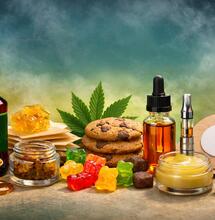
The “space cookies” of the past have evolved into a sophisticated global industry. Edibles nowadays include an endless array of infused products: from artisanal chocolates and gummy bear to savory pizza, THC-infused sodas, tinctures, and even dissolvable powders for your morning coffee.
Because they are smoke-free and discreet, edibles appeal to a vast demographic, including seniors and medical patients who may find inhalation unappealing. As more states move toward adult-use legalization, the edibles sector has become the fastest-growing segment of the industry.
How Do Cannabis Edibles Work?
The high from an edible is often described as more intense and “body-heavy” than a joint. This is due to the way your body processes cannabinoids. Instead of entering the bloodstream via the lungs, THC must pass through the gastrointestinal tract and the liver.
In the liver, Delta-9-THC is metabolized into another compound, 11-hydroxy-THC. This metabolite is significantly more potent and crosses the blood-brain barrier more easily than inhaled THC. This chemical transformation explains why edibles take longer to kick in (30–90 minutes) but last much longer (4–8 hours).
- Tolerance Matters More With Edibles: Even experienced smokers can feel stronger-than-expected effects from the same milligram dose.
- Shelf Stability Varies: Gummies and hard candies tend to last longer than baked goods, which can dry out or degrade faster.
How Are Cannabis Edibles Prepared?
Cannabinoids like THC and CBD are fat-soluble, meaning they bind efficiently to oils and butter.
- Decarboxylation: This is the critical step of using heat to “activate” the raw cannabis (converting THCA to THC) before infusion.
- Infusion: The activated cannabis is typically simmered into a carrier fat like coconut oil or butter.
- Emulsification: For beverages and gummies, manufacturers use emulsifiers to ensure the cannabis extract mixes evenly with water-based ingredients, preventing “hot spots” where one bite has more THC than another.
DIY Edibles: Crafting at Home
Making edibles at home is entirely possible—provided you understand the fundamentals. At the core is an infused fat, typically oil or butter, prepared with properly heated cannabis. Mastering decarboxylation is the key process here. Once you have a reliable infused base, it can be incorporated into everything from baked goods to savory dishes, turning almost any recipe into a cannabis-infused creation.
- Infused Oil: Simple Recipe for Homemade Cannabis Oil
- Cannabutter: Easy Ways to Make Cannabutter at Home
- For a Twist, Peanut Butter: Two Easy DIY Peanut Butter Recipes
Reminder: Precision is essential to avoid an overwhelming experience. Measure carefully and use the correct cannabis dose in whatever base you choose for preparing infused snacks and meals.
Shopping for Edibles: What to Look For
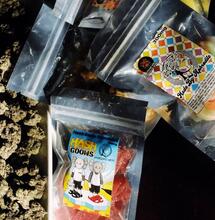
In legal U.S. markets (like CA, CO, or NY), dispensaries are regulated to ensure consumer safety. When shopping, look for these trust signals on the packaging:
- Lab Testing (COA): Ensure the product has been tested for potency, pesticides, and heavy metals.
- Clear Labeling: Total THC/CBD content per package and, crucially, per serving (e.g., 10mg per gummy).
- Ingredients & Allergens: Full nutritional facts and disclosure of extraction methods (solvent-based vs. solventless).
- Universal Symbol: Most states require a specific “THC” warning symbol on the packaging itself.
Not sure if you should go for a drink or a gummy? Read our Edibles vs. Tinctures vs. Drinks comparison.
Safety First: Keep Away From Children
Because many edibles resemble common candies or snacks, accidental ingestion by minors is a serious concern. In the U.S., legal products must come in child-resistant packaging. Always store your stash in a locked “stash box” or a high shelf. If accidental ingestion occurs in a child, contact poison control or seek emergency medical attention immediately. The same goes for pets.
Dosage Guide: Finding Your Limit
Edible potency is measured in milligrams (mg).
- Micro-dose (1mg – 5mg THC): Ideal for beginners or those seeking mild relief without a heavy “high.”
- Low to Moderate (5mg – 15mg THC): The standard “recreational” dose. Expect noticeable euphoria and altered perception.
- High Dose (20mg+ THC): For experienced users with high tolerance. Can be very intense and may lead to unwanted outcomes (anxiety, nausea, dizziness, or greening out) if you are unprepared.
What to Do If Things Go Wrong?
If you’ve consumed too much, remember: it will pass.
- Stay Hydrated: Drink water and avoid caffeine or alcohol.
- CBD to the Rescue: A dose of CBD may help counteract some of THC’s more intense psychoactive effects, particularly anxiety.
- Rest: Find a quiet, dark room and try to sleep. Avoid mixing edibles with alcohol, as alcohol can increase THC absorption and significantly raise the risk of unpleasant reactions.
CBD Edibles: Relief Without the High
CBD-dominant edibles offer the therapeutic benefits of the plant—such as support for anxiety, inflammation, and sleep—without the intoxicating “high.” Under the 2018 Farm Bill, hemp-derived CBD edibles containing less than 0.3% THC are widely available, providing a legal and functional way to incorporate cannabis into a wellness routine.
More from Soft Secrets:
- Cannabis Kitchen: How to Make Weed Gummy Bears?
- 5 Delicious THC-Infused Beverage Recipes You Must Try
- Liquid High: Everything You Need to Know About THC Syrup
Disclaimer: This content is for educational purposes only and does not constitute medical advice. Always consult with a healthcare professional before starting any new cannabinoid regimen. Check your local and state laws regarding cannabis possession and consumption.
S
Stephen Andrews