Ditch the Couch: Your Guide to Cannabis Lounges in the US
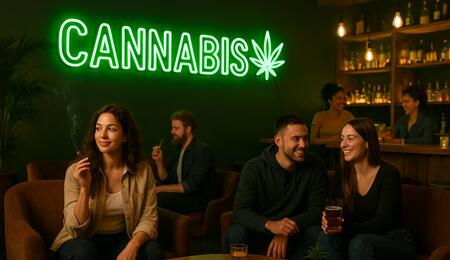
While the rules in each state may read more like a zoning manual than a café menu, lounges across the U.S. are stepping onto the dance floor—proving that even the most buttoned-up regulators can’t ignore the growing appetite for social cannabis experiences.
For years, the legal cannabis market in the United States faced a glaring paradox: you could legally buy a pre-roll at a high-end dispensary, but you had nowhere legal to light it. Public consumption remains a crime in most states, leaving tourists and renters in a legal “no man’s land.” However, one of the things that marked 2025 is the rise of the cannabis consumption lounge. In this article, we take a look at cannabis lounge regulations in the U.S., their future, and how they are poised to change retail.
From the neon lights of Las Vegas to the historic streets of Boston, “social consumption” is finally moving from the shadows into regulated, stylish, and safe public spaces. Cannabis consumption lounges are poised to reshape recreational cannabis use in the U.S. The appeal of Amsterdam-style cafés—social, regulated places where adults can legally consume—has proven hard to resist.
But while the concept looks compelling on paper, the reality has been far more challenging for business owners and license holders trying to bring these lounges to life. Many have spent years waiting on the sidelines; now, after a long period of regulatory uncertainty, the cannabis lounge sector finally appears to be emerging from limbo and taking its first real steps toward becoming a viable part of the U.S. retail landscape.
The USA’s Regulatory Patchwork: Key States to Watch
Cannabis lounges may follow different rules in every state, but together they’re part of a grand, slow-burn experiment to see which model rises to the top. Unlike traditional bars, there is no federal blueprint for cannabis lounges. Instead, we have a “patchwork” of state and municipal laws.
1. Nevada: The “Gold Standard” of Hospitality
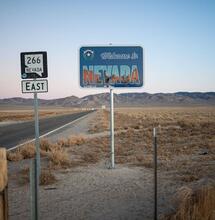
Nevada, specifically Las Vegas, has moved aggressively to integrate cannabis into its tourism economy. Under Assembly Bill 341, the state now licenses two types of venues:
- Retail Lounges: Attached to existing dispensaries.
- Independent Lounges: Standalone businesses that can offer a “bar-like” atmosphere without serving alcohol.
- The 2025 Rule: Nevada has implemented strict “session limits.” For example, on-site consumers are capped at 50mg of THC per session to prevent over-intoxication.
2. New York: A Slow but Ambitious Rollout
New York’s Office of Cannabis Management (OCM) has begun issuing “on-site consumption” licenses. However, the Empire State has a unique twist:
- Municipal Control: Local community boards in NYC have significant power to approve or deny licenses based on “public convenience and advantage.”
- Consumption-Only: Many NY models are strictly for consumption—meaning you bring your own product purchased from a licensed dispensary, or the lounge operates with a strict separation between the sales floor and the smoking area.
3. Michigan: BYOC Lounges With a Clear Licensing Path
Michigan allows licensed Designated Consumption Establishments, making it one of the more permissive states for social cannabis use. Several lounges operate in the Great Lake State under very clearly defined rules:
- BYOC Basis: Venues typically follow a bring-your-own-cannabis principle, meaning no on-site sales of marijuana itself.
- Mostly Non-Smoking: Consumption is limited to non-smokable forms unless specifically authorized.
4. Colorado: Refining the “Hospitality” Model
Denver has been a pioneer with its Cannabis Consumption Pilot Program. In 2025, Colorado updated its laws to include color-coded potency labeling (Blue, Yellow, Orange, Red) to help lounge staff and patrons identify high-THC products before they are consumed.
5. Illinois: Local Control and a Cautious, Limited Rollout
Illinois uses a tightly controlled, local-first model. While on-site cannabis consumption is allowed through dispensary-adjacent or standalone BYOC lounges, many cities have opted out, leaving availability limited and uneven statewide.
6. New Jersey: Dispensary-Based Lounges Under Tight Rules
New Jersey has positioned lounges as extensions of licensed dispensaries rather than independent cafés. Lounges can allow on-site use but must follow strict rules around ventilation, location, and municipal consent. Rollout remains gradual under the state’s cautious, regulator-first approach.
7. Massachusetts: The Newest Player
As of December 2025, Massachusetts has officially approved regulations for social consumption licenses. This marks a major shift for the East Coast, promising “cannabis cafés” that could soon, hopefully, rival the famous coffee shops of Amsterdam.
The Operational Hurdles
Running a cannabis lounge isn’t as simple as providing a couch and an ashtray. Operators must navigate heavy safety standards. Here are some of them:
- Ventilation & Air Quality: States like Nevada require sophisticated HVAC systems that completely exchange the air frequently to protect both staff and non-smoking patrons.
- No Alcohol Allowed: Virtually all US jurisdictions strictly prohibit the co-sale of alcohol and cannabis. The “cross-faded” risk is a major liability for regulators.
- Impaired Driving: Lounges are increasingly required to train staff in “impairment recognition” and provide resources for ride-sharing apps to prevent DUIs.
The Future: Beyond the Smoke
As the market matures, consumption lounges are expanding far beyond traditional smoking. Guests can now enjoy infused mocktails, craft low-dose edibles, artisanal chocolates, and wellness-focused tinctures. Some lounges even offer CBD-infused teas, microdosed shots, and guided “meditation lounges” designed to appeal to the wellness-minded or cannabis-curious crowd.
The modern cannabis lounge trend began in California, with San Francisco’s Barbary Coast Collective—opened in 2018—widely recognized as one of the first legal on-site consumption venues in the U.S.
Don't Get Too High: Responsible Consumption at the Lounge
Planning a visit to a cannabis lounge? The basic rule is simple: you must be 21 or older, and it’s best to enjoy responsibly—no overdoing it! Below, you’ll find the answers to some of the most frequently asked questions to help you have a safe, enjoyable, and memorable lounge experience.
Q: Do I need to be 21+ to enter a cannabis lounge?
A: Yes, absolutely. All licensed cannabis consumption lounges in the US require patrons to be 21 years of age or older, just like alcohol consumption spaces. You must present a valid, government-issued photo ID upon entry.
Q: Can I bring my own cannabis (BYOC)?
A: It depends entirely on the lounge’s specific license and local laws. Some lounges are “BYOC” (Bring Your Own Cannabis), while others require you to purchase products from their affiliated dispensary for on-site consumption. Therefore, it is best to always check the lounge’s policy before visiting.
Q: Can I smoke cigarettes or drink alcohol in a cannabis lounge?
A: No. Virtually all state and local regulations strictly prohibit the co-consumption of tobacco and alcohol on the premises of a licensed cannabis lounge. This is a core safety measure to prevent over-intoxication.
Q: What should I do if I feel too high or anxious?
A: Inform a staff member immediately. Licensed lounge employees are trained to recognize signs of overconsumption (impairment recognition) and can provide non-cannabis comfort items (like water or food) or help you find a quiet area. Stay calm, hydrate, and breathe deeply.
Q: What are the rules about leaving the lounge?
A: Never drive under the influence. Lounges are required to have transportation plans. Staff may encourage or require the use of ride-share services if you show signs of impairment. Do not take open packages of cannabis products out of the lounge, as this may violate public consumption laws.
Q: What is a “safe” starting dose for edibles at a lounge?
A: The standard recommendation, especially for edibles, is to start low (2.5mg THC or less) and go slow. Edibles have a delayed onset (1–2 hours). Do not re-dose until you fully feel the effects of the first dose. Ask the budtender for guidance on specific cannabis lounge products.
Read more from Soft Secrets:
S
Stephen Andrews