The ‘Standard THC Unit’: Science Reveals New Low-Risk Limits
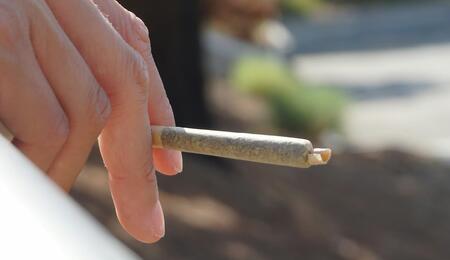
Introducing a “Standard THC Unit” can help users distinguish between recreational use and Cannabis Use Disorder (CUD) risk.
How much cannabis is ‘too much’? A new study published in the journal Addiction offers one of the clearest answers yet. By tracking weekly THC intake rather than just how often people use cannabis, researchers found specific consumption levels where casual use starts to look more like a disorder. The findings suggest that potency matters as much as frequency, and that knowing your total THC load could be key to understanding when cannabis use shifts from recreational to risky.
Beyond the Buzz: Why ‘How Much’ Matters More Than ‘How Often’
For decades, cannabis consumption was measured by frequency—how many days a week you lit up. However, new research published January 2026 in the journal Addiction by experts at the University of Bath is shifting the paradigm.
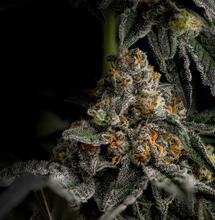
As modern US flower potency can range from 10% to over 30% THC, simply counting joints is no longer a reliable health metric. Researchers have now introduced the Standard THC Unit, defined as 5mg of pure THC. This is imagined to function like the “standard drink” in the alcohol industry, providing a universal language for safe consumption.
The New 2026 Thresholds: Are You Over the Limit?
The study identified specific weekly thresholds where the risk of developing Cannabis Use Disorder (CUD) significantly increases. So, tokers take a note (and perhaps make a “crutch” out of it later on)!
- For Adults (21+): The low-risk threshold is 8 units (40mg of THC) per week. Crossing 13 units (65mg of THC) per week is associated with a sharp rise in CUD symptoms.
- For Adolescents: The margin is even narrower. The research suggests a limit of 6 units (30mg of THC) per week, noting that younger brains are more susceptible to dependency.
The ‘Potency Trap’ in the US Market
In legal markets like California, Colorado, and New York, the average “top-shelf” joint contains approximately 0.5g of flower at 25% THC. Meaning, a half-gram joint with 25% THC contains about 125 milligrams of THC.
- Even accounting for “sidestream smoke” loss (~50% loss during combustion), a single potent joint delivers roughly 60mg of THC.
- Result: One high-potency joint can put an adult over the entire weekly low-risk threshold in a single session.
Recognizing Cannabis Use Disorder (CUD)
It’s worth noting that cannabis use disorder is a medical label, not a moral one. It’s about when cannabis stops being a choice and starts messing with your day-to-day life. Key indicators include:
- Unsuccessful attempts to cut down or control use.
- Cravings or a strong desire to use cannabis.
- Neglecting professional or social responsibilities to get high.
- Increased tolerance (needing more to achieve the same effect).
Harm Reduction: How to Stay in the Green
There are several “strategies” to consider in order to maintain a healthy relationship with the plant. Here are some of them:
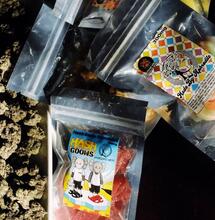
- Titrate Your Dose: Use “low and slow” methods, especially with edibles where 1 unit is exactly 5mg.
- The 48-Hour Reset: Regular 48-hour “T-breaks” can help keep your CB1 receptors sensitive, preventing the need to escalate dosage.
- Check the COA: Always look at the Lab Results (Certificate of Analysis) at your dispensary to calculate your “units.”
More from Soft Secrets:
- The 10 Best Cannabis Strains You Must Try in 2026
- Outdoor vs. Indoor Pot Smoking: Pros and Cons
- Hotboxing 101: The Smoky Ritual Explained
Medical Disclaimer: This article is based on recent clinical research and is intended for educational purposes only. It does not constitute medical advice, diagnosis, or treatment. Always seek the advice of a physician or other qualified health provider with any questions regarding a medical condition or substance use.
S
Stephen Andrews