Hemp Transport: Avoiding Harvest Issues
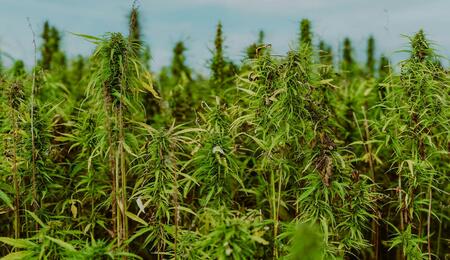
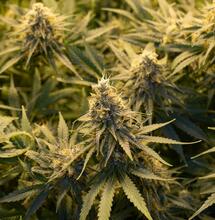
Proper ventilation and legal documentation ensure fresh hemp biomass survives transport without losing quality. Photo by Hagar Lotte Geyer on Unsplash
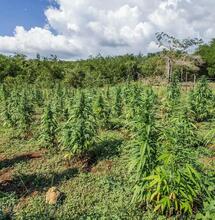
Harvest season introduces unique logistical hurdles for commercial hemp producers. Moving large volumes of freshly harvested hemp from the field to processing facilities requires precise planning to maintain quality and prevent any serious financial losses.
Environmental Controls and Thermal Degradation
Freshly cut hemp biomass retains significant moisture and continues to generate heat through cellular respiration during transport. This is where manufacturers need to pay the most attention:
- Managing Internal Heat Accumulation: Trapped moisture combined with heat buildup inside enclosed trailers creates an environment where mold, mildews, and rot can spread rapidly.
- Preserving Terpene Profiles: Elevated temperatures cause volatile terpenes to evaporate quickly, compromising aromatic quality and overall cannabinoid profile.
- Ventilation Protocols: Biomass moving over long distances must travel in breathable or temperature controlled transport to prevent thermal degradation.
Preventing Physical Damage and Hemp Crop Loss
Biomass and high-value floral material require different handling methods during loading and transit. Hemp producers need to be careful about what solutions they rely on.
- Bulk Biomass Compaction: Overpacking loose biomass into oversized containers compresses wet floral structures, increasing moisture pockets and accelerating decay.
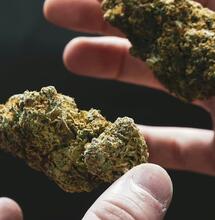
- Floral Material Handling: Premium smokable flower should be packed loosely in breathable, food-grade totes or structured crates rather than crushed in bulk bags.
- Securing Loads Properly: Unsecured cargo will shift during transit, causing mechanical damage to trichome heads and releasing valuable resin onto packaging walls.
Legal Compliance and Interstate Transport Documentation
While federal law explicitly protects the interstate transport and shipping of commercial hemp – unlike high-THC cannabis – navigating regional checkpoint enforcement still requires strict adherence to legal documentation protocols to guarantee smooth passage across state borders.
- Bill of Lading: Drivers must carry a detailed manifest outlining origin, destination, total weight, and carrier details.
- Verified Laboratory Analysis: Every load should be accompanied by certified Certificate of Analysis documentation proving the crop stays within legal Delta-9-THC limits.
- Producer Licensing: A copy of the valid state or federal hemp grower license must remain in the transport vehicle at all times.
Maintaining tight control over moisture levels, physical loading techniques, and transport paperwork guarantees that your hemp harvest arrives at the processing facility in prime condition.
Read more from Soft Secrets:
Disclaimer: This content is published solely for informational and/or educational purposes, and it does not constitute medical, legal, or professional advice. Readers should consult with appropriate healthcare or legal professionals and ensure compliance with all applicable local laws and regulations.
S
Stephen Andrews