Trump’s CBD Reimbursement Program for Seniors Stalls Ahead of Hemp Ban
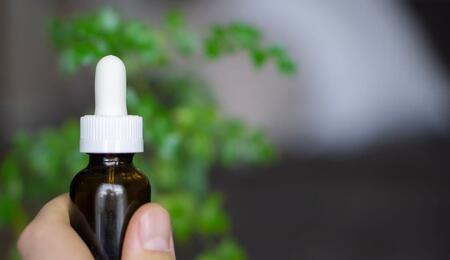
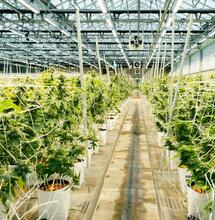
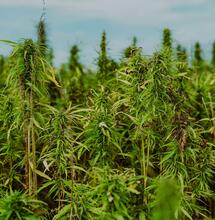
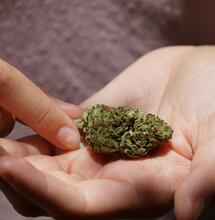
Trump’s CBD initiative is supposed to allow eligible Medicare beneficiaries to access up to $500 worth of qualifying hemp-derived products annually through participating healthcare organizations. Photo by Oliver King on Pexel
President Donald Trump’s initiative to expand access to hemp-derived CBD products for older Americans is struggling to gain momentum, with healthcare providers reluctant to commit to a program facing an impending federal hemp crackdown.
The Substance Access Beneficiary Engagement Incentive (BEI), launched in April 2026, allows certain healthcare organizations participating in Medicare innovation models to provide eligible beneficiaries with up to $500 worth of qualifying hemp-derived products annually. However, participation remains limited, and the approaching federal restrictions could undermine the initiative before it has a chance to expand.
According to an October 21 report by MJBizDaily, only six of the 74 Accountable Care Organizations (ACOs) participating in the ACO REACH model had been approved to offer the incentive. The number of patients actually receiving products through the program remains unclear.
How Does Trump’s CBD Program for Seniors Work?
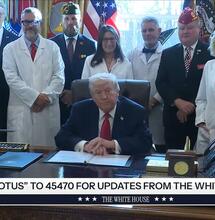
Trump announced the initiative in December 2025, presenting it as an opportunity for older Americans to access hemp-derived CBD products through clinician-guided care.
The program reportedly operates through selected healthcare organizations participating in models overseen by the Centers for Medicare & Medicaid Services (CMS). These organizations can provide eligible patients with qualifying hemp products valued at up to $500 per year.
Despite its association with Medicare, the initiative does not represent a conventional Medicare coverage expansion. CMS does not reimburse healthcare providers for the products, nor can beneficiaries purchase CBD products themselves and submit receipts for reimbursement. Participating organizations must cover the costs from their own budgets.
Products must comply with applicable federal, state, and local laws. They are subject to specific eligibility criteria, including a maximum delta-9 THC concentration of 0.3%, a limit of 3 milligrams of THC per oral serving, and third-party testing for potency and contaminants. Inhalable products and certain synthetic or novel cannabinoids are excluded.
The incentive is also designed to operate under medical supervision. Qualified clinicians must assess whether the approach is appropriate for individual patients, discuss potential risks and benefits, review medications, and establish follow-up plans.
Beginning April 1, 2026, the incentive became available through selected healthcare organizations, including those participating in a model focused on improving care for cancer patients. CMS plans to extend the initiative to additional healthcare organizations in January 2027.
CBD Reimbursement Initiative Struggles to Gain Traction
Although the program activated months ago, its practical implementation has been slow.
According to MJBizDaily, only six ACO REACH organizations had received approval to participate as of October 2026. Healthcare providers have been hesitant to commit resources to procuring and distributing hemp-derived products amid uncertainty over whether many of them will remain federally legal.
The uncertainty has also affected prospective suppliers. Several hemp companies that positioned themselves to supply participating healthcare organizations have yet to report meaningful revenue generated through the initiative.
The financial structure may additionally limit participation. As healthcare organizations must purchase the products using their own funds, the program requires them to take on costs while navigating an insecure regulatory environment.
The initiative has faced legal opposition as well. A lawsuit challenging its legality was dismissed by a federal judge in May on standing grounds, without a ruling on the underlying merits. The case subsequently moved to appeal.
For now, the incentive remains operational in a limited capacity, but its potential reach among Medicare beneficiaries is far from clear. In fact, it has done little to expand patient access to CBD or generate meaningful business opportunities for hemp operators.
Looming Federal Hemp Ban Could Undermine the Program
The initiative’s future is closely tied to the changing federal definition of hemp.
Last year, Congress passed legislation redefining hemp-derived cannabinoid products. The new rules introduce a threshold of 0.4 milligrams of total THC per container, a limit that could effectively eliminate many existing hemp-derived products from the legal market.
While restrictions on synthetic and non-naturally produced intermediate or final hemp-derived cannabinoid products are scheduled to take effect on November 12, 2026, the new THC limits have been postponed until December 11, 2026.
The restrictions could affect not only intoxicating hemp-derived THC products but also certain CBD formulations containing small amounts of THC. This creates a particular challenge for the Substance Access BEI, which currently permits qualifying oral products containing up to 3 milligrams of THC per serving.
CMS has stated that the incentive’s definition of eligible hemp products will be adjusted in accordance with changes in federal law. However, this does not guarantee that products currently used or intended for the initiative will remain eligible after the new restrictions take effect.
Hemp industry advocates are urging Congress to reconsider the legislation, while proposals to delay or revise the restrictions have yet to produce a definitive solution.
The November midterm results could further shape the initiative’s future, with Democrats gaining control of both chambers of Congress. Although bipartisan efforts to protect access to hemp-derived CBD may offer a way forward, the program remains constrained by limited participation and regulatory uncertainty.
Read more from Soft Secrets:
Why Missing Cannabis Moisture Standards Are Costing State Markets Millions
5 Years of Legal Cannabis in Alabama, Just One Dispensary to Show for It
Disclaimer: Content published on this page is for informational and/or educational purposes only, and it should not replace professional medical or legal advice.
S
Stephen Andrews