The Schedule III Era: Everything You Need to Know About Cannabis Rescheduling in 2026
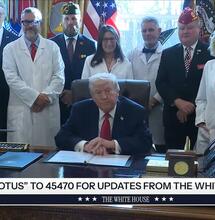
On December 18, 2025, a landmark Executive Order set the stage to fast-track cannabis from Schedule I to Schedule III under the Controlled Substances Act. As 2026 unfolds, the ripple effects of this shift are expected to reshape the American cannabis industry from the ground up. What could it mean for cannabis prices? How might it change the way people access cannabis? Has the long-awaited “Green Dawn” finally arrived? We explore what’s likely to come below.
For decades, cannabis sat alongside heroin in the most restrictive federal category. Now, on track to join substances like ketamine or anabolic steroids, the looming “Schedule III Era” is expected to change how consumers buy, grow, and ultimately perceive the plant.
What Happened on December 18, 2025?
Presidential action in late 2025 mandated that federal agencies expedite the rescheduling process. While the final regulatory steps are still underway—and expected to conclude soon—2026 is poised to become the first year in which the practical benefits reach consumers. The move formally recognizes cannabis as having a “currently accepted medical use” at the federal level, marking a profound shift in the U.S. government’s stance.
Will Cannabis Prices Go Down in 2026?
The short answer is: Likely, yes. The biggest hurdle for legal dispensaries has always been the Internal Revenue Code Section 280E. This rule has prevented cannabis businesses from deducting standard business expenses—like rent, utilities, and payroll—from their taxes because they were “trafficking” a Schedule I substance.
With the move to Schedule III, 280E falls out of the picture. As 2026 unfolds, dispensaries are expected to see effective tax rates fall from nearly 70% to roughly 21%. This anticipated influx of freed-up capital could allow legal operators to lower prices and compete more directly with the legacy (black) market—offering safer, lab-tested products at more competitive price points.
Is Cannabis Finally Federally Legal?
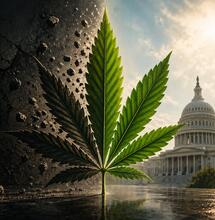
It is important to manage expectations: Schedule III is not federal legalization. While it is a historic step toward “descheduling,” cannabis remains a controlled substance. However, the move signals a “ceasefire” between state and federal authorities. In 2026, the risk of federal in state-legal recreational markets—such as California, Nevada, or Ohio— is expected to fall to historic lows. This shift is also anticipated to clear the path for the SAFER Banking Act, potentially granting dispensaries access to standard credit card processing and traditional business loans.
How Does This Change Medical Marijuana Research?
One of the most exciting aspects of 2026 is the anticipated explosion of evidence-based data. Previously, scientists faced a mountain of federal “red tape” when studying Schedule I cannabis.
As cannabis cements its Schedule III status, researchers at major universities are expected to gain easier access to federal grants to study specific cannabinoids for pain management, PTSD, or sleep. For consumers, this could mean that the “strain recommendations” seen in dispensaries will increasingly be backed by rigorous clinical trials, rather than relying solely on anecdotal evidence.
What Happens to Delta-8 and Hemp-Derived Products?
The Schedule III transition also addresses the 2018 Farm Bill loophole. For years, “intoxicating hemp” products like Delta-8 THC have been sold in gas stations without oversight. But now the federal government is moving toward a Unified Cannabinoid Framework.
This means all intoxicating products—whether derived from hemp or marijuana—will likely face the same strict testing and age-gate requirements. Which is a win for consumer safety, ensuring that what you buy is pure and accurately labeled. Yet it represents a major loss for states without regulated recreational markets, where Delta-8 and other hemp-derived products have long served as the primary source of potent, psychoactive options.
The Bottom Line for 2026
The move toward Schedule III is shaping up to be the most significant moment in U.S. cannabis history. By legitimizing the industry, it’s set to lower prices, expand access, and let science—not stigma—guide the conversation around cannabis. For medical patients and recreational users alike, this emerging era promises safer, more affordable, and more transparent access—while still keeping state rules and personal health in mind before trying something new.
More from Soft Secrets:
S
Stephen Andrews