New Cannabis Seed Rules Raise Alarm Among U.S. Growers
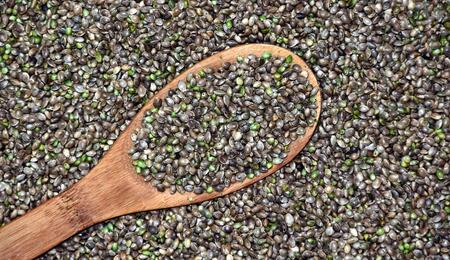
New federal rules on cannabis seeds, included in the latest U.S. government spending bill, are raising concerns among American cultivators. While hemp seeds have long been considered legal due to their minimal THC content, the latest rule proposal shifts the focus from the seed itself to the potential THC levels a mature plant might produce. For growers and seed suppliers, this change could shake up the industry in a big way, threatening a loss of variety along the way.
For the first time in years, cannabis seed sales in the U.S. are coming under stricter regulation. A last-minute addition to the spending bill that resolved the recent government shutdown may limit which seeds can legally be sold in the future, leaving many growers and suppliers scrambling. Industry experts warn that these rules could dramatically disrupt the market, threatening the variety and availability of seeds that cultivators have relied on since the 2018 Farm Bill.
What the Cannabis Seed Restrictions Mean
Until now, hemp seeds were legally sold under the 2018 Farm Bill, as long as the resulting plants stayed under 0.3% THC. The seeds themselves were low-risk agricultural products, accessible to farmers, hobbyists, and medical users alike.
Under the new legal formulation, which explicitly addresses seeds, the legality of a seed will be determined by the potential THC content of the plant it could produce. In practice, this means many seeds currently available on the market could become illegal once the new hemp definition takes effect, roughly one year after the law’s enactment—around November 2026.
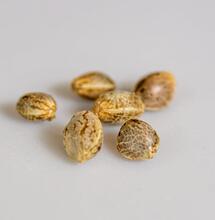
Industry insiders have quickly pointed out the big problem: you can’t know the exact THC level of a plant just by looking at its seed. “All [seeds] look the same until you wait a minimum of three months to see what they really are,” Sergio Martínez, Founder of Blimburn Seeds Bank, told The Guardian. “There is a misunderstanding about strains, even hemp plants registered in Europe as less than 0.3% THC if you are a good grower, you could get these numbers up.”
How Growers Are Affected
Cannabis cultivators are worried about what this might mean for genetic diversity. The free seed market has allowed breeders to create a wide range of strains, including specialized medical varieties. Limiting seed availability could restrict growers to just a few compliant options, stifling innovation and variety.
Smaller businesses that focus on niche strains might feel the pinch the most. Without access to diverse genetics, these growers may struggle to meet customer demand or maintain the quality of their plants. Some industry voices warn that only large companies with legal and financial resources may be able to adapt smoothly, leaving smaller operators at a disadvantage.
What It Means for Medical Patients and Hobbyists
Medical cannabis patients could be affected too. Many rely on specific strains to manage conditions like chronic pain, anxiety, or epilepsy. If growers can’t access the seeds needed to produce these strains, patient options could shrink.
Hobbyist growers could also feel the impact. People who cultivate hemp or low-THC cannabis for personal use may find their choices limited, potentially pushing some specialized genetics underground. Without legal access, a black market for seeds might grow—ironically creating the kind of unregulated environment the restrictions aim to prevent.
The Big Year-End Shift in Cannabis Regulation
The new rule proposal on seeds serves as yet another reminder of the delicate balance between federal law and state-legal cannabis markets. For growers, seed suppliers, and cannabis enthusiasts, the solution may lie in community resilience. While any ban or restriction can feel like a curveball, the cannabis community has long been resourceful—sharing knowledge, adjusting cultivation practices, and finding ways to adapt despite federal limitations.
Nevertheless, right now, the challenges for legal cannabis extend far beyond seeds. Over the past few months, the entire regulatory landscape has seemed to shift backward. Federal lawmakers are tightening rules not just on hemp seeds, but across the broader hemp market. Heading into 2026, the industry could face a dramatic shake-up that affects popular products like Delta-8 and Delta-10 vapes, THC-O oils, and THCA edibles, to name just a few. It is unclear whether these product categories can survive under stricter enforcement.
Also adding to the uncertainty is a new Department of Justice directive that empowers federal authorities to actively prosecute individuals possessing even small amounts of cannabis on federal property—national parks, forests, government buildings, military bases, and other federally managed sites. For many in the industry and community, these combined moves signal a year of heightened legal risk and a need for careful navigation.
Read more on Soft Secrets:
S
Stephen Andrews