Bosnia Legalizes Medicinal Cannabis
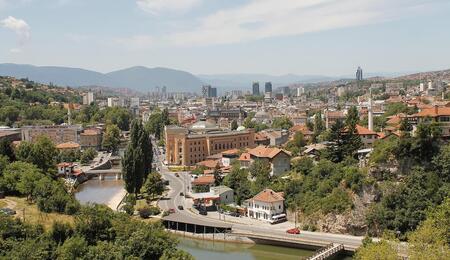
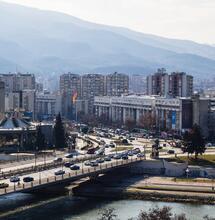
Picture showing Sarajevo, the capital of BiH, the latest Balkan country to regulate cannabis for medical use.
On December 29, 2025, the Council of Ministers of Bosnia and Herzegovina (BiH) officially approved a move to legalize cannabis for medical purposes. The decision reclassifies cannabis, along with its resins, extracts, and tinctures, from the category of strictly prohibited substances to a “strictly monitoring” table.
This policy change, which officially took effect on January 1, 2026, marks the end of a ten-year administrative struggle. It aims to provide standardized, safe cannabis access for patients while curbing the illicit market in Bosnia and Herzegovina.
A Strictly Pharmaceutical Framework
Unlike more liberal models seen in parts of Western Europe, the Bosnian regulation is strictly medical and pharmaceutical. Under the new rules:
- Medical Prescription: Access is granted only to patients with a valid prescription from an authorized physician.
- Pharmaceutical Products: Cannabis will be dispensed exclusively as authorized pharmaceutical products (oils, tinctures, or magistral preparations).
- Strict Oversight: The Agency for Medicinal Products and Medical Devices of BiH will supervise all production, distribution, and storage.
The move follows the 2020 recommendation by the World Health Organization (WHO) and the subsequent UN reclassification of cannabis, which acknowledged its therapeutic potential.
Medical Cannabis in the Balkans: A Regional Overview
While the news from Sarajevo is a milestone for BiH, it brings the country in line with several of its neighbors who have established medical frameworks over the last decade.
- Croatia (Legalized in 2015): One of the first in the region, though the market has faced bureaucratic stagnation and high patient costs.
- North Macedonia (Legalized in 2016): A regional pioneer in commercial cultivation for export. Patients can access various cannabis-based medications at local pharmacies, such as CBD oils, balms, and topicals.
- Albania (Legalized in 2023): Passed legislation allowing for the cultivation and processing of cannabis for medical and industrial purposes.
- Slovenia (Legalized in 2025): Allows the use of cannabis-derived medicines and THC preparations. Patients can obtain medical prescriptions after an in-person consultation with a doctor.
The European Landscape in 2026
Across the wider European continent, the trend toward regulation continues to accelerate. As of early 2026, over 21 EU member states have active medical cannabis programs.
- Germany: Remains the largest medical market in Europe. Following its 2024 “CanG” reform, it has removed cannabis from the Narcotics Act, significantly simplifying the prescription process for doctors.
- Czech Republic: As of January 1, 2026, the country has further modernized its laws, validating limited home cultivation and possession while maintaining a robust medical pharmacy system.
- UK & Poland: Both continue to see rapid growth in patient numbers, primarily through private specialized clinics.
- Spain & France: Both countries are moving toward formalized permanent frameworks following successful large-scale medical pilot programs.
More from Soft Secrets:
- Czechia Legalizes Psilocybin for Medicinal Use
- Dutch Customs Seize 3.2 Tonnes of THC Honey and Sweets Shipped from USA
- 10 Strictest Cannabis Laws: Travel Warning & 2025 Penalties Update
Disclaimer: This article is for informational purposes and does not constitute medical or legal advice. Always consult with a healthcare professional regarding medical treatments and stay informed about local regulations.
S
Stephen Andrews