The Post-Super Trend Era in Commercial Cannabis
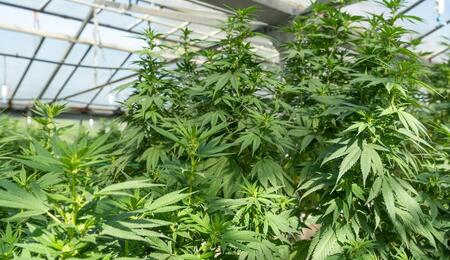
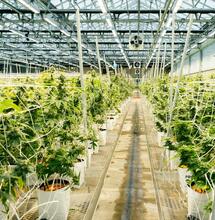
Automated climate controls and precision fertigation systems enable modern facilities to lower cost per gram without sacrificing product quality.
During the early days of legal cannabis, a lot of effort went into rapid growth, speculative capital, and aggressive market land grabs. Investors and operators prioritized sheer scale, chasing top-line revenue and production capacity over sustainable margins. This initial wave produced massive market hype cycles, or what industry analysts refer to as “Super Trends.” The focus therefore went to maximum THC percentages, mega-facilities, and rapid corporate consolidation.
As legal markets stabilize across mature jurisdictions, the cannabis economy is undergoing a significant realignment. The industry has entered the Post-Super Trend era, characterized by commercial realism, disciplined capital deployment, and a focus on long-term unit economics.
Moving Beyond Tonnage and Scale
In the opening years of adult-use cannabis legalization, success was frequently measured in square feet of canopy or total metric tons harvested. Massive greenhouse installations were funded under the assumption that scale alone would lower cost per gram and capture dominant market share.
However, oversupply across major cannabis markets has drastically compressed wholesale prices. Massive cultivators have faced high operational overhead, resulting in declining crop quality at scale and significant price deflation. In response, commercial strategies have pivoted away from pure volume toward margin optimization and facility efficiency.
To navigate margin compression, modern facilities emphasize:
- High-yield genetics tailored for automated environmental control
- Precision resource management using automated fertigation and targeted LED spectral tuning
- Flexible production scaling to avoid costly inventory write-downs
- Strategic contract growing over capital-intensive real estate expansion
The Refinement of Cannabis Product Portfolios
Consumer behavior in mature cannabis markets has also evolved past the initial novelty phase. Early commercial success relied heavily on high-potency flower and high-dose edible products. Market saturation and consumer education have created a growing demand for functional, category-specific pot products with predictable effects.
Brands navigating the current market cycle are adjusting product lines to align with refined consumer demand:
- Full-spectrum minor cannabinoid blends incorporating CBG, CBN, and CBC for targeted functional outcomes
- Low-dose, fast-onset nano-emulsions engineered for social consumption and alcohol replacement
- Premium solventless extracts that command higher retail margins compared to hydrocarbon-derived concentrates
- Terpene-forward flower formulations marketed on aroma, flavor, and strain lineage rather than simple THC potency percentages
Operational Discipline and Financial Sustainability
The cannabis industry’s transition into a mature phase has required operators to replace speculative valuation models with traditional business fundamentals. Debt-funded expansion has given way to disciplined acquisitions focused on localized efficiency and supply chain control.
Maintaining margins in the current market comes down to strict cash flow management, realistic wholesale pricing, and direct customer engagement. As the Post-Super Trend landscape takes shape, long-term survival hinges on operational discipline among cannabis operators as well as brand strength over venture-backed expansion.
Read more from Soft Secrets:
Disclaimer: This article is intended solely for informational and/or educational purposes within the commercial cannabis industry and does not constitute financial, investment, or legal advice.
S
Stephen Andrews