Saxony Reports 340kg Harvested Across 29 Approved Cannabis Clubs

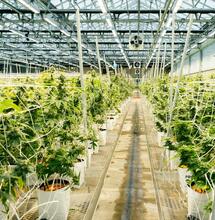
Under German law, licensed cannabis clubs are permitted to distribute up to seven seeds or five cuttings per month to adult members for private home cultivation. Photo by Alexandra Zelena on Unsplash
More than two years after Germany passed the Cannabis Consumption Act (Consumcannabisgesetz, or CanG), regional implementation data highlights both steady progress and notable operational friction in Saxony.
According to data released by Saxony’s Regional Authority on July 25, 2026, the state has officially approved 29 non-commercial cultivation associations (Anbauvereinigungen). However, operational bottlenecks, geographic imbalances, and strict statutory caps remain central to how collective cannabis cultivation is unfolding across the eastern parts of Germany.
From Grams to Kilograms: Saxony’s Harvest in Perspective
During the initial rollout in 2024, only one cannabis association managed to navigate the complex licensing process and start growing cannabis in Saxony. Remarkably, the entire state’s total harvest for that first year came out to just 680 grams.
Last year, however, the state’s network expanded to 29 approved non-commercial cultivation associations, with 21 actively growing cannabis. Dividing the statewide yield of 340 kilograms among those 21 operational clubs yields an average harvest of roughly 16 kilograms per association annually.
It is a modest output that underlines the actual operational scale of these non-profit cooperatives under current regulation.
Urban Concentration vs. Rural Deserts
A distinct urban-rural divide has emerged across Saxony’s administrative regions:
- Independent Cities Lead: 18 of the 29 approved associations are concentrated in independent cities. Leipzig alone accounts for 8 approved clubs, positioning it as the state’s main hub for collective cannabis cultivation.
- Rural Disparities: Four entire rural districts, including Bautzen, Leipzig district, Mittelsachsen, and Nordsachsen, currently have zero approved cannabis clubs.
On a national per-capita level, Saxony sits in the middle of the pack with approximately 7 cultivation associations per million residents. By comparison, Lower Saxony leads among major states with roughly 12 per million, and Hamburg records around 9, while Hesse lags behind at approximately 3 per million.
Statutory Limits and Output Constraints
Under Section 19(3) of the CanG, distribution is strictly regulated based on member age and volume:
- Adults (21+): Allowed up to 25 grams per day and a maximum of 50 grams per calendar month.
- Young Adults (18–20): Capped at 30 grams per month, with a mandatory THC concentration limit of 10 percent.
Section 16(2) caps club membership at 500 individuals. If a single association operated at full membership capacity and every member claimed their maximum monthly allowance, that single club could legally dispense up to 300 kilograms of cannabis per year.
Because Saxony’s entire statewide harvest in 2025 (340 kg) equals what a single fully subscribed club is legally permitted to supply, current volumes remain far below the theoretical limits set by German federal law.
Legal Gray Areas and Operational Friction
As clubs transition to high-tech indoor facilities featuring automated climate controls, centralized irrigation, and digital compliance tracking, new legal questions are surfacing.
While federal regulations require members to actively participate in cultivation, German courts have yet to clarify where the line falls between permissible technological automation and an impermissible, de facto commercial enterprise.
On top of these operational constraints, starting a club in Saxony presents steep administrative hurdles, with application fees ranging from €750 to €2,750 ($870 to $3,190 USD) and approval decisions taking up to three months after documentation is submitted.
Distribution remains tightly restricted, with mail order and home delivery being strictly prohibited, forcing members to collect their allotments in person at registered club premises.
As regional authorities continue to refine regulatory enforcement, Saxony’s early experience demonstrates that establishing a fully compliant, non-commercial cannabis cultivation ecosystem requires navigating considerable legal and logistical hurdles.
Read more from Soft Secrets:
5 Years of Legal Cannabis in Alabama, Just One Dispensary to Show for It
Fire and Heat Risk Management: How to Protect Your Cannabis Business
Disclaimer: The information provided in this article is intended solely for educational, journalistic, and informational purposes. It does not constitute legal advice or encourage the illegal cultivation, possession, or distribution of controlled substances. Local laws vary widely, therefore always consult official government regulations in your jurisdiction.
S
Stephen Andrews