Can Cannabis Grow Sites Find a New Life as Data Centers?
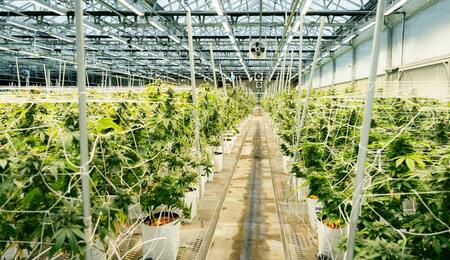
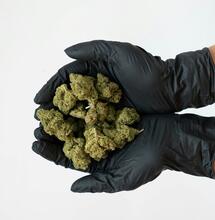
Industrial real estate trends highlight an emerging overlap between heavy agricultural infrastructure and high-density computing as developers repurpose megawatt-scale power allocations. Photo by Evan Strock on Unsplash
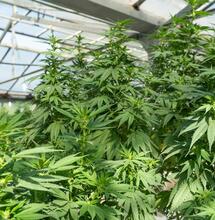
As demand for artificial intelligence infrastructure puts increasing pressure on power grids, data center developers are looking at former commercial cannabis cultivation sites as potential development options. At the same time, market saturation, falling wholesale prices, and competition from hemp-derived cannabinoids are pushing some cannabis operators to downsize or close indoor facilities.
For developers, these properties can offer existing electrical and environmental infrastructure that may shorten the time needed to bring new data facilities online.
Why Grow Facilities Can Work for Data Centers
Indoor cannabis facilities and smaller data centers have several important infrastructure requirements in common. Commercial grows can require substantial electrical capacity for lighting, automation, and climate control, while data centers face lengthy delays when connecting new projects to the power grid. Acquiring a site with existing power allocations and heavy-duty transformers can therefore help accelerate development timelines.
The similarities also extend to climate control. Cannabis facilities typically use industrial HVAC systems to maintain temperature and humidity, while data centers require continuous cooling for server racks. Existing ductwork and ventilation systems can provide a starting point for retrofitting a facility.
Some cultivation sites also have chilled-water loops or liquid dehumidification systems. These systems can potentially be adapted for the liquid cooling technologies used to manage heat from high-density computing and AI processing.
Cannabis Market Pressures Create Opportunities
The interest from technology companies comes as parts of the commercial cannabis sector continue to face economic pressure. Following rapid expansion after legalization, several state markets have experienced oversupply, contributing to significant declines in wholesale prices.
Competition from hemp-derived intoxicating cannabinoids has added another challenge for state-licensed operators. High operating costs, heavy tax burdens, and limited access to traditional capital have also pushed some cultivation companies to reduce their footprint.
For struggling operators, selling or leasing cultivation properties to data center developers can provide an exit from the cannabis business or create a source of real estate income.
Where Conversions Make the Most Sense
The economics of converting a cannabis facility into a data center vary by region, with electricity costs, land prices, and local regulations all playing a role.
- Texas, Virginia, and Michigan: These states have seen increased conversion activity. Virginia already has established data center infrastructure, Texas offers competitive energy prices and streamlined permitting, while Michigan has a significant supply of cultivation properties and viable industrial power rates.
- The Northeast Region: In states like New York, New Jersey, and Massachusetts, conversions are rarely cost-effective. High commercial electricity tariffs, elevated real estate costs, and strict local zoning rules mean the long-term operational costs often outweigh the benefits of retrofitting an existing building.
For data center developers looking to expand capacity, underused cannabis cultivation facilities offer one potential source of existing industrial infrastructure. But repurposing these sites does not remove the broader questions surrounding the rapid expansion of data centers, including their energy and water demands, environmental impact, and pressure on local infrastructure.
As demand for computing power continues to grow, some properties built for cannabis may find a second life supporting the data center industry, but whether that second life benefits the communities around them is a different question.
Read more from Soft Secrets:
Disclaimer: Content published here is strictly for journalistic and/or educational purposes and should not be taken as legal or professional advice.
S
Stephen Andrews