Fire and Heat Risk Management: Protecting Your Cannabis Business
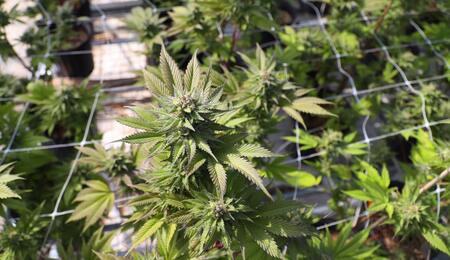
The legal U.S. cannabis industry now generates tens of billions of dollars in annual sales, making operational risk management a growing priority for cultivators, manufacturers, and retailers alike.
Every commercial cannabis facility faces operational risks, but few are as devastating as fire. A single electrical fault, overheating HVAC system, or processing accident can halt production, destroy inventory, damage expensive equipment, and jeopardize licenses. Add increasingly intense summer heatwaves and wildfire seasons across much of the United States, and fire prevention has become more than a maintenance issue.
Whether operating an indoor cultivation facility, greenhouse, processing lab, or manufacturing site, cannabis businesses benefit from treating fire prevention as part of everyday risk management rather than simply meeting the minimum building code.
Why Fire Risks Are Increasing
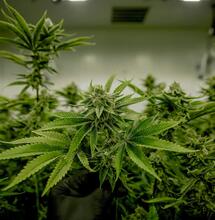
Extreme heat is placing additional stress on electrical infrastructure across many cannabis-producing states. Indoor cultivation facilities already consume significant amounts of electricity through lighting, climate control, dehumidification, and irrigation systems. During prolonged heatwaves, HVAC equipment often runs continuously while utility grids experience higher overall demand.
These conditions can increase the likelihood of overheating equipment, overloaded circuits, and unexpected mechanical failures if systems are poorly maintained or improperly designed.
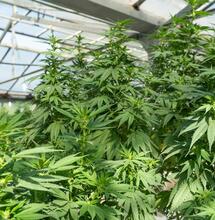
Outdoor operations face different challenges. Wildfire smoke, airborne ash, and high temperatures can affect greenhouse ventilation, contaminate facilities, and occasionally force temporary shutdowns, particularly in western states.
During California’s January 2025 wildfires, several licensed cannabis businesses reported losses from smoke contamination and prolonged power outages, with some harvests becoming unsellable despite facilities escaping direct fire damage. The episode underscored that wildfire risk extends well beyond the flames themselves.
While every operation has unique risks, most fire incidents originate from preventable equipment or electrical failures rather than the plants themselves.
Electrical Safety As the First Line of Defense
Electrical systems deserve regular attention because they power nearly every critical function inside a cultivation facility.
Professional installation by licensed electricians familiar with commercial agricultural or industrial environments can significantly reduce fire hazards. Equipment should be appropriately rated for continuous operation and installed according to local electrical codes.
Routine inspections can identify loose connections, overloaded panels, damaged wiring, or overheating components before they become dangerous. Many larger facilities also use thermal imaging inspections to detect “hot spots” inside electrical panels that are invisible during normal visual checks.
Simple preventive maintenance, including cleaning dust from electrical equipment, replacing damaged cables, and avoiding temporary wiring solutions, can substantially reduce operational risk.
Heat Management Extends Equipment Life
Keeping facilities cool isn’t only about maintaining ideal growing conditions.
Lighting systems, HVAC units, pumps, dehumidifiers, and electrical panels all generate heat during normal operation. When ambient temperatures climb, equipment must work harder, increasing wear and raising the possibility of failure.
Preventive maintenance schedules become particularly important before summer. Ideally, operators should verify that:
- HVAC systems are serviced before peak temperatures arrive.
- Air filters remain clean to maintain airflow.
- Ventilation pathways stay unobstructed.
- Backup cooling capacity is available for critical growing areas.
- Temperature monitoring systems provide alerts before conditions become dangerous.
Modern environmental monitoring platforms can automatically notify staff when temperatures exceed safe operating ranges, allowing problems to be addressed before equipment is damaged.
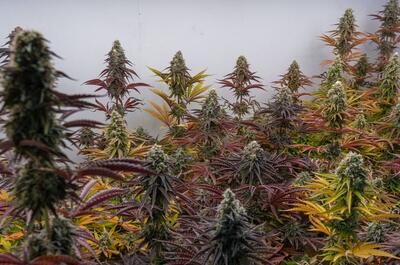
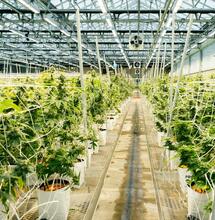
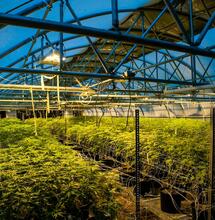
Modern cannabis cultivation facilities combine sophisticated climate control, lighting, and automation systems, making routine maintenance essential to protecting significant business investments.
Processing Areas Require Additional Precautions
Cannabis extraction and manufacturing facilities introduce hazards beyond cultivation.
Operations involving volatile solvents require specialized ventilation, explosion-resistant equipment where applicable, and carefully designed safety systems. Facilities should follow applicable fire and building codes while ensuring employees receive regular safety training for handling extraction equipment and emergency procedures.
Even solventless manufacturing operations can generate heat through presses, ovens, drying equipment, and electrical machinery, making routine maintenance equally important.
Clear operating procedures, documented inspections, and emergency shutdown protocols can help reduce operational risks regardless of the extraction method.
Preparing for Wildfire Season
Wildfire preparedness has become an annual priority for many businesses across the western United States.
Smoke can reduce air quality inside greenhouses and cultivation facilities while introducing fine particulate matter that may settle on equipment or crops. High-efficiency filtration systems can help reduce airborne contaminants during periods of poor outdoor air quality, although facilities must also balance filtration with adequate ventilation and climate control.
Businesses located in wildfire-prone regions often benefit from reviewing backup power plans, protecting critical records through cloud storage, and identifying alternate transportation routes in case local evacuations or road closures disrupt operations.
Having a written emergency response plan before wildfire season begins allows employees to respond more efficiently if conditions deteriorate.
Insurance Companies Reward Preparation
Commercial cannabis insurance has expanded considerably in recent years, but insurers continue to evaluate operational risk carefully.
Facilities with documented maintenance programs, professionally installed electrical systems, fire suppression equipment, employee safety training, and written emergency procedures often present a lower risk profile than businesses lacking formal safety practices.
Good documentation also becomes invaluable after an incident. Maintenance records, inspection reports, employee training logs, and equipment certifications can help demonstrate that reasonable preventive measures were in place before a loss occurred.
Resilience Is Becoming a Competitive Advantage
As global climate conditions become more challenging and commercial cannabis facilities continue to grow in size and complexity, resilience is increasingly becoming a competitive advantage.
Operators who invest in preventive maintenance, fire safety, staff training, and emergency planning are better positioned to protect their harvests, minimize downtime, and recover quickly from unexpected events. It isn’t only about meeting regulations; it’s also about ensuring that a temporary setback never becomes a permanent business loss.
That said, there is a broader question worth asking. If reducing our environmental footprint is the ultimate goal, perhaps the conversation shouldn’t focus solely on making cannabis businesses bigger and more resilient. A future where adults everywhere are free to grow their own cannabis at home could, for some, represent a more sustainable—and perhaps more utopian—vision than an industry built around ever-larger commercial operations.
Read more from Soft Secrets:
Disclaimer: This article is provided for informational purposes only and should not be considered legal, safety, engineering, or insurance advice. Always consult qualified professionals and applicable local, state, and federal regulations for your facility.
S
Stephen Andrews