Is Michigan’s Cannabis Boom Turning Into a Bust?
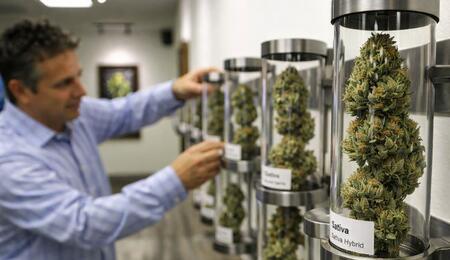
As Michigan’s cannabis market matures, retailers and producers face increasing pressure to balance quality, pricing, and survival in an increasingly competitive landscape.
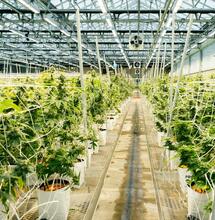
For years, Michigan was the “Great Lakes Gold Rush” of cannabis. It surged to become one of the largest regulated markets in the United States, based on annual sales data from Michigan’s Cannabis Regulatory Agency (CRA), trailing only California in total sales. But as we move through 2026, the data tells a new, sobering story: the gold rush has turned into an unpleasant industry shakeout.
For the first time since adult-use cannabis sales began in 2019, Michigan has seen a year-over-year decline in active licenses. While consumers are still buying large amounts of product, some of the businesses behind those products are fighting for survival.
The Paradox: Record Volume, Falling Revenue
State sales tracking data indicates that Michigan retailers sold significantly more cannabis flower in 2025 than in 2024, reflecting continued growth in consumer demand. However, total revenue slipped from roughly $3.29 billion to approximately $3.17 billion.
Price compression has pushed the average retail price for an ounce of recreational flower to historic lows—often hovering near $60 depending on region, product tier, and promotional pricing. While this is a win for the consumer’s wallet, it has rendered the business model for many small and medium-sized cultivators increasingly difficult.
Multiple Factors at Play
The biggest catalyst behind license attrition isn’t just competition—it’s mounting cost pressure across the supply chain, including taxation, compliance expenses, and falling wholesale prices.
The Burden: Michigan cannabis is subject to a 10% adult-use excise tax plus the standard 6% sales tax, alongside regulatory and operational costs borne throughout cultivation and distribution.
The Result: Combined financial pressures significantly reduce margins, particularly for growers selling into an oversupplied wholesale market.
Market Reaction: Periods of declining monthly sales and shrinking wholesale prices have intensified consolidation pressures as businesses struggle to maintain profitability in a price-sensitive environment.
Comparison: 2024 Maturity vs. 2026 Contraction
To understand the current “shakeout,” we must look at how key metrics have shifted over the last 24 months:
- Active Licenses:
~2,256 (2024 peak) → ~2,100 (2026)
Approximately 7% decline as weaker operators exit the market. - Average Price per Ounce:
~$95 → ~$58
Approximately 39% drop driven by oversupply and aggressive retail competition. - Total Annual Sales:
$3.29 billion → ~$2.7 billion projected
Growth stabilizing after rapid expansion years. - Effective Tax Environment:
~16% consumer-facing taxes remain in place, but operational costs and wholesale compression significantly increase real business pressure.
Is This Consolidation or Failure?
From a technical standpoint, what we are witnessing is market maturation. Early markets are often defined by rapid expansion and high margins. Michigan’s lack of a strict statewide license cap encouraged rapid cultivation growth, creating an oversupply that has now outpaced price stability.
Industry analysts and market observers increasingly describe the current decline in licenses as consolidation rather than collapse. High-efficiency MSOs (Multi-State Operators) are acquiring distressed assets in a growing number of transactions, while some smaller “craft” growers are exiting the regulated market or pivoting business models.
Read more from Soft Secrets:
Disclaimer: While cannabis is legal for adult use in Michigan under state law (MRTMA), it remains federally prohibited, though federal policy discussions and rescheduling efforts continue to evolve. Always consume responsibly and within state-mandated possession limits.
S
Stephen Andrews