Is Nevada’s Cannabis Lounge Experiment Struggling?
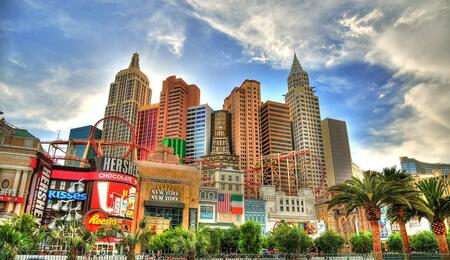
Nevada's cannabis lounges are expected to become a major tourism draw, but operators continue to face regulatory, financial, and market challenges as the industry searches for a sustainable path forward.
When Nevada lawmakers approved cannabis consumption lounges in 2021, the vision seemed straightforward. Las Vegas already attracted millions of visitors every year, recreational cannabis was legal, and tourists often had few legal places to consume it. Consumption lounges appeared poised to become the missing link between Nevada’s cannabis industry and its tourism economy.
Nearly five years after Nevada lawmakers authorized cannabis consumption lounges, the reality looks far more complicated.
Despite early hopes that The Silver State could become a global destination for cannabis hospitality, the state’s lounge sector has struggled to gain traction. Several operators have encountered financial and regulatory obstacles, consumer demand may have fallen short of expectations, and only one state-licensed cannabis lounge remains in operation today.
For an industry once viewed as the next major growth opportunity in Nevada cannabis, the results have been somewhat sobering.
A Promising Concept Meets Reality
The rationale behind cannabis lounges was simple. While adults can legally purchase cannabis in Nevada, consumption remains largely restricted to private residences. For tourists staying in hotels or visiting the Las Vegas Strip, that creates a significant challenge.
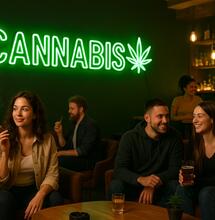
Consumption lounges were designed to solve this problem by offering legal, regulated spaces where adults could consume cannabis socially, much like patrons visit bars, cigar lounges, or tasting rooms.
Industry supporters envisioned an entirely new tourism category emerging around cannabis experiences, with lounges serving as attractions in their own right.
However, the rollout has been far slower than many anticipated.
From Dozens of Licenses to One Operating Lounge
Although Nevada awarded numerous conditional consumption lounge licenses, very few businesses have actually opened their doors.
The most notable setback came in April 2025, when Smoke and Mirrors, Nevada’s first state-regulated cannabis lounge, ceased operations after little more than a year in business. The closure left DAZED!, located inside Planet 13’s entertainment complex in Las Vegas, as the only active state-licensed cannabis lounge in Nevada.
Meanwhile, more than twenty conditionally approved lounge operators have yet to launch, citing challenges that range from financing difficulties to zoning restrictions and suitable location requirements.
The contrast between the original vision and current reality has become difficult to ignore.
As Nevada’s cannabis lounge experiment enters a critical phase, industry stakeholders are weighing whether regulatory reforms and new hospitality concepts could help the market reach its initially envisioned potential. Source: FOX5 Las Vegas, YouTube
Why Are Cannabis Lounges Struggling?
Industry observers point to several factors rather than a single cause.
Regulatory Restrictions
Nevada’s regulatory framework imposes numerous limitations on lounge operators. Cannabis lounges cannot serve alcohol, cannabis-infused food options remain restricted, and products purchased within the venue generally must be consumed on-site. Operators have argued that these rules limit revenue opportunities and make it harder to create a full hospitality experience.
For some businesses, compliance costs have also proven substantial.
Smoke and Mirrors management has specifically cited regulatory burdens, compliance expenses, and limitations on product offerings as major reasons why the business model was not sustainable in its current form.
Hospitality Economics
Another challenge is the economics of customer behavior.
Unlike traditional bars, where guests may purchase multiple drinks throughout an evening, cannabis consumers often make a single purchase and remain in the venue for an extended period. This can make generating sufficient revenue per customer more difficult.
Industry consultants increasingly argue that cannabis alone may not be enough to support a successful hospitality venue. Instead, they suggest lounges must function primarily as entertainment destinations where cannabis is only one component of the overall experience.
Financing and Startup Costs
Opening a cannabis lounge remains expensive.
Prospective operators must satisfy extensive regulatory requirements, secure compliant locations, and demonstrate significant financial resources before opening. Nevada regulators have acknowledged that financing remains one of the largest barriers preventing conditionally approved license holders from entering the market.
These challenges have become even more pronounced as the broader cannabis industry faces slowing growth and increased competition.
The Tourism Question
One of the biggest unanswered questions is whether tourist demand is strong enough to support a larger cannabis hospitality sector.
Visitors continue to seek legal places to consume cannabis while visiting Las Vegas. DAZED! has positioned itself as an entertainment-focused venue, offering infused mocktails, games, events, celebrity appearances, and immersive experiences that extend beyond simple cannabis consumption.
However, the broader market remains difficult to gauge. While visitors continue seeking legal consumption options, it remains unclear whether enough consumers are willing to pay a premium for the lounge experience itself rather than simply purchasing cannabis and consuming it elsewhere.
Yet industry experts increasingly believe that future lounges may need to resemble restaurants, entertainment venues, or nightlife destinations first—and cannabis lounges second.
Some examples in California and other markets have demonstrated that combining cannabis with food service, events, and broader hospitality offerings can create more sustainable business models. Nevada’s current framework provides fewer opportunities for that type of diversification.
Not a Failure, But a Critical Test Phase
Calling Nevada’s cannabis lounge experiment a failure would likely be premature.
The concept itself continues to attract interest from entrepreneurs, regulators, and consumers alike. The state’s tourism infrastructure still offers unique advantages that few markets can match.
However, the industry’s first several years have revealed that legalization alone does not guarantee commercial success.
The closure of Smoke and Mirrors, the slow pace of new openings, and ongoing concerns about profitability suggest that Nevada’s original vision may require significant adjustments if cannabis lounges are to become a meaningful part of the state’s hospitality economy.
The next few years will indeed determine whether Nevada becomes a model for cannabis hospitality, or a cautionary tale about the challenges of turning legalization into a sustainable tourism industry.
Read more from Soft Secrets:
S
Stephen Andrews