Native Tribes Pioneer Minnesota’s Cannabis Lounge Movement
Cannabis hospitality is taking shape in Minnesota as tribal enterprises expand beyond cultivation and retail into social consumption spaces.
Cannabis consumers in Minnesota now have a legal place to gather and consume. Here’s why the state’s first lounge places matter.
For years, one of the biggest contradictions of cannabis legalization has been hiding in plain sight. In many legal markets, adults can legally purchase cannabis, but finding a legal place to consume it is often another story.
Minnesota is beginning to change that.
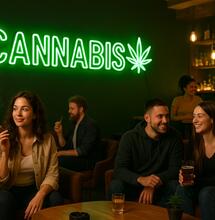
The state has entered a new phase of legalization as tribal nations began opening dedicated cannabis consumption lounges, creating spaces where adults can gather, learn about cannabis, and enjoy it in a safe and secure surrounding.
The first to open its doors was a lounge operated by the Fond du Lac Band of Lake Superior Chippewa. Located at Black Bear Casino Resort near Duluth, the venue welcomed its first guests on May 15, 2026, becoming Minnesota’s first operational tribal cannabis consumption lounge.
But the story does not end there.
A second tribal lounge is already on the horizon. White Earth Nation’s cannabis enterprise, Waabigwan Mashkiki, is set to open its own consumption venue in East Grand Forks, further expanding Minnesota’s emerging social cannabis scene.
Together, the two projects suggest that tribal nations are becoming some of the most innovative players in Minnesota’s evolving cannabis market.
Two Lounges, Two Different Visions
Although both businesses operate within the cannabis sector, their approaches to social consumption could hardly be more different.
Fond du Lac’s lounge is centered around craft cannabis and solventless concentrates. The venue features what operators describe as the country’s first “dab theater,” creating an educational and social environment focused on concentrate consumption and cannabis culture.
While Fond du Lac is betting on a premium, concentrate-driven experience, White Earth Nation is pursuing a more casual and accessible model. Opening inside a converted former Burger King in East Grand Forks, its lounge is expected to focus on low-dose gummies, cannabis beverages, and a relaxed gaming-lounge atmosphere designed to appeal to a broad range of guests.
Just as bars, cafés, breweries, and tasting rooms serve different audiences, this is a great example that cannabis lounges can develop their own distinct and unique identities as well.
Why Cannabis Lounges Matter
As more states embrace legalization, policymakers and entrepreneurs have increasingly turned their attention toward the question of where cannabis can be consumed.
Many consumers live in apartments, rental properties, hotels, or other accommodations where smoking and vaping are prohibited. Tourists often face similar challenges. Cannabis lounges offer a potential solution by providing designated environments where adults can legally consume products they purchase.
Supporters argue that such venues help normalize responsible cannabis use while reducing consumption in inappropriate public spaces. They also create opportunities for education, product discovery, and community-building that traditional dispensaries often struggle to provide.
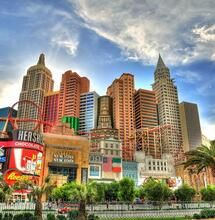
While cannabis lounges remain relatively uncommon compared to retail stores, they have gained traction in states such as California and Nevada, where social consumption businesses have become an increasingly visible part of the legal market.
Tribal Nations Lead the Way
The emergence of cannabis lounges is only the latest chapter in a broader story unfolding across Minnesota.
Long before the state’s adult-use market was fully operational, tribal nations were already positioning themselves as leaders in cannabis cultivation, retail, and product development. Leveraging tribal sovereignty and entrepreneurial investment, several tribes moved quickly to establish cannabis businesses while state regulators continued building the framework for broader market expansion.
Both the Fond du Lac Band and White Earth Nation have embraced that opportunity, helping shape the direction of Minnesota’s legal cannabis industry.
For White Earth Nation, that vision is reflected in the name of its cannabis enterprise itself.
The Meaning Behind “Flower Medicine”
The name Waabigwan Mashkiki translates from Ojibwe as “Flower Medicine,” a phrase that reflects the longstanding relationship between Anishinaabe communities and the healing properties of plants.
For many Indigenous peoples, plant medicines have held cultural, spiritual, and practical significance for generations. Therefore, the use of an Ojibwe name is more than branding; it serves as an expression of cultural identity and continuity within a rapidly evolving commercial industry.
That connection extends beyond language. Waabigwan Mashkiki is wholly owned by White Earth Nation, meaning revenue generated through its cannabis operations supports tribal priorities rather than outside shareholders. The enterprise represents a model of economic self-determination in which cannabis revenue can be reinvested into community programs, infrastructure, and future development.
A Glimpse of What Comes Next
The opening of Minnesota’s first cannabis lounges arrives during a period of rapid change for the state’s cannabis industry. New dispensaries continue to appear, tribal enterprises are expanding beyond reservation lands, and regulators are gradually building the framework for a mature adult-use market. At the same time, entrepreneurs and policymakers are beginning to ask an important question: what comes after retail sales?
Whether through Fond du Lac’s concentrate-focused “dab theater” or White Earth’s community-oriented gaming lounge, Minnesota’s first generation of cannabis consumption spaces is emerging from tribal innovation and entrepreneurship. Their success remains to be seen, but the possibilities are already becoming clear. Cannabis tourism, educational experiences, tasting-style events, and new forms of social consumption are all entering the conversation.
These experiments may help define what cannabis hospitality looks like not only in Minnesota, but across the Midwest. For consumers, that represents the next stage of legalization, where the focus not only falls on access to cannabis, but also on creating responsible, welcoming spaces where cannabis culture can thrive.
Read more from Soft Secrets:
S
Stephen Andrews